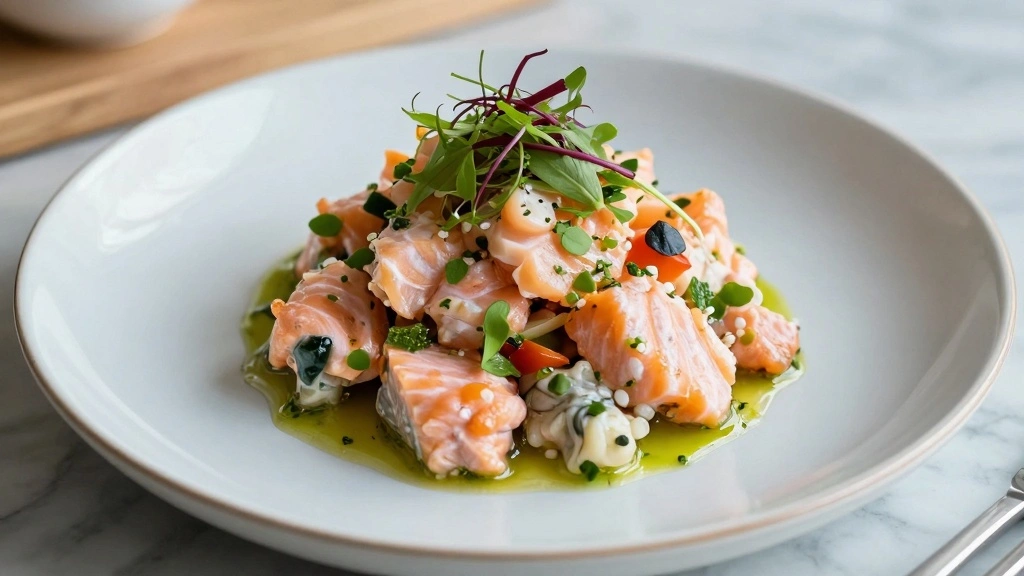
The fresh and vibrant flavors of salmon poke offer a delightful escape to the tropical islands of Hawaii.
This dish combines a beautiful harmony of savory, tangy, and umami notes, creating an irresistible meal that satisfies with each bite.
I first encountered this recipe during a summer trip to Maui, where the ocean’s bounty was celebrated in every meal.
Salmon poke is a dish that effortlessly combines simplicity with sophistication, making it perfect for both casual dining and special occasions.
Whether you’re a seasoned chef or a home cook, this recipe promises restaurant-quality results with minimal effort.
Dive into the world of poke and discover why it’s a favorite among seafood lovers worldwide.
The History and Cultural Significance
• Salmon Poke Recipe: traces its origins to Hawaii, where it was originally created by native Polynesians who marinated fish in sea salt, seaweed, and crushed kukui nuts.
• The dish evolved over decades as Japanese immigrants introduced soy sauce and sesame oil, eventually becoming the beloved version we know today.
• In Hawaiian culture, this dish traditionally appears at luaus and family gatherings, symbolizing hospitality and community.
• While many variations exist across different regions, the authentic version maintains a focus on fresh, high-quality fish that sets it apart from imitations.
Recommended Products

The 2900 Series Salmon Knife 300 mm allows you to handling and preparing fish. It has a wide blade and smooth edge design. In addition, it has a stable structure and the right support to cut even the most difficult parts. The knife is an ideal kitchen utensil for easily filleting sole. Guarantees high performance, resistance and durability

High carbon stainless steel prongs

Arcos Universal Salmon Knife with a high quality steel blade for the kitchen. With this knife you can cut salmon into slices of any diameter to enjoy its exquisite flavour. It has a blade with alveoli that helps you to make better cuts, avoiding food residue on the knife.


Recipe Overview
Recommended Products


Well-balanced acidity that's excellent to use in all kinds of cuisines
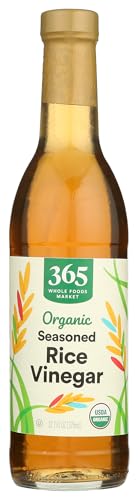
Organic seasoned rice vinegar
Nutritional Information (per serving)
Recommended Products

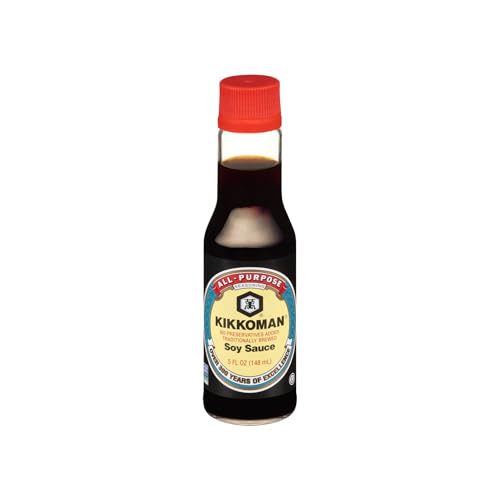
Brewed in the USA and made with non-GMO soybeans.

10 oz organic reduced sodium shoyu soy sauce

Unique savory-sweet flavor ideal for a variety of dishes.


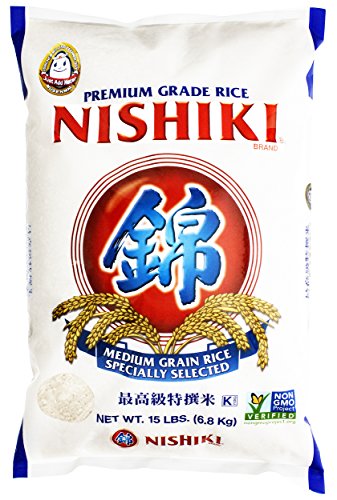
Essential Equipment Guide
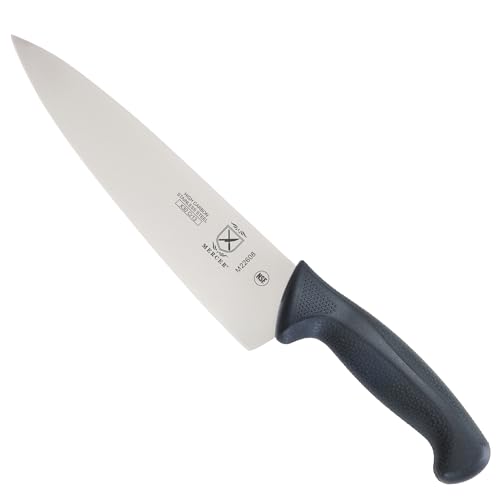
Sharp Knife: A sharp knife is essential for achieving clean, precise cuts of salmon, which enhances the dish’s texture and presentation.
Mixing Bowl: A large mixing bowl allows for easy tossing of ingredients, ensuring even distribution of flavors throughout the dish.
Cutting Board: A sturdy cutting board is necessary for safely and efficiently preparing ingredients, with a preference for one with a non-slip surface.
Recommended Products
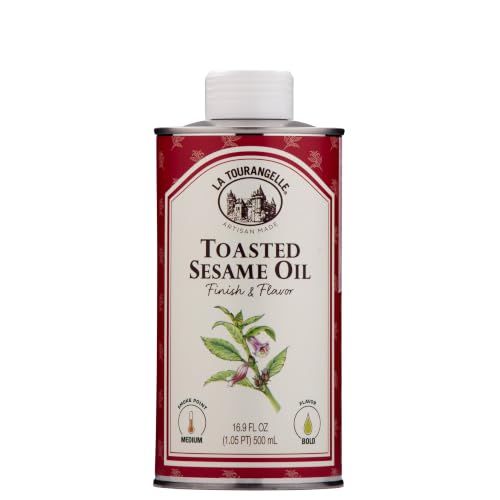
A Traditional Touch: Sesame oil has long been giving its characteristic flavor to traditional Asian food. Discover the complex and award winning flavor of our Toasted Sesame Oil for a distinct flavor in stir-fry, fried rice, noodles or marinades.

NO PRESERVATIVES ADDED: Toasted Sesame Oil is prepared from freshly toasted non-GMO sesame seeds that are crushed and bottled without any chemicals or preservatives.

A Traditional Touch: Sesame oil has long been giving its characteristic flavor to traditional Asian food. Discover the complex and award winning flavor of our Toasted Sesame Oil for a distinct flavor in stir-fry, fried rice, noodles or marinades


Ingredients
For the Base
|
| Amount | Ingredient | Notes |
|---|---|---|
| 2 cups | sushi rice | cooked and cooled, adds a mild and sticky texture |
For the Sauce
| Amount | Ingredient | Notes |
|---|---|---|
| 2 tablespoons | soy sauce | adds umami depth |
| 1 tablespoon | sesame oil | provides a nutty aroma |
| 1 teaspoon | honey | balances the savory elements with sweetness |
Vegetables
| Amount | Ingredient | Notes |
|---|---|---|
| 1 cup | edamame | shelled and steamed, adds protein and texture |
| 1 cup | cucumber | diced, offers a refreshing crunch |
Seasonings
| Amount | Ingredient | Notes |
|---|---|---|
| 1 teaspoon | sesame seeds | toasted, enhances the nutty flavor |
| 1 teaspoon | green onion | sliced, adds a mild onion note |
Fish
| Amount | Ingredient | Notes |
|---|---|---|
| 1 pound | salmon | sashimi-grade, cut into cubes, serves as the main protein |


Preparation Methods
Marinating: Marinating the salmon is crucial for infusing it with flavor, using a mixture of soy sauce, sesame oil, and honey. Allowing it to marinate for at least 10 minutes helps the flavors to penetrate deeply.
Rice Cooking: Cooking sushi rice requires rinsing until the water runs clear to remove excess starch, then cooking in a rice cooker for perfectly fluffy grains.
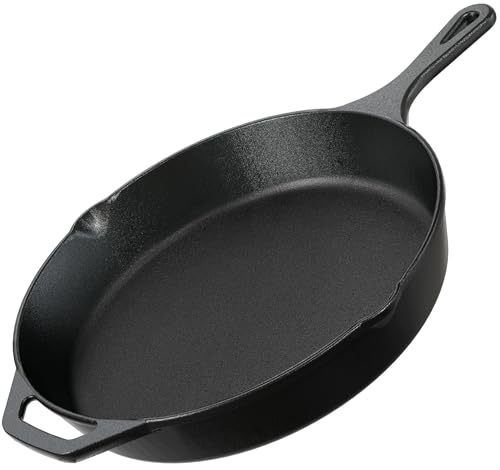
Toasting Seeds: Toasting sesame seeds in a dry skillet over medium heat releases their oils and enhances their flavor. Watch closely to prevent burning, stirring constantly until golden.
Recommended Products

The higher vinegar content of white rice vinegar makes it the best choice for sweet and/or tangy dishes, for salad dressings and for pickling vegetables.

TRUE TASTE OF JAPAN: Made from select California-grown rice, Marukan's rice vinegar is slowly brewed using traditional methods honed over three centuries for rich, unmatched flavor.


Step 1: Prepare the Rice
Rinse the sushi rice under cold water until the water runs clear.
Transfer the rice to a rice cooker with the appropriate water level and start cooking.
Once cooked, let the rice cool to room temperature.
Fluff the rice with a fork to separate the grains.
Recommended Products

Item Package Length: 9.144cm

A FULL TASTE WITH 50% LESS SODIUM: Organic Tamari Lite 50% Less Sodium Gluten Free Soy Sauce helps you and your family reduce salt intake while enjoying the full, enhanced flavor of homemade meals so you can experience all the mouthwatering ways that soysauce’s distinct taste is used for dipping, marinating, and glazing

Product Type:Grocery


Step 2: Cut the Salmon
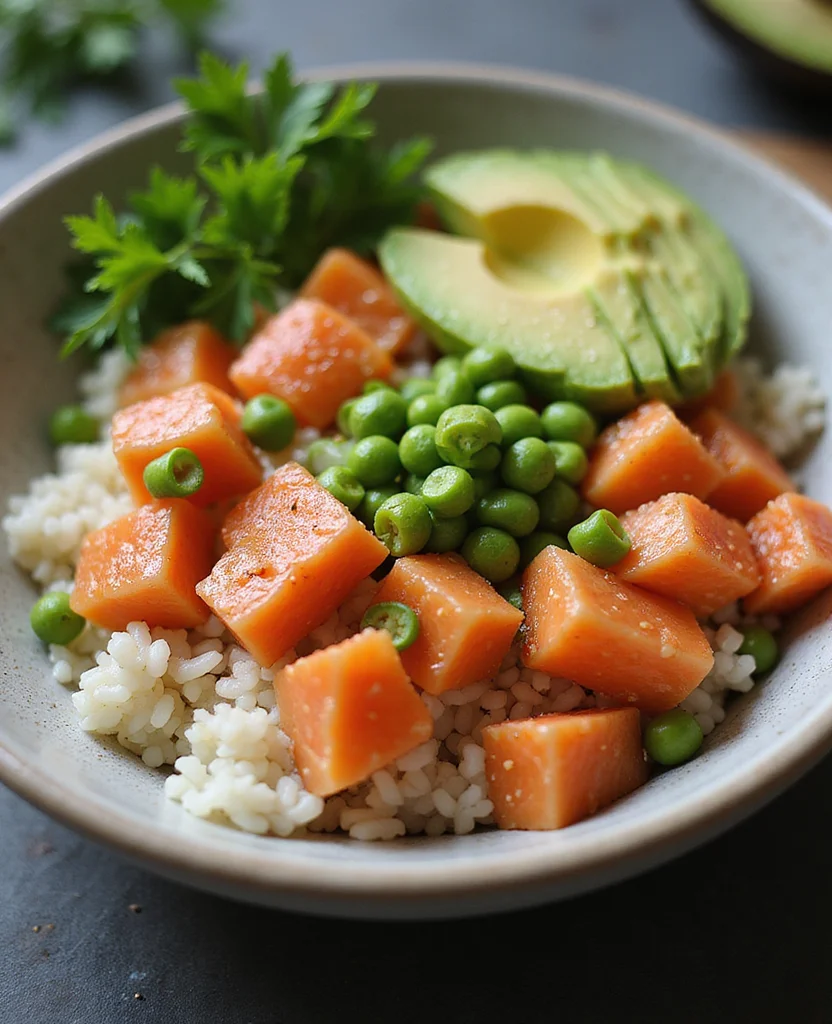
Place the salmon fillet on a clean cutting board.
Using a sharp knife, cut the salmon into 1-inch cubes.
Ensure each piece is uniform for even marinating.
Set the salmon aside in a bowl for marinating.
Recommended Products

Kikkoman Sesame Oil is made from 100% real toasted sesame seeds that adds a layer of delicate sweet notes & robust nutty intensity to dressings, marinades, dips, breads, pastries, and more.
![Premium Korean Sesame Oil [5.4 Fl Oz] -100% Pure Toasted Sesame Seed Oil | Korean-Style Rich & Nutty Flavor | Asian Cooking Oil for Stir Fry, Noodles, Dressing & Drizzle - O’food](https://m.media-amazon.com/images/I/316Nt8jTOaL._SL500_.jpg)
PREMIUM SESAME OIL – Crafted from 100% pure whole sesame seeds, carefully roasted for a deep, rich, nutty aroma. Perfect for elevating everyday cooking with Korean and Asian flavors. A pantry staple that enhances savory, bold taste in any recipe.

Made from whole roasted tan sesame seed, unrefined and expeller pressed.


Step 3: Prepare the Sauce
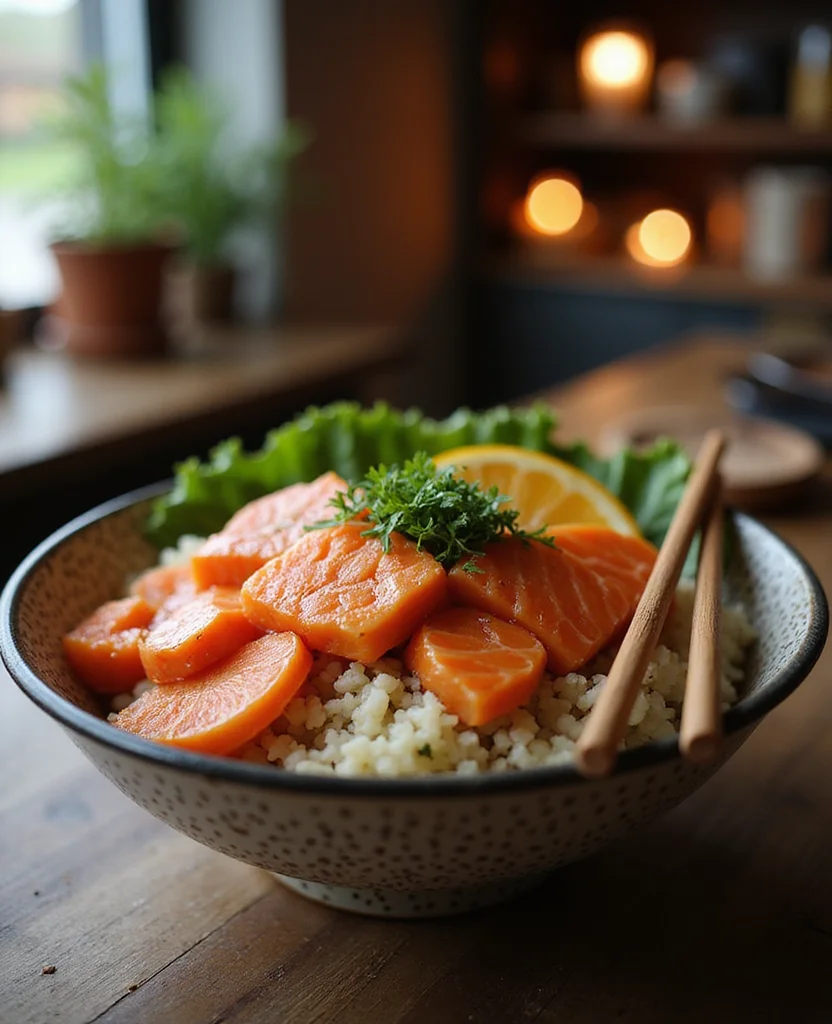
In a small bowl, combine soy sauce, sesame oil, and honey.
Stir the mixture until the honey fully dissolves.
Taste and adjust the balance of flavors if necessary.
Set aside for marinating the salmon.
Step 4: Marinate the Salmon
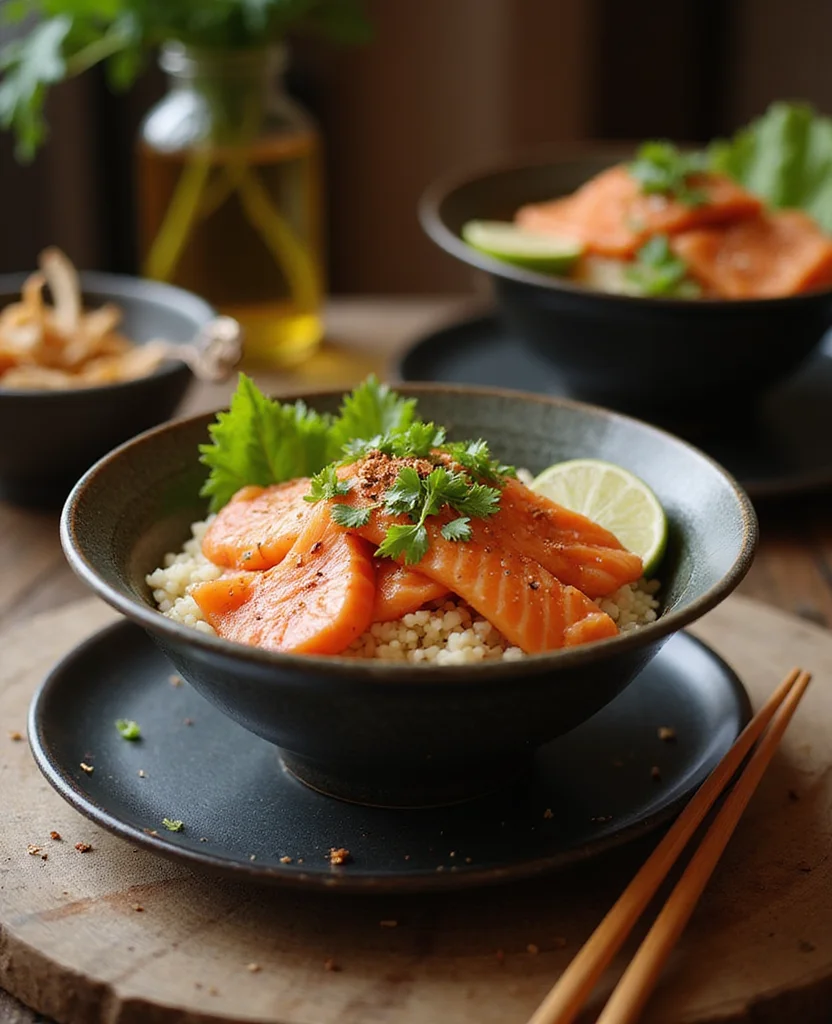
Pour the prepared sauce over the salmon cubes in the bowl.
Gently toss the salmon to coat evenly with the marinade.
Cover the bowl with plastic wrap and refrigerate for 10 minutes.
Ensure all pieces are submerged in the marinade.
Recommended Products

Genuine Brewed Rice Vinegar: With depth and richness, this vinegar heightens the flavor of any recipe. Its delicate acidity is versatile and excellent as an addition to Japanese, Chinese, European and American dishes

Organic rice vinegar

Vinegar for sushi rice. Easy to use with powder type. Use by mixing with rice. It's a very delicious vinegar.
Step 5: Prepare the Vegetables
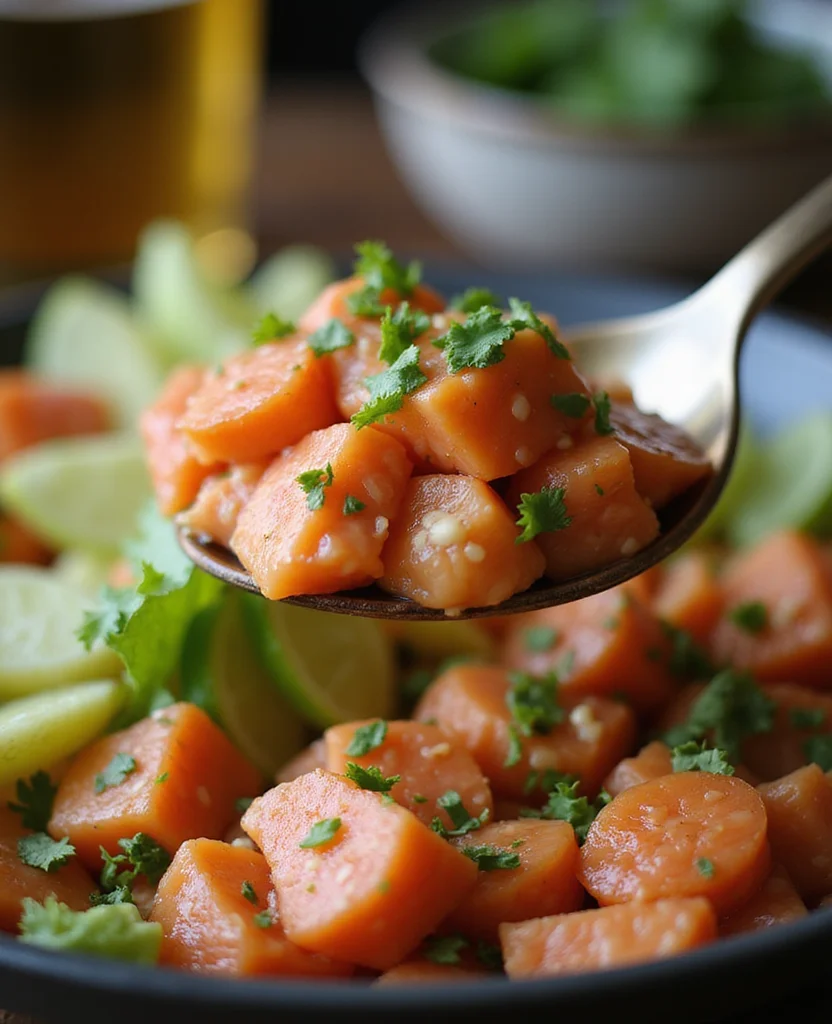
Dice the cucumber into small, bite-sized pieces.
Steam the edamame until tender and vibrant green.
Shell the edamame and set aside with the cucumber.
Ensure all vegetables are prepared before assembling the poke.
Step 6: Toast the Sesame Seeds
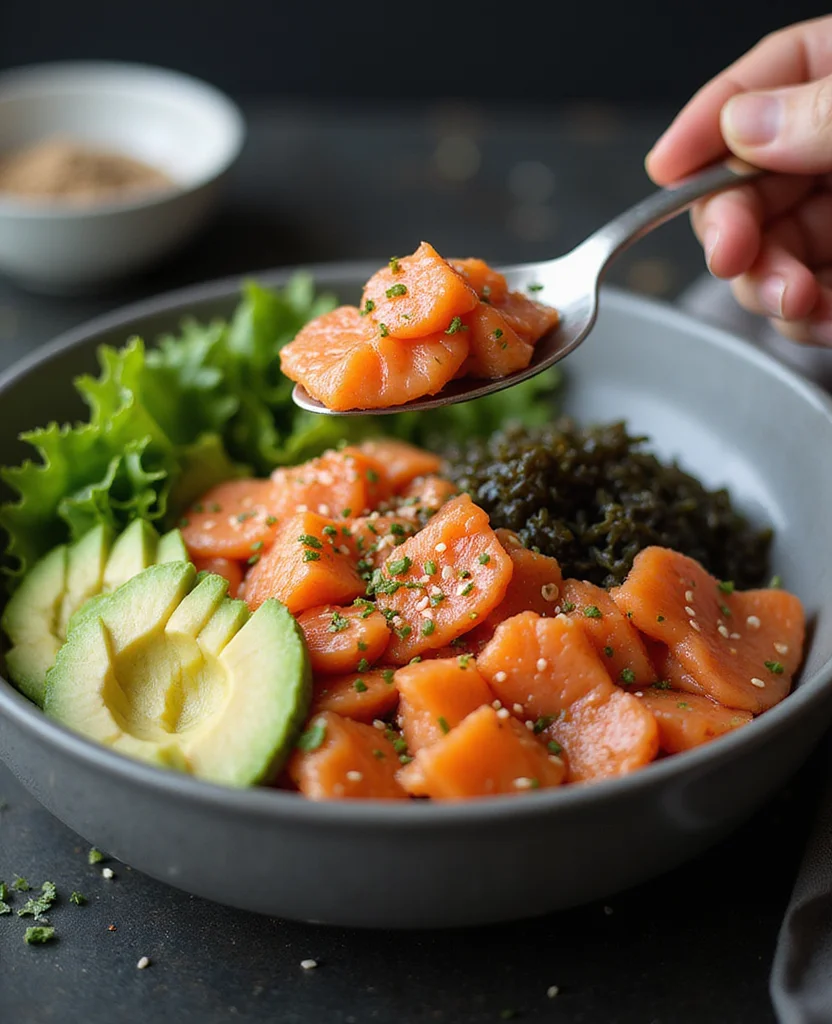
Place a small skillet over medium heat.
Add sesame seeds and stir constantly to prevent burning.
Toast until the seeds are golden brown and fragrant.
Remove from heat and let cool before using.


Step 7: Assemble the Poke Bowl
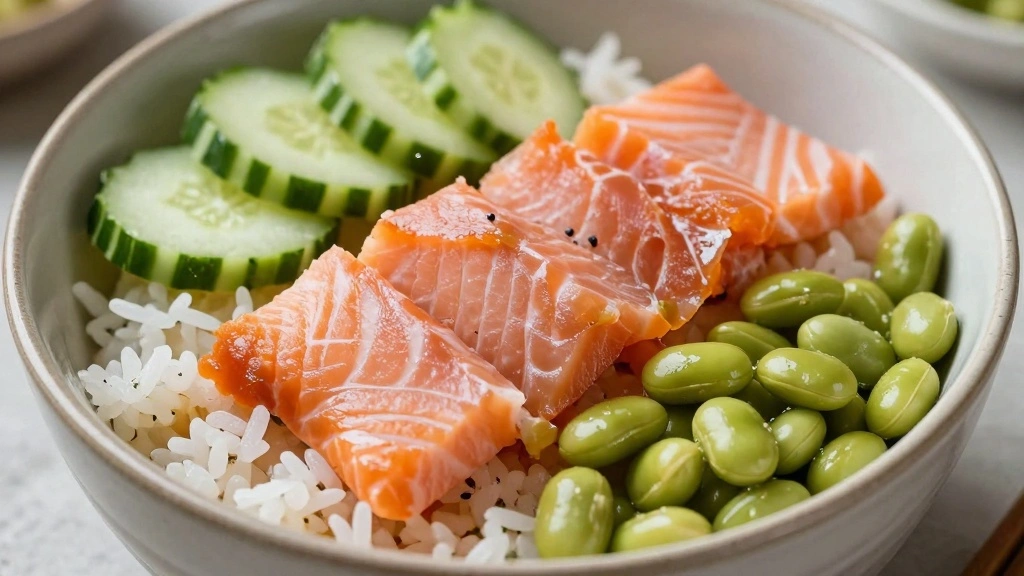
Divide the cooled sushi rice among serving bowls.
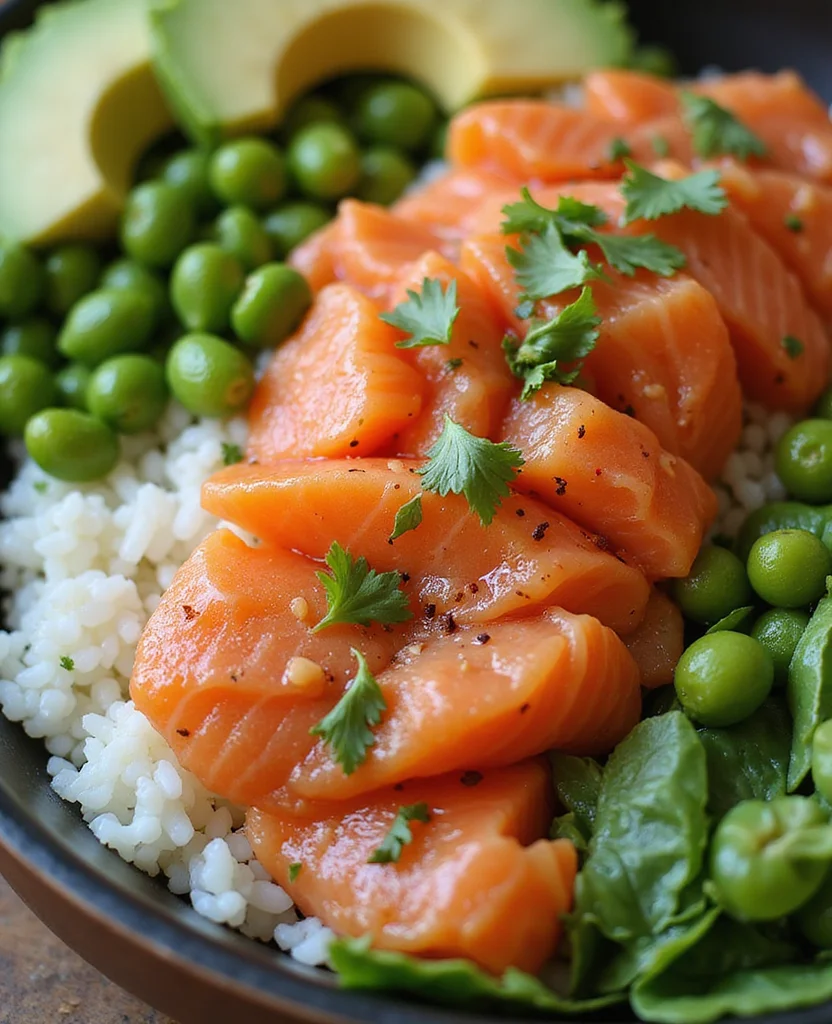
Top each bowl with marinated salmon, cucumber, and edamame.
Sprinkle toasted sesame seeds and sliced green onions over the top.
Ensure each bowl has a balanced proportion of ingredients.
Step 8: Serve and Enjoy
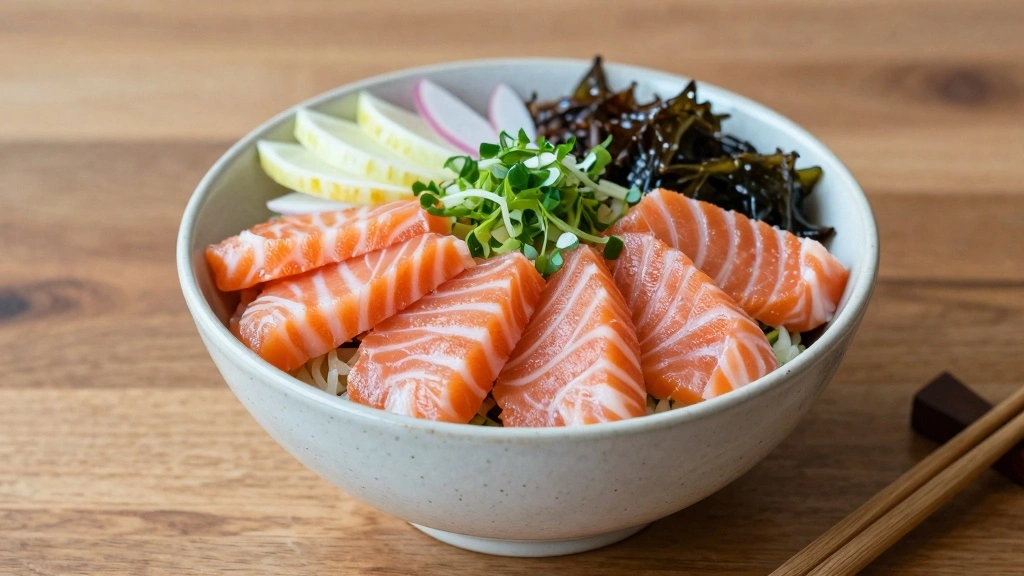
Serve the salmon poke bowls immediately for the freshest taste.
Optionally, drizzle with additional soy sauce or sesame oil if desired.
Garnish with extra green onions or sesame seeds for presentation.
Enjoy the vibrant flavors and textures of your homemade poke.
Critical Timing and Temperature Guide
Rice Cooking: Cook the rice in a rice cooker according to its instructions, typically about 15 minutes, then let it rest until cool. Avoid opening the lid too soon to ensure even cooking.
Marinating: Allow the salmon to marinate for at least 10 minutes in the refrigerator. Over-marinating can result in overly salty or mushy fish.
Toasting Seeds: Toast sesame seeds over medium heat for about 3-5 minutes. Keep stirring to prevent burning, and remove from heat once golden brown.
Pro Tips for Salmon Poke Recipe:
• Ingredient Selection: Choose sashimi-grade salmon for the freshest and safest raw fish experience, as it greatly affects the dish's quality.
• Preparation Secret: Gently massaging the rice with your fingers after rinsing helps remove excess starch, resulting in fluffier grains.
• Temperature Management: Ensure the rice is completely cooled before assembling to prevent wilting the vegetables or cooking the salmon.
• Texture Enhancement: Cutting the salmon into even cubes ensures uniform marinating and consistent texture in each bite.
• Flavor Layering: Incorporating a touch of citrus zest in the marinade can enhance and brighten the flavors without overpowering them.
• Make-Ahead Strategies: Prepare the rice and vegetables in advance, storing them separately in airtight containers for up to 24 hours.
• Restaurant-Quality Finishing Touches: Garnish with microgreens or edible flowers for an elegant, professional presentation.
• Equipment Optimization: A sushi mat can be used to press the rice into a compact base, providing a neat foundation for the toppings.
Troubleshooting Common Issues
• Texture Too Mushy: This is often caused by overcooking or over-marinating the salmon. Ensure you use precise marinating times and high-quality, firm salmon.
• Flavors Unbalanced: Tasting the marinade before using allows you to adjust soy, honey, or sesame oil levels to suit your palate.
• Rice Too Sticky: Insufficient rinsing of the rice before cooking can lead to stickiness. Rinse until water runs clear to remove excess starch.
• Seeds Burning: Toast sesame seeds over medium heat and keep stirring to ensure even browning without burning.
• Fish Tastes Off: Always use fresh, sashimi-grade fish and consume it promptly to prevent spoilage and unpleasant flavors.
Variations and Regional Differences
• Japanese-Inspired: Uses shiso leaves and pickled ginger as additional garnishes, with a touch of wasabi for heat.
• Korean-Inspired: Incorporates gochujang paste into the marinade for a spicy kick and tops with kimchi.
• California Style: Adds avocado slices and uses a light drizzle of spicy mayo for a creamy texture.
• Vegetarian Poke: Replaces salmon with marinated tofu or tempeh, maintaining the same marinade and toppings.


Food Science Behind the Recipe
• Emulsification: The combination of sesame oil and soy sauce creates a flavorful emulsion that clings to the fish, enhancing taste and texture.
• Protein Denaturation: The marination process uses soy sauce to lightly denature the proteins in the fish, altering its texture and flavor profile.
• Starch Gelatinization: Properly cooked sushi rice undergoes gelatinization, where the starches swell and soften, providing the desired sticky texture for the base.
Frequently Asked Questions
What's the most common mistake people make when preparing salmon poke? Over-marinating the salmon, which can result in a texture that's too soft or flavors that are too intense.
How do I ensure the salmon is safe to eat raw? Always purchase sashimi-grade salmon from a reputable source to ensure it's been handled properly for raw consumption.
Can I use other types of fish for this recipe? Yes, tuna is a popular alternative, and other firm, fresh fish like yellowtail can also be used.
Is it necessary to use sushi rice? While sushi rice is preferred for its texture, short-grain rice is an acceptable substitute if sushi rice is unavailable.
How long can I store leftovers? It's best to consume poke immediately, but leftovers can be stored in an airtight container in the refrigerator for up to 24 hours.
Can I make this dish spicy? Absolutely, adding chili flakes or a spicy sauce like sriracha can enhance the dish for those who enjoy heat.
What should I do if I can't find sashimi-grade salmon? Consider using smoked salmon as an alternative, or ensure the fish is frozen first to eliminate parasites.
Serving and Presentation Guide
• Traditional Presentation: Serve in a deep bowl with rice at the base, topped neatly with salmon, vegetables, and garnishes.
• Modern Plating: Use a shallow wide bowl to spread ingredients evenly, creating a visually appealing layout.
• Family Style: Present all components separately on a large platter, allowing guests to build their own bowls.
• Appetizer Cups: For parties, serve in small cups or glasses as individual appetizers with a touch of extra sauce on top.
Conclusion
Creating a salmon poke bowl at home is not only achievable but also incredibly rewarding.
With this recipe, you'll bring the taste of Hawaii's vibrant culinary culture to your table.
Enjoy exploring the flavors and textures, and don't hesitate to make it your own with personal touches.
Whether for a weekday meal or a special occasion, this dish is sure to impress and delight.