

Slow Cooker Recipes: Easy Meals, Less Effort!
Family-friendly dishes for busy people — quick prep, delicious results.
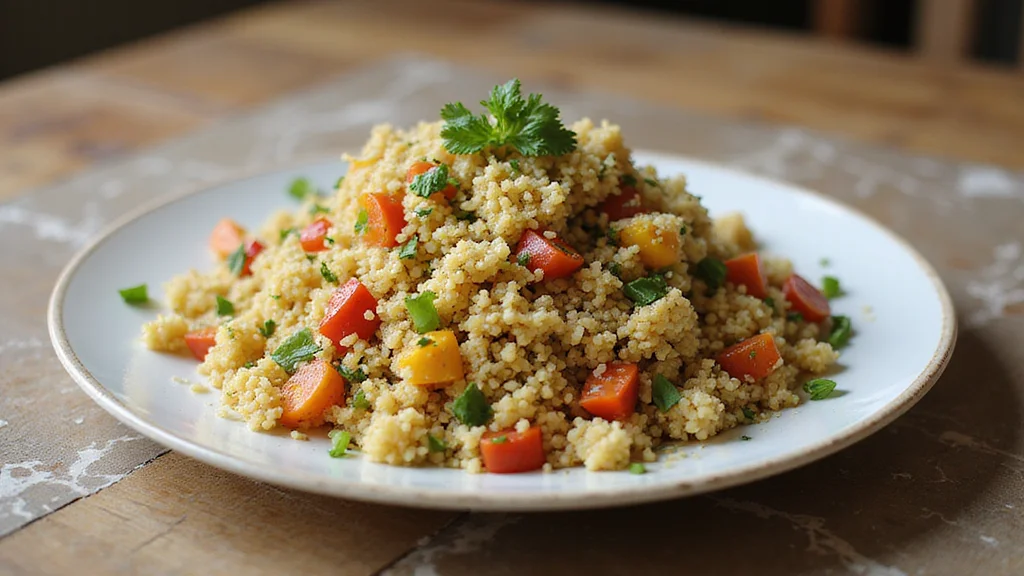
Grab yours for $4Mediterranean Couscous Salad is a delightful dish that captures the essence of the Mediterranean region.
With its vibrant colors and fresh flavors, this salad is a feast for both the eyes and the palate.
The combination of tangy lemons, briny olives, and fresh herbs creates a refreshing and satisfying meal.
I first discovered this recipe during a summer vacation in Greece, where it was a staple in local homes and restaurants.
Whether you’re looking for a light lunch or a side dish for a barbecue, this salad is both versatile and delicious.
The History and Cultural Significance
• Mediterranean Couscous Salad traces its origins to the Maghreb region, where it was originally created by Berber communities.
• The dish evolved over decades as it incorporated ingredients like tomatoes and cucumbers, eventually becoming the beloved version we know today.
• In Mediterranean cultures, this dish traditionally appears at family gatherings and celebrations, symbolizing abundance and hospitality.
• While many variations exist across different regions, the authentic version maintains a balance of fresh vegetables and herbs that sets it apart from imitations.
Recipe Overview
Nutritional Information (per serving)


Essential Equipment Guide
Saucepan: A medium-sized saucepan is essential for cooking couscous evenly. Alternatives include a small pot or rice cooker, but ensure it has a tight-fitting lid to trap steam.
Large Mixing Bowl: This allows for easy mixing of all salad components without spillage. Look for a bowl with a wide mouth for better maneuverability.
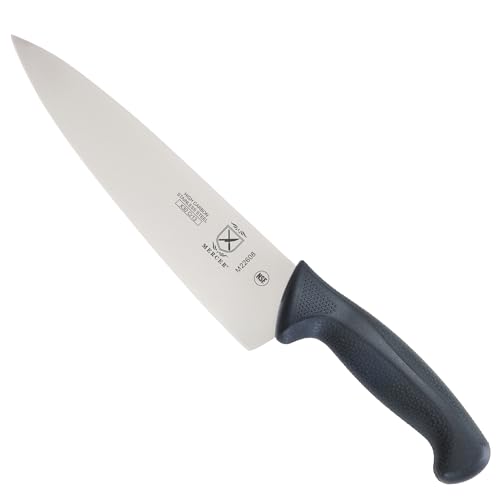
Chef’s Knife: A sharp chef’s knife is crucial for finely chopping vegetables and herbs. If unavailable, a paring knife can suffice, but ensure it is sharp for precision.




Ingredients
For the Base
|
|
| Amount | Ingredient | Notes |
|---|---|---|
| 1 cup | couscous | instant, cooks quickly |
| 1 cup | water | for cooking couscous |
| 1 tablespoon | olive oil | adds richness |
Vegetables
| Amount | Ingredient | Notes |
|---|---|---|
| 1 cup | cherry tomatoes | halved, adds sweetness |
| 1 medium | cucumber | diced, adds crunch |
| 1 small | red onion | finely chopped, adds sharpness |
Seasonings
| Amount | Ingredient | Notes |
|---|---|---|
| 1 teaspoon | salt | enhances flavor |
| 1 teaspoon | black pepper | freshly ground |
| 1 tablespoon | lemon juice | adds tanginess |
Herbs
| Amount | Ingredient | Notes |
|---|---|---|
| 1 cup | parsley | chopped, adds freshness |
| 1 tablespoon | mint leaves | chopped, adds aroma |


Preparation Methods
Fluffing Couscous: After cooking, use a fork to gently separate the grains. This technique is essential for achieving a light, fluffy texture rather than clumpy couscous.
Chopping Herbs: Finely chop herbs to release their oils and enhance flavor. Use a rocking motion with a sharp knife for even chopping without bruising the leaves.
Balancing Flavors: Carefully taste and adjust seasonings at each step, ensuring a harmonious balance between acidity, saltiness, and sweetness.


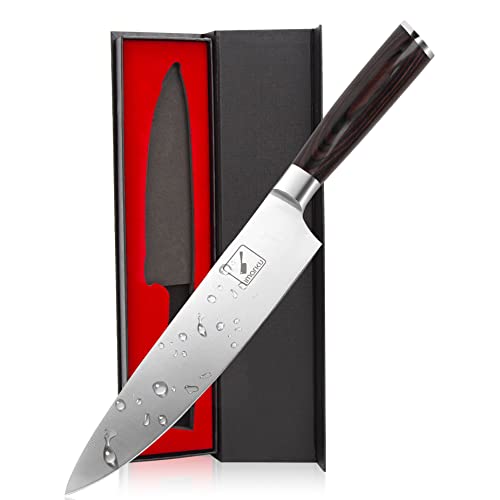


Step 1: Prepare Ingredients
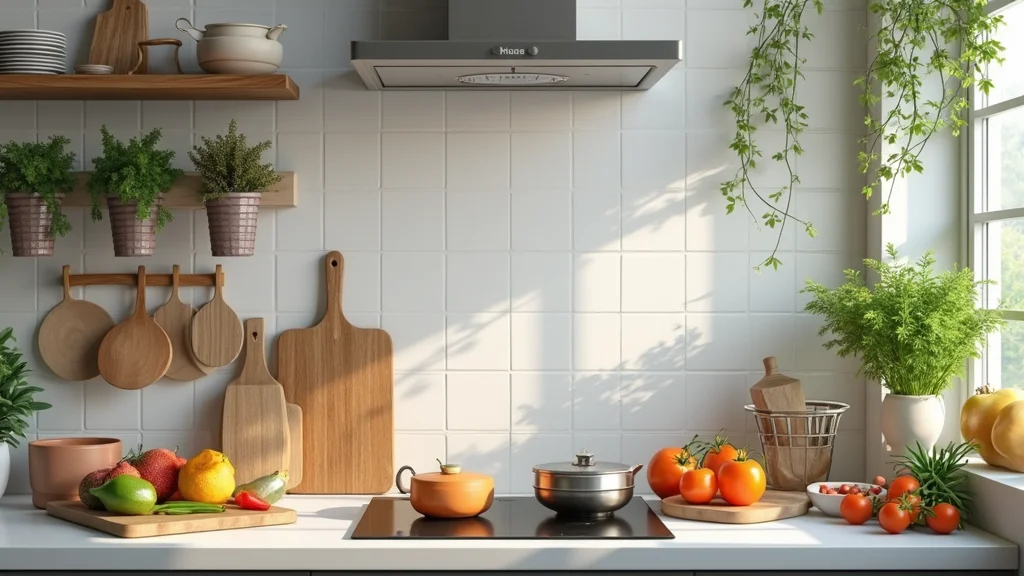
Gather all ingredients and equipment.
Wash and dry all fresh produce.
Chop vegetables and herbs as specified.
Measure out seasonings and set aside.
Step 2: Cook Couscous
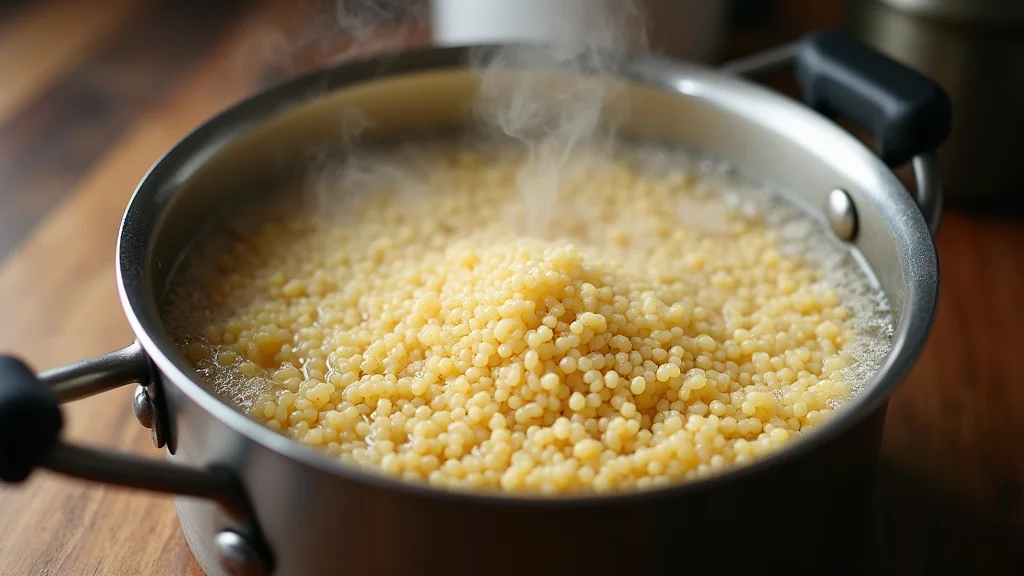
Bring water to a boil in a medium saucepan.
Add couscous and olive oil, then stir to combine.
Cover the pan with a lid and remove from heat.
Let it sit for 5 minutes to absorb the water.
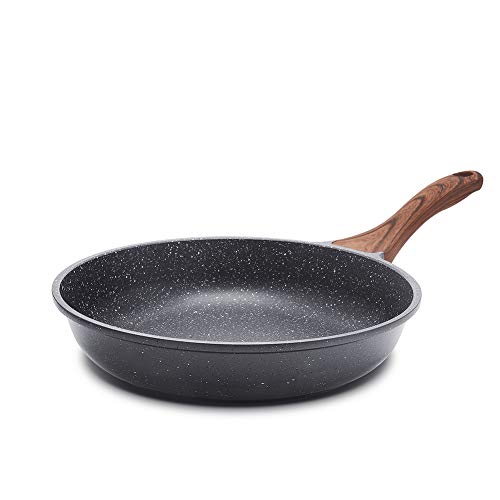


Step 3: Fluff Couscous
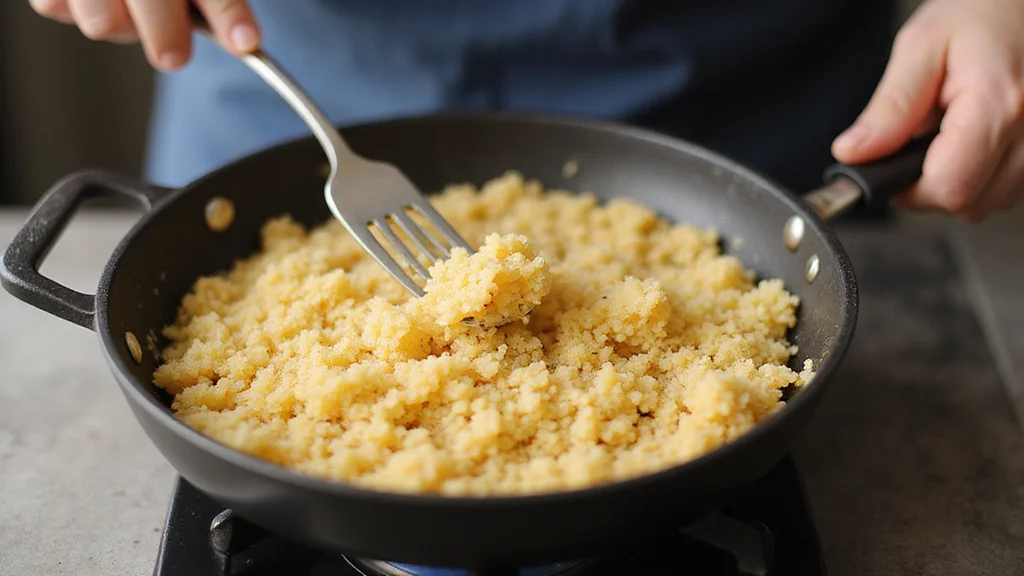
Remove the lid from the saucepan.
Use a fork to gently fluff the couscous.
Ensure all grains are separated and light.
Transfer couscous to a large mixing bowl.


Step 4: Combine Vegetables
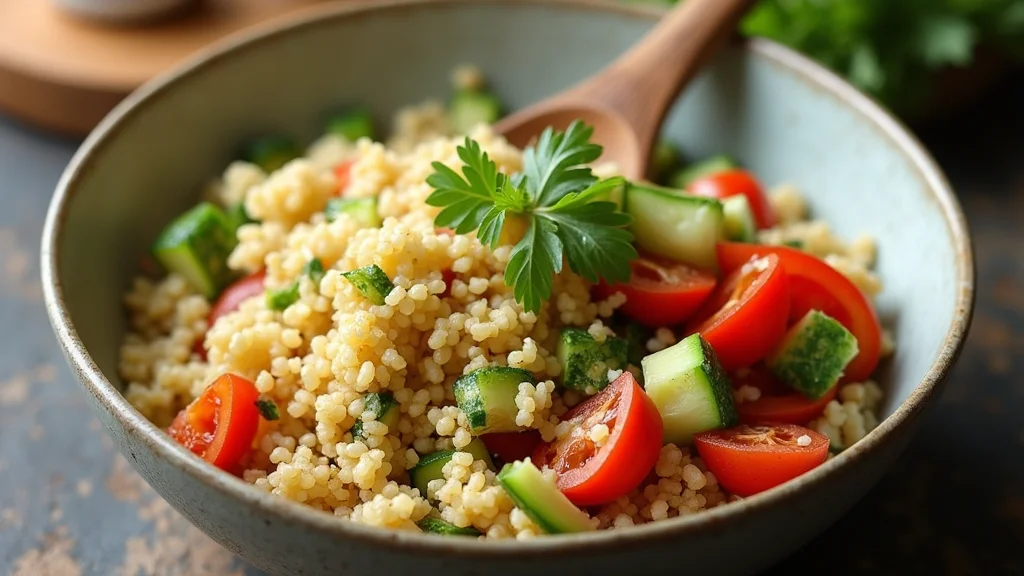
Add chopped cherry tomatoes and cucumber to the couscous.
Include finely chopped red onion.
Mix gently to distribute vegetables evenly.
Ensure all components are well combined.




Step 5: Add Seasonings
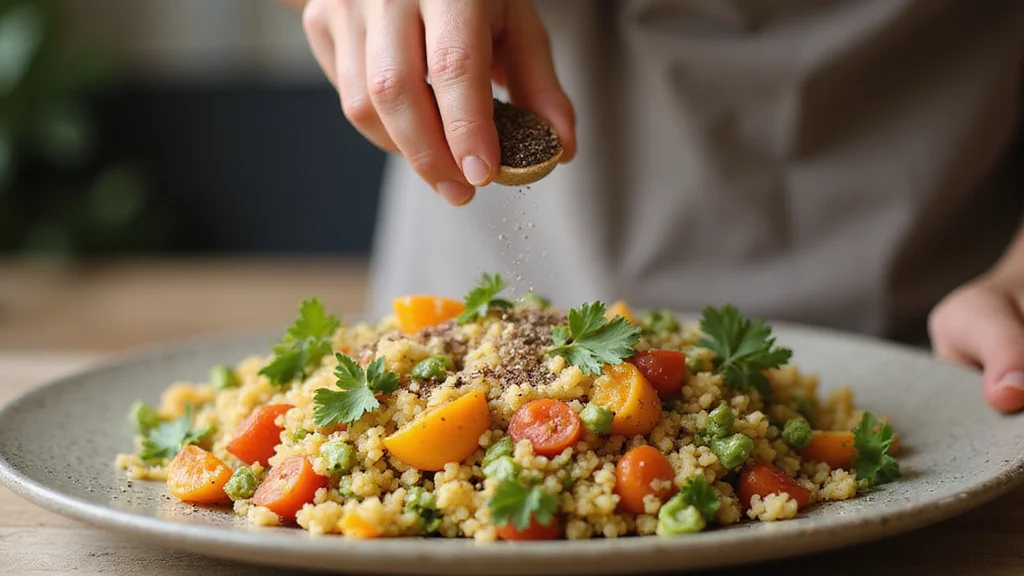
Sprinkle salt and black pepper over the salad.
Drizzle with lemon juice for acidity.
Stir to incorporate flavors throughout the salad.
Taste and adjust seasonings as needed.



Step 6: Incorporate Herbs
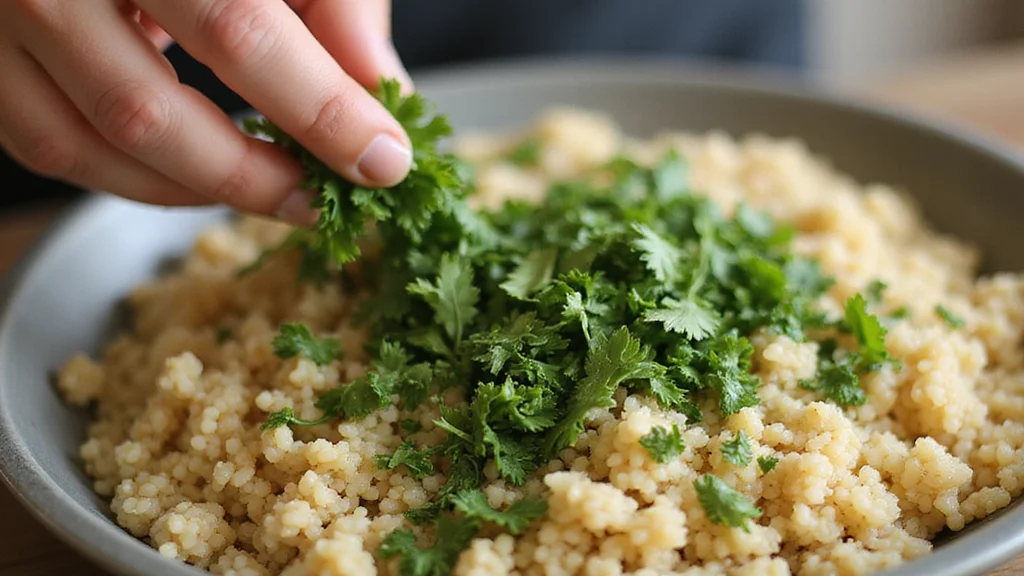
Add chopped parsley and mint leaves to the salad.
Fold herbs into the mixture gently.
Ensure an even distribution of herbs throughout.
Check for a fresh, aromatic scent.
Step 7: Chill Salad

Cover the mixing bowl with plastic wrap.
Place in the refrigerator for at least 15 minutes.
Allow flavors to meld and develop.
Serve chilled for the best experience.
Step 8: Serve and Garnish
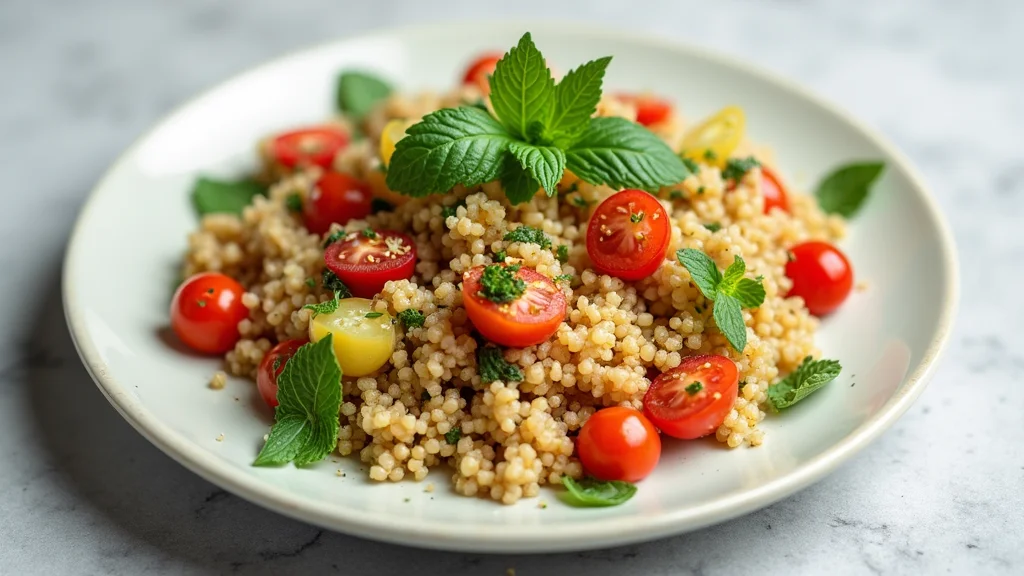
Remove salad from the refrigerator.
Transfer to a serving dish or individual plates.
Garnish with additional mint leaves if desired.
Enjoy the salad immediately.
Critical Timing and Temperature Guide
Couscous Cooking: Let couscous sit covered for exactly 5 minutes after boiling water is added. Look for all water to be absorbed and grains to be tender.
Chilling Salad: Chill the salad for at least 15 minutes but no more than 2 hours to prevent wilting of fresh herbs and vegetables.
Serving Temperature: Serve the salad chilled or at room temperature. Avoid serving too cold, as flavors are muted at lower temperatures.
Pro Tips for Mediterranean Couscous Salad
• Ingredient Selection: Choose firm, ripe cherry tomatoes and fresh, fragrant herbs for the best flavor impact.
• Preparation Secret: Toast couscous in the saucepan before adding water to enhance its nutty flavor.
• Temperature Management: Use room temperature lemons for juicing, as they yield more juice than cold ones.
• Texture Enhancement: Always fluff couscous with a fork rather than a spoon to maintain its light texture.
• Flavor Layering: Add lemon zest in addition to juice for a more complex citrus note.
• Make-Ahead Strategies: Prepare couscous and chop vegetables up to a day in advance; store separately and combine before serving.
• Restaurant-Quality Finishing Touches: Top with crumbled feta cheese and a drizzle of quality olive oil before serving.
• Equipment Optimization: Use a microplane grater for the finest lemon zest, maximizing flavor without bitterness.
Troubleshooting Common Issues
• Texture Too Clumpy: This issue is often caused by not fluffing the couscous properly. Ensure to use a fork and gently separate the grains immediately after cooking.
• Flavors Unbalanced: If flavors seem off, adjust by adding small amounts of lemon juice or salt incrementally to find the right balance.
• Salad Too Wet: This can occur if vegetables are not properly drained. Ensure all vegetables are dry before mixing.
• Herbs Wilting: Herbs wilt if added too early or left too long in the fridge. Add them just before serving for maximum freshness.
• Bland Taste: Often due to insufficient seasoning. Taste frequently during preparation and adjust accordingly.
• Overpowering Onion Flavor: Soak chopped red onion in cold water for 10 minutes before adding to tame its sharpness.
Variations and Regional Differences
• North African Variation: Includes ingredients like raisins and almonds for a sweet and nutty contrast.
• Greek Style: Incorporates feta cheese and kalamata olives, emphasizing a briny and creamy flavor profile.
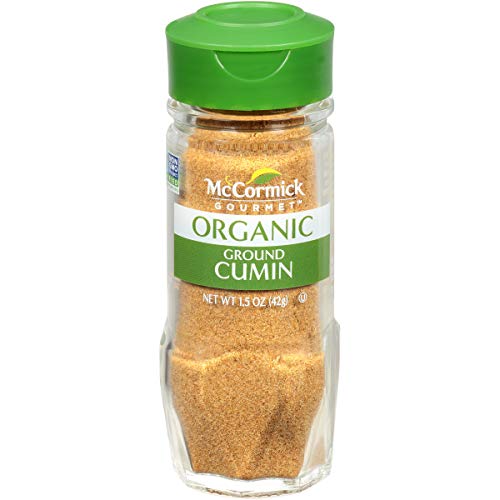
• Middle Eastern Twist: Adds spices such as cumin and coriander, providing a warm, earthy undertone.
• Italian-Inspired: Features sun-dried tomatoes and basil, highlighting a rich tomato and herbaceous flavor.




Food Science Behind the Recipe
• Emulsification: The combination of olive oil and lemon juice creates an emulsion, coating the couscous and vegetables evenly for a uniform flavor profile.
• Flavor Release: Chopping herbs finely helps release essential oils, enhancing the aromatic quality of the salad.
• Absorption: Couscous absorbs flavors and liquids efficiently due to its porous structure, making it ideal for salads where flavor permeation is desired.
Frequently Asked Questions
What's the most common mistake people make when preparing Mediterranean Couscous Salad? Overcooking the couscous, which results in a mushy texture instead of the desired fluffy consistency.
Can I use other grains instead of couscous? Yes, alternatives like quinoa or bulgur can be used, though they will alter the texture slightly.
How can I make the salad more filling? Add protein-rich ingredients such as chickpeas or grilled chicken for a more substantial meal.
Is it possible to make this salad vegan? Absolutely, simply omit any cheese or dairy-based garnishes.
How long will leftovers keep in the fridge? The salad can be stored for up to 2 days in an airtight container.
What is the best way to store the salad? Store the couscous separately from the vegetables and herbs to maintain freshness.
Why is my salad too sour? If the lemon juice is overpowering, balance it with a touch of honey or sugar.
Serving and Presentation Guide
• Traditional Presentation: Serve the salad in a wide, shallow bowl to showcase its colorful ingredients.
• Family Style: Place the salad in a large communal bowl for a shared dining experience.
• Individual Portions: Serve in smaller bowls or plates, garnished with a lemon wedge on the side.
• Garnish Ideas: Finish with a sprinkle of freshly chopped herbs or crumbled feta for added visual appeal.
Conclusion
Mediterranean Couscous Salad is a celebration of fresh, vibrant flavors that bring a taste of the Mediterranean to your table.
Its simple preparation and beautiful presentation make it a perfect addition to any meal, from casual lunches to elegant dinners.
Try this recipe today and enjoy the delightful blend of textures and tastes that make this salad truly special.


