

Slow Cooker Recipes: Easy Meals, Less Effort!
Family-friendly dishes for busy people — quick prep, delicious results.
Grab yours for $4The vibrant green hue of matcha is as energizing as its flavor is satisfying.
With its roots in Japanese tea ceremonies, matcha provides a unique blend of earthiness and sweetness that enhances a variety of dishes.
Whether it’s a warm cup of matcha latte on a chilly morning or a refreshing matcha ice cream in the summer heat, this ingredient is versatile and delightful.
My love for matcha began during a trip to Kyoto, where I experienced the rich cultural significance and intricate preparation techniques firsthand.
These matcha recipes will guide you in discovering how this powerful green tea can transform your culinary creations into energizing and delicious treats.
The History and Cultural Significance
• Matcha Recipes trace their origins to ancient China during the Tang Dynasty when green tea leaves were first ground into a fine powder.
• The dish evolved over centuries, with Japanese Zen Buddhists refining the technique and incorporating matcha into tea ceremonies, eventually becoming the beloved version we know today.
• In Japanese culture, matcha is traditionally served during tea ceremonies, symbolizing harmony, respect, and tranquility.
• While many variations exist across different regions, the authentic version maintains its ceremonial preparation method that sets it apart from imitations.
Recipe Overview
Nutritional Information (per serving)


Essential Equipment Guide
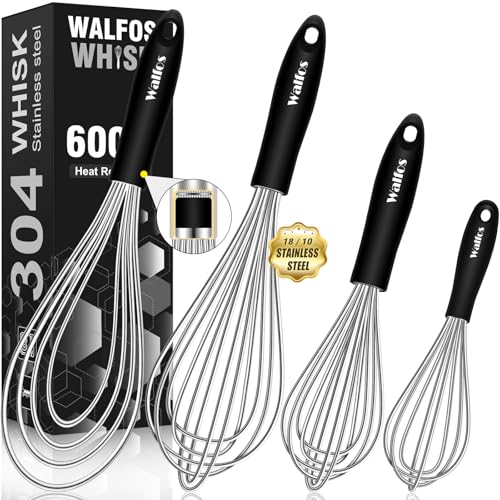
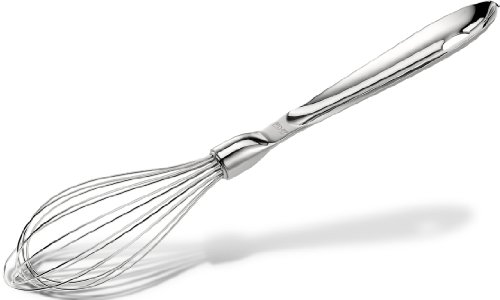
Whisk: A traditional bamboo whisk, known as a chasen, is crucial for achieving the perfect frothy texture in your matcha tea. Alternatives like a small kitchen whisk or a milk frother can work, but they may not provide the same smooth consistency.
Tea Bowl: A wide and shallow bowl allows for proper whisking, ensuring the matcha powder dissolves evenly. A regular cereal bowl can be used in its place, but look for a smooth interior surface.
Fine Mesh Sieve: Sifting the matcha powder before use helps prevent clumping and ensures a smooth texture. A small kitchen strainer is a suitable alternative, but make sure it’s fine enough to filter the powder effectively.



Ingredients
For the Matcha Base
|
|
| Amount | Ingredient | Notes |
|---|---|---|
| 2 teaspoons | matcha powder | high quality for best flavor |
| 1 cup | hot water | just below boiling point to preserve nutrients |
Sweetener
| Amount | Ingredient | Notes |
|---|---|---|
| 1 tablespoon | honey | optional, for added sweetness |
Creamy Addition
| Amount | Ingredient | Notes |
|---|---|---|
| 1/2 cup | almond milk | warmed, enhances creaminess |





Preparation Methods
Whisking Technique: Whisking matcha in a zig-zag motion using a bamboo chasen helps create a frothy texture, which is essential for a traditional matcha experience. Ensure your wrist is relaxed and use quick movements to incorporate air.
Sifting: This technique involves passing matcha powder through a fine mesh sieve to remove any clumps, ensuring a smooth beverage. Sifting is crucial because even small clumps can affect the texture and taste.
Temperature Control: Maintaining the right temperature (approximately 175°F/80°C) for the water is critical to prevent the matcha from becoming bitter. Use a thermometer or let boiling water cool for a minute before mixing.



Step 1: Sift the Matcha
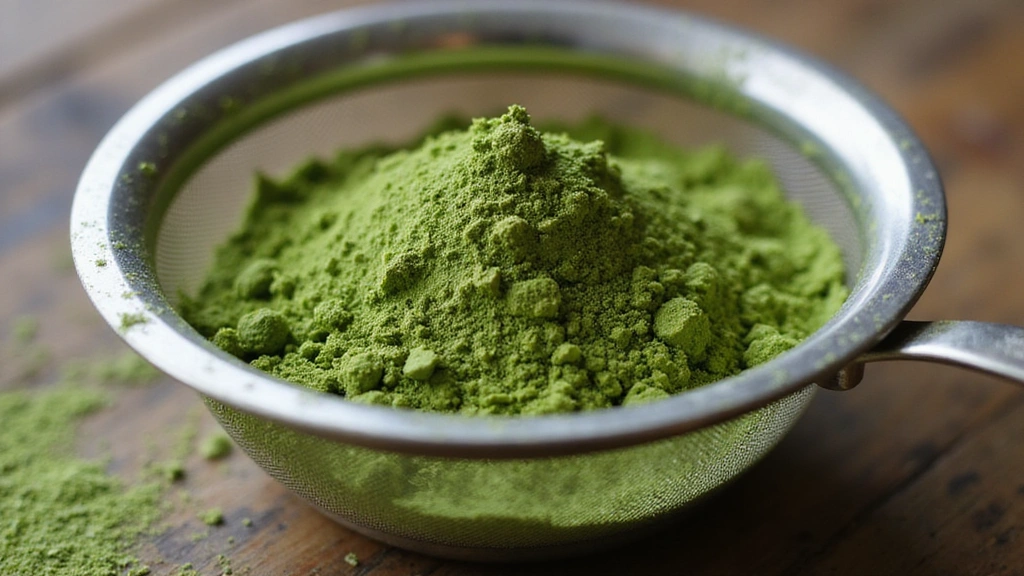
Place a fine mesh sieve over a small bowl.
Add matcha powder to the sieve.
Gently tap the sieve to sift the matcha into the bowl.
Ensure there are no clumps left in the powder.
Step 2: Heat the Water
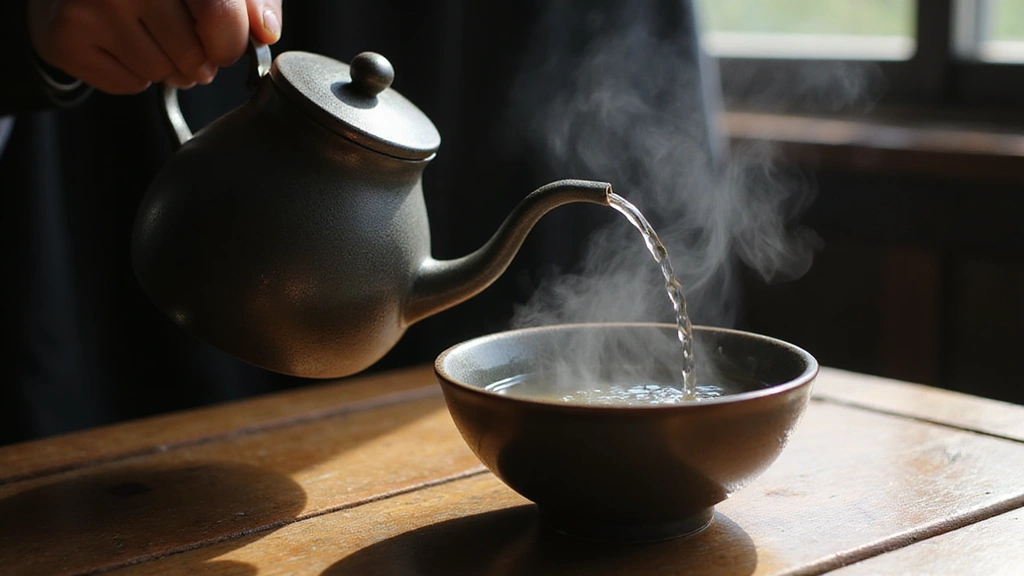
Boil water and let it cool for about 1 minute.
Check the temperature to ensure it's around 175°F (80°C).
Pour the hot water into a tea bowl.
Warm the bowl and discard the water, leaving it slightly wet.
Step 3: Combine Matcha and Water
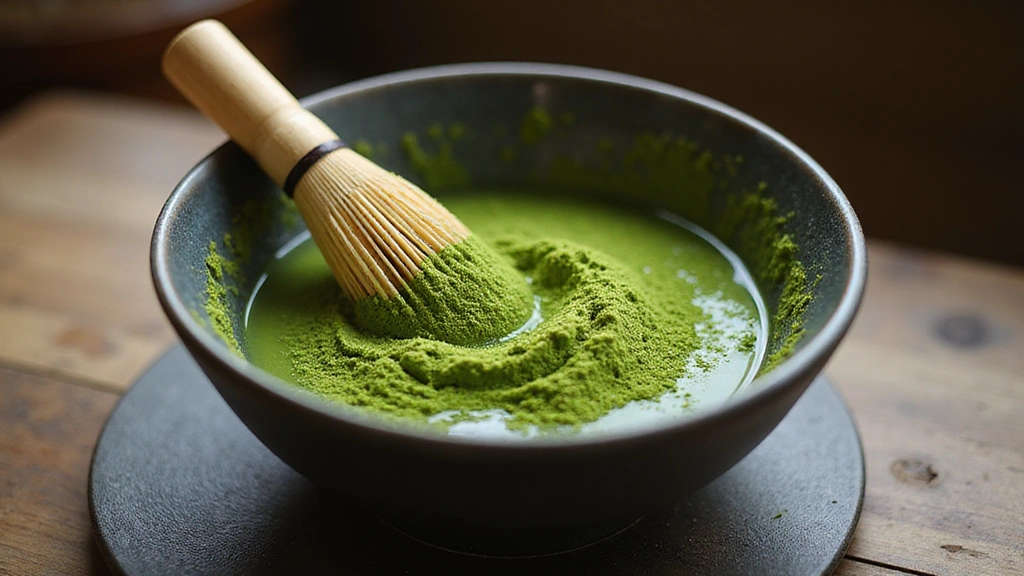
Add the sifted matcha powder to the warm tea bowl.
Pour hot water over the matcha, covering it completely.
Use a bamboo whisk to mix the matcha and water.
Ensure the mixture is smooth and lump-free.
Step 4: Whisk the Matcha
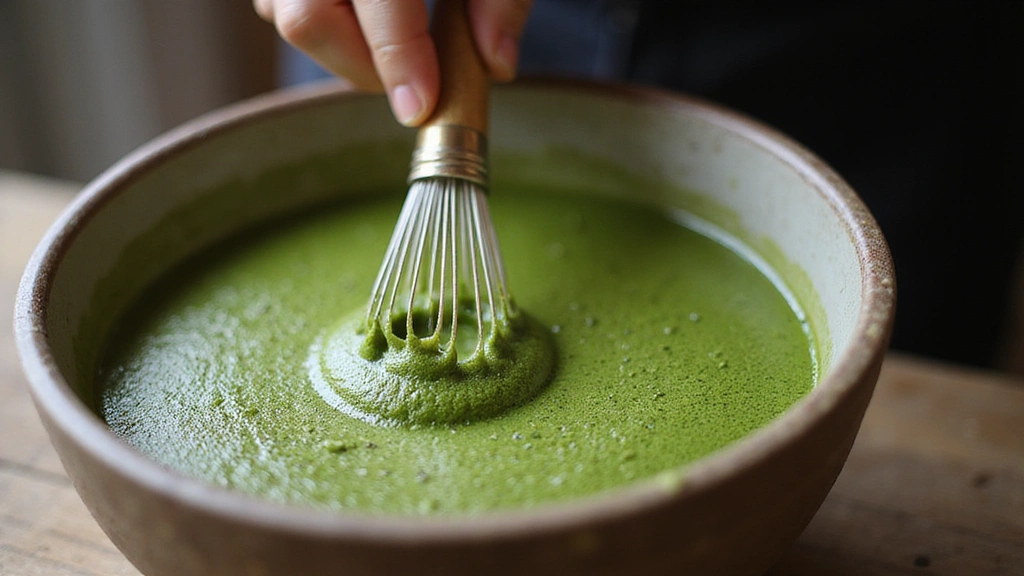
Hold the whisk upright and start whisking in a zig-zag motion.
Increase the speed to create a frothy top layer.
Continue whisking until bubbles form on the surface.
Stop whisking when the matcha is smooth and frothy.
Step 5: Prepare the Milk
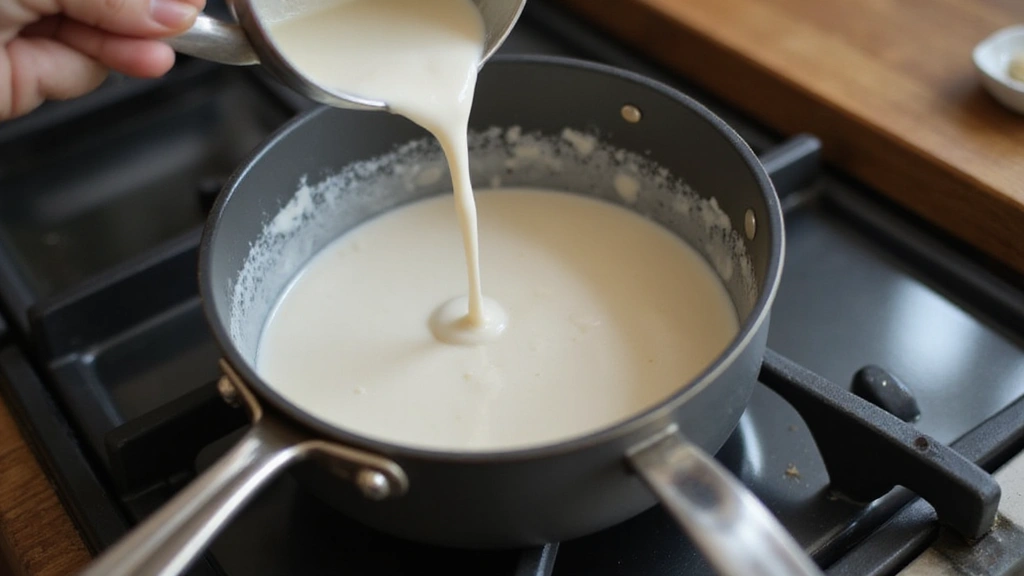
Heat almond milk until warm but not boiling.
Use a milk frother to create a light foam.
Pour the frothed milk into a serving cup.
Set the milk aside while you finish the matcha.
Step 6: Combine Milk and Matcha
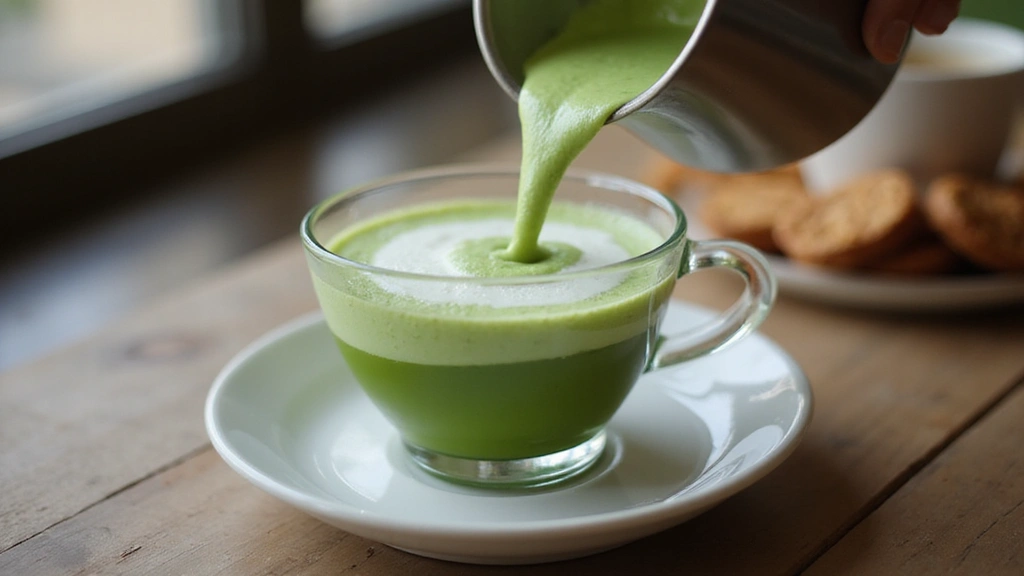
Slowly pour the prepared matcha over the frothed milk.
Use a spoon to hold back the froth while pouring.
Allow the matcha to blend with the milk.
Gently stir to combine the layers.
Step 7: Sweeten to Taste
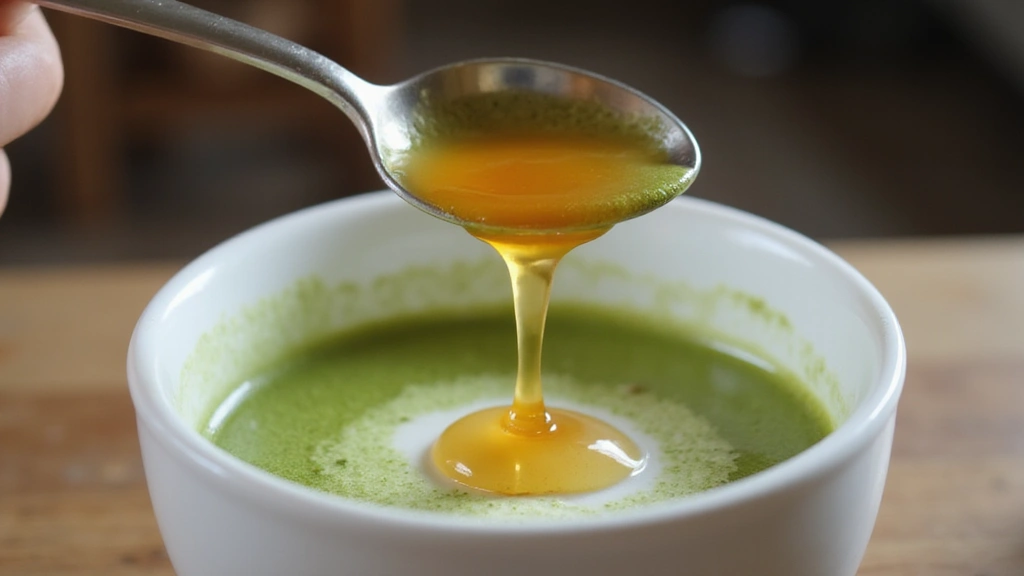
Add honey to the matcha and milk mixture.
Stir gently until the honey is fully dissolved.
Taste the drink and adjust sweetness if needed.
Ensure the drink remains well-mixed.
Step 8: Serve the Matcha
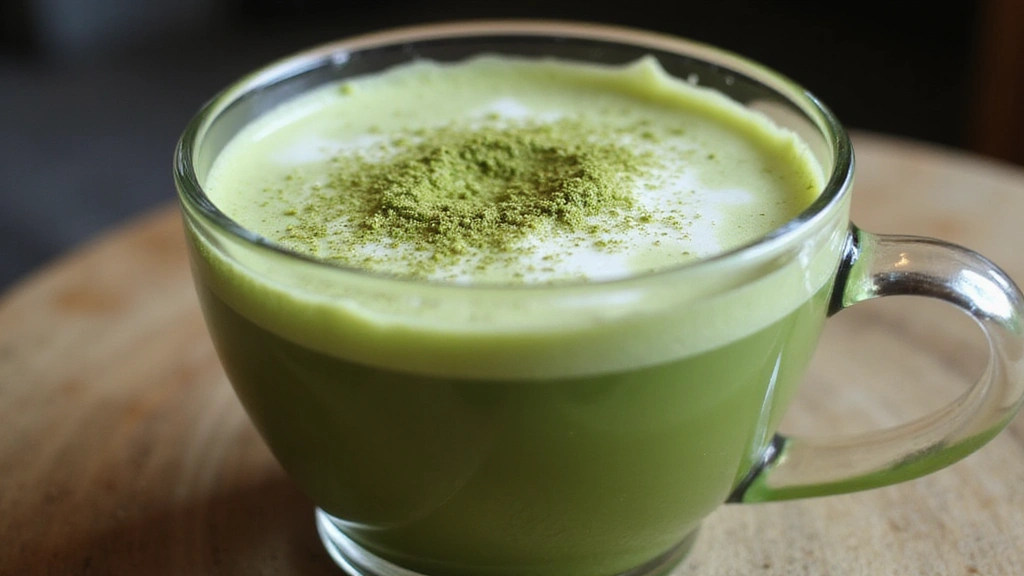
Pour the matcha latte into a clean serving cup.
Garnish with a sprinkle of matcha powder if desired.
Serve immediately while warm.
Enjoy the invigorating taste and aroma.
Critical Timing and Temperature Guide
Water Temperature: Keep it at 175°F (80°C) to prevent bitterness. Watch for steam but no boiling bubbles, and avoid overheating.
Whisking Duration: Whisk matcha for about 15-20 seconds until frothy. Look for small bubbles and avoid over-whisking, which can flatten the froth.
Milk Heating: Heat the milk until just warm, around 150°F (65°C). Watch for steam, and avoid boiling to prevent curdling.
Pro Tips for Matcha Recipes
• Ingredient Selection: Choose ceremonial-grade matcha for its superior flavor and vibrant color, and opt for unsweetened almond milk to control sweetness.
• Preparation Secret: Sifting matcha is often skipped but crucial for a smooth drink, preventing clumps that compromise texture.
• Temperature Management: Ensure the water is not too hot to maintain the delicate flavors of matcha and avoid bitterness.
• Texture Enhancement: Proper whisking technique is vital for achieving a creamy foam that elevates the drinking experience.
• Flavor Layering: Incorporate a small amount of salt to enhance the umami taste of matcha, balancing the natural sweetness.
• Make-Ahead Strategies: Prepare the matcha base ahead of time and refrigerate; reheat gently before serving to maintain freshness.
• Restaurant-Quality Finishing Touches: Serve with a dusting of matcha powder for an elegant presentation that enhances aroma.
• Equipment Optimization: Use a small electric frother if a bamboo whisk is unavailable, ensuring a similar frothy finish.


Troubleshooting Common Issues
• Texture Too Dense: Caused by insufficient whisking. Recognize by lack of froth and fix by increasing whisking speed for more air incorporation.
• Flavors Unbalanced: Resulting from incorrect matcha-to-water ratio. Adjust by adding more water or sweetener and check for a harmonious taste.
• Matcha Clumping: Occurs if not sifted. Identify clumps before whisking and fix by resifting the powder for smooth texture.
• Milk Curdling: Happens with overheating. Recognize by separation in the cup and prevent by heating milk gently to a warm, not boiling, state.
• Lack of Froth: Due to improper whisk technique. Fix by ensuring quick, zig-zag motions and using a whisk with more prongs for better aeration.
Variations and Regional Differences
• Japanese Traditional: Focused on pure matcha with water, emphasizing the natural taste without milk or sweeteners, often used in tea ceremonies.
• Western Latte: Incorporates steamed milk and sweeteners like vanilla or honey, adapting to Western palates with a creamier texture.
• Matcha Frappe: A cold version blended with ice and sweetened milk, popular in warmer regions for its refreshing quality.
• Vegan Adaptation: Utilizes plant-based milks like oat or soy, catering to dietary preferences while maintaining the original flavor profile.


Food Science Behind the Recipe
• Emulsion Formation: Whisking creates an emulsion of water and matcha, where air is incorporated to form a stable froth, essential for texture.
• Maillard Reaction: The gentle heating of matcha and milk enhances flavor through the Maillard reaction, developing subtle sweetness and complexity.
• Solubility of Matcha: Matcha's solubility in water allows the release of antioxidants and amino acids, contributing to its health benefits and umami taste.
Frequently Asked Questions
What's the most common mistake people make when preparing matcha? The most common mistake is using water that is too hot, which can make the matcha bitter.
Can I use a regular whisk instead of a bamboo whisk? Yes, but a bamboo whisk is recommended for achieving the best frothy texture.
How long can I store prepared matcha in the fridge? Store for up to 24 hours, but it's best enjoyed fresh to maintain flavor and nutrients.
Why is my matcha clumping? Clumping occurs if the powder isn't sifted or if the water is added too quickly.
Is matcha safe for children? Yes, in moderation, but be mindful of caffeine content, similar to other teas.
Can I use sweeteners other than honey? Absolutely, alternatives like agave syrup or sugar can be used based on preference.
What's the best way to froth milk for a matcha latte? Use a milk frother or steam the milk to create a creamy foam that complements the matcha.
Serving and Presentation Guide
• Traditional Presentation: Serve in a shallow bowl, emphasizing the frothy top with a sprinkle of matcha powder.
• Modern Latte Style: Use a transparent glass to showcase layers, with frothed milk forming a distinct layer from the matcha.
• Gourmet Touch: Add edible flowers or a light dusting of cocoa for a sophisticated finished look.
• Chilled Variation: Serve over ice in a tall glass for a refreshing summer drink, with a mint sprig for garnish.


Conclusion
Embrace the vibrant world of matcha with these energizing and delicious recipes.
From traditional preparations to modern twists, each sip offers a unique blend of flavor and health benefits.
Try these matcha recipes and discover the delightful versatility of this timeless ingredient in your kitchen.


