Slow Cooker Recipes: Easy Meals, Less Effort!
Family-friendly dishes for busy people — quick prep, delicious results.
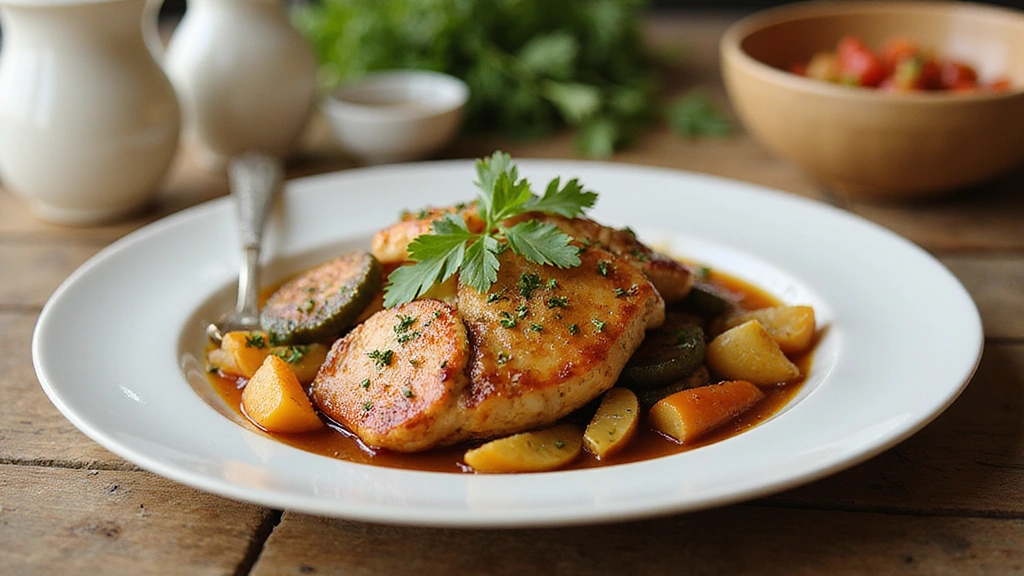
Grab yours for $4Italian Sausage Dinner brings together the robust flavors of Italy with the comfort of a hearty meal.
The savory spices meld beautifully with fresh ingredients to deliver a warm, fulfilling dish.
It’s the perfect choice for a cozy family dinner or an impressive dish for entertaining guests.
I first encountered this dish during a summer in Tuscany, where the aroma from local trattorias was irresistible.
Whether it’s a chilly winter evening or a vibrant summer gathering, this recipe provides satisfaction year-round.
The History and Cultural Significance
• Italian Sausage Dinner traces its origins to Southern Italy, where it was originally created by local farmers using fresh, regional ingredients.
• The dish evolved over decades as spices from the New World were introduced, eventually becoming the beloved version we know today.
• In Italy, this dish traditionally appears at family gatherings and festivals, symbolizing abundance and togetherness.
• While many variations exist across different regions, the authentic version maintains a rustic, hearty flavor that sets it apart from imitations.
Recipe Overview
Nutritional Information (per serving)


Essential Equipment Guide
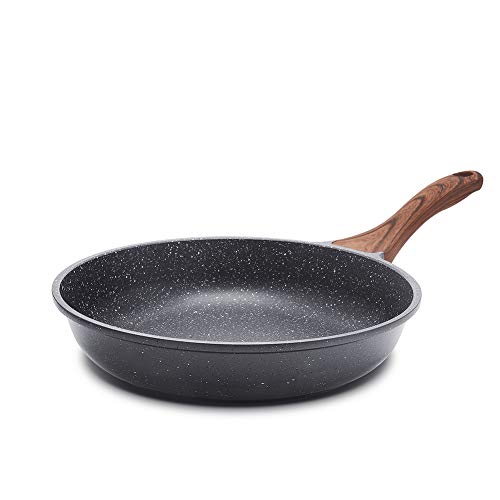
Cast Iron Skillet: A cast iron skillet is crucial for achieving authentic results as it evenly distributes heat and develops a deep, caramelized crust on the sausages. Alternatives include a heavy-bottomed stainless steel pan. Look for a skillet with a well-seasoned surface to prevent sticking.
Sharp Chef’s Knife: A sharp chef’s knife is essential for finely chopping vegetables and herbs, which is key to the texture and flavor balance of the dish. Alternatives might include a santoku knife. Choose a knife with a comfortable grip and a well-balanced blade.
Large Mixing Bowl: Using a large mixing bowl allows for easy combining of ingredients without spillage, ensuring even distribution of flavors. Any large, non-reactive bowl can work as an alternative. Look for a bowl with a stable base to avoid tipping.


Ingredients
For the Base
|
|
| Amount | Ingredient | Notes |
|---|---|---|
| 1 pound | Italian sausage | adds savory flavor and richness |
| 2 tablespoons | olive oil | for sautéing |
Vegetables
| Amount | Ingredient | Notes |
|---|---|---|
| 1 large | onion | finely chopped |
| 2 cloves | garlic | minced for aroma |
| 2 medium | bell peppers | sliced, adds sweetness and color |
Seasonings
| Amount | Ingredient | Notes |
|---|---|---|
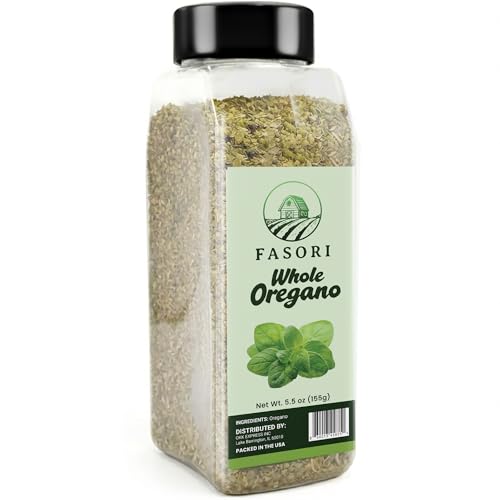
| 1 teaspoon | dried oregano | for earthy notes |
| 1 teaspoon | fennel seeds | adds a distinct anise flavor |
| 1 pinch | red pepper flakes | for subtle heat |
For the Sauce
| Amount | Ingredient | Notes |
|---|---|---|
| 1 cup | tomato sauce | provides a rich base |
| 1 cup | chicken broth | adds depth and moisture |


Preparation Methods
Sautéing: Sautéing is a technique where ingredients are cooked quickly in a small amount of oil over high heat. It’s crucial for developing flavor in the sausage and vegetables. Stir frequently to prevent burning and ensure even cooking.
Deglazing: Deglazing involves adding liquid to a hot pan to loosen browned bits from the bottom, which adds depth to the sauce. Use a wooden spoon to scrape the pan gently as you pour in the liquid.
Simmering: Simmering is cooking ingredients in liquid at a temperature just below boiling. This technique allows flavors to meld together over time. Keep an eye on the heat to maintain a gentle bubbling without boiling.
Step 1: Prepare Ingredients
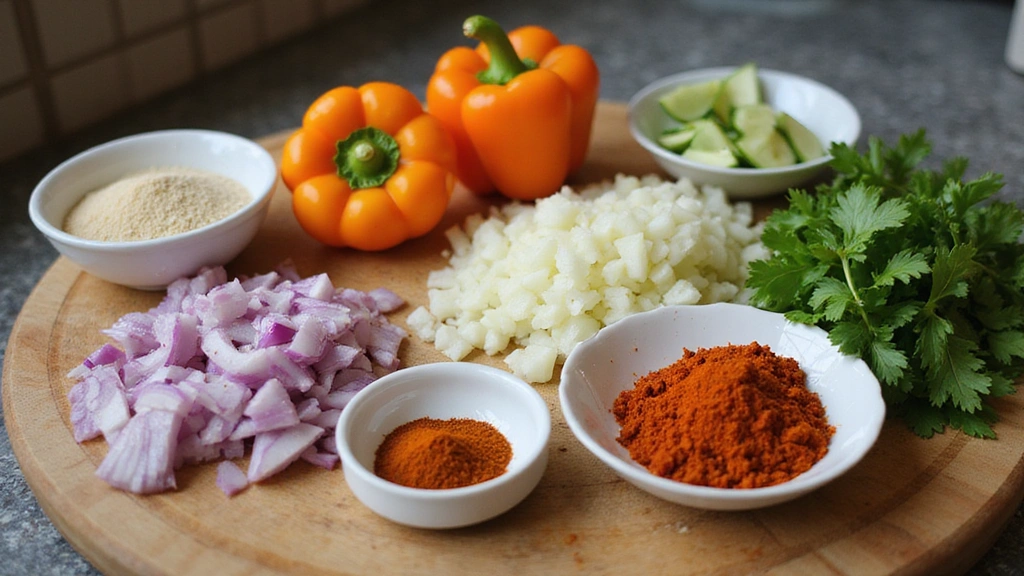
Gather all ingredients and equipment needed for the recipe.
Chop the onion and slice the bell peppers as instructed.
Measure out the spices and place them in small bowls for easy access.
Ensure the Italian sausages are at room temperature for even cooking.





Step 2: Sauté the Sausage

Heat olive oil in a cast iron skillet over medium-high heat.
Add the Italian sausages and cook until browned on all sides, about 5 minutes.
Remove sausages and set aside on a plate lined with paper towels.
Leave the oil and browned bits in the skillet for added flavor.



Step 3: Cook the Vegetables
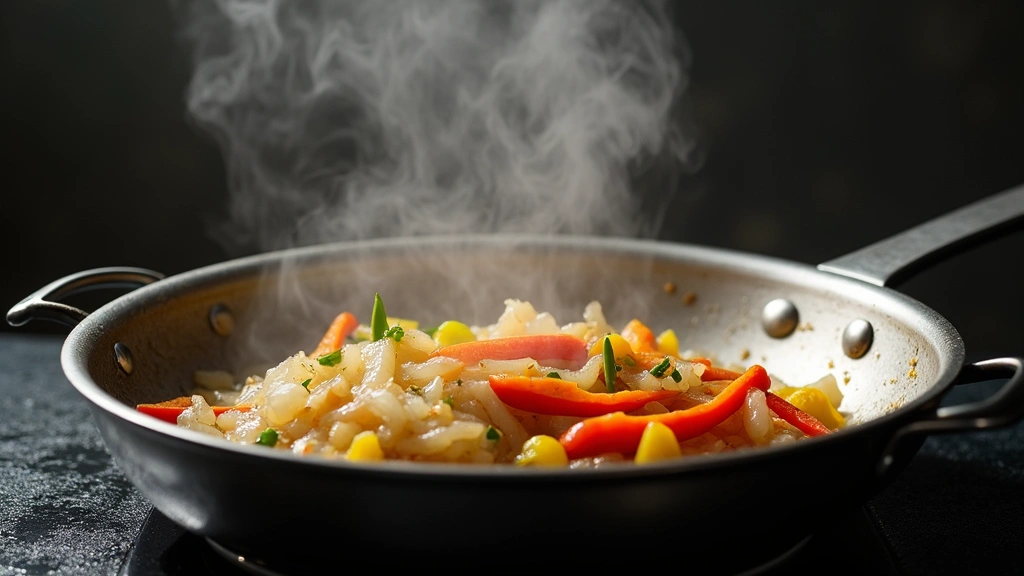
In the same skillet, add the chopped onion and minced garlic.
Stir frequently until the onion becomes translucent and fragrant.
Add sliced bell peppers and continue cooking until they soften.
Ensure the vegetables are evenly cooked without burning.
Step 4: Add Seasonings
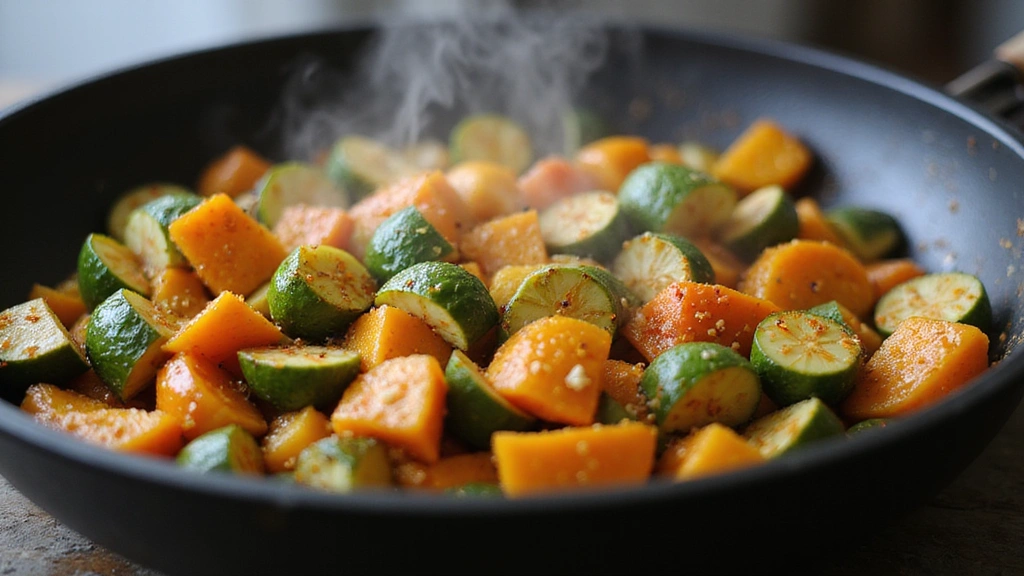
Sprinkle the oregano, fennel seeds, and red pepper flakes over the vegetables.
Mix thoroughly to coat the vegetables with the spices.
Cook for another 2 minutes to release the spices' aromas.
Ensure an even distribution of seasonings for balanced flavor.




Step 5: Deglaze the Pan
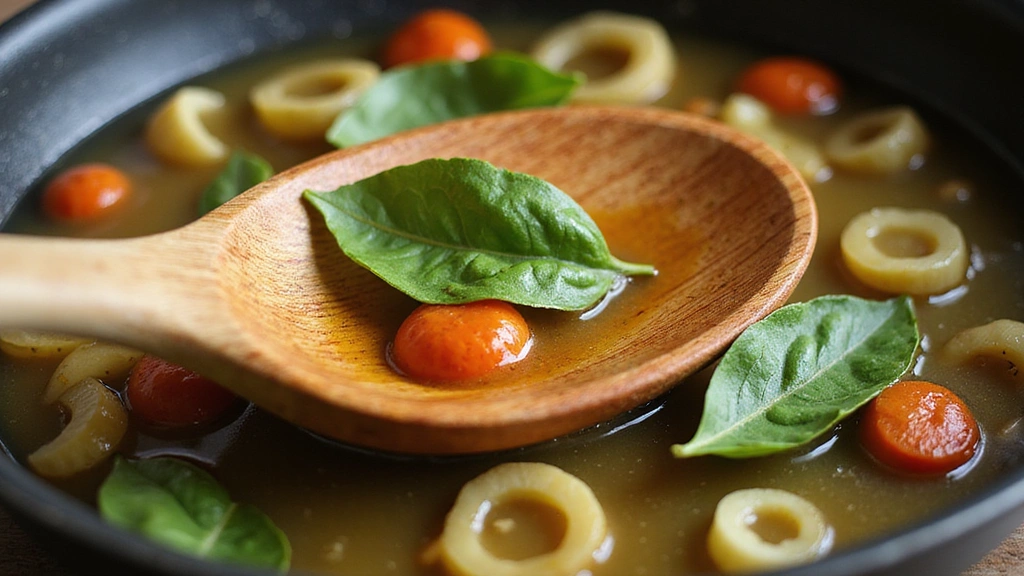
Pour the chicken broth into the skillet to deglaze.
Use a wooden spoon to scrape the bottom of the pan gently.
Incorporate the browned bits into the liquid for flavor enhancement.
Let the mixture come to a gentle simmer.
Step 6: Add Tomato Sauce
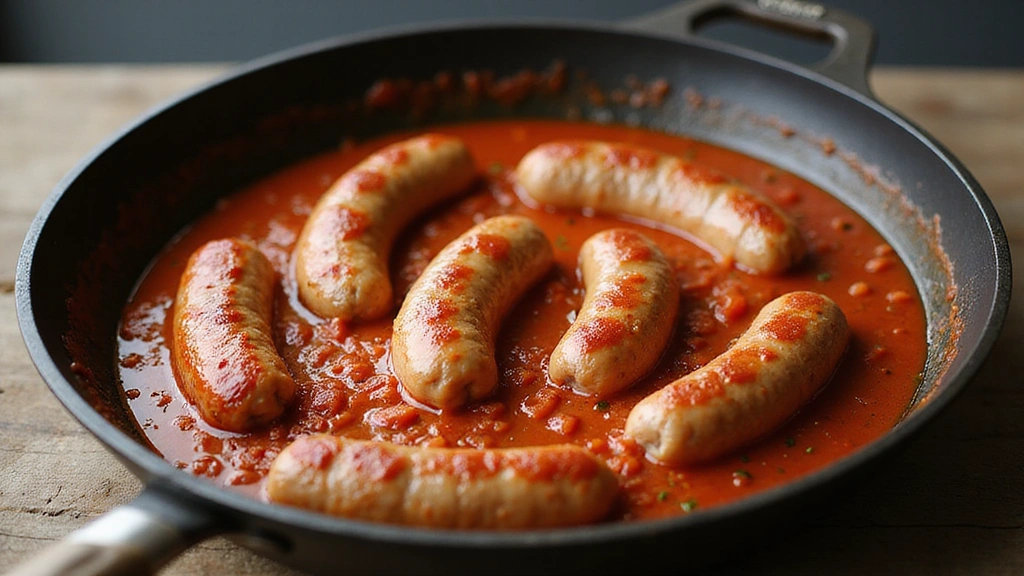
Add the tomato sauce to the skillet, stirring to combine with the broth.
Return the sausages to the pan, nestling them into the sauce.
Reduce the heat to maintain a gentle simmer.
Ensure the sausages are partially submerged in the sauce for even cooking.



Step 7: Simmer the Dish
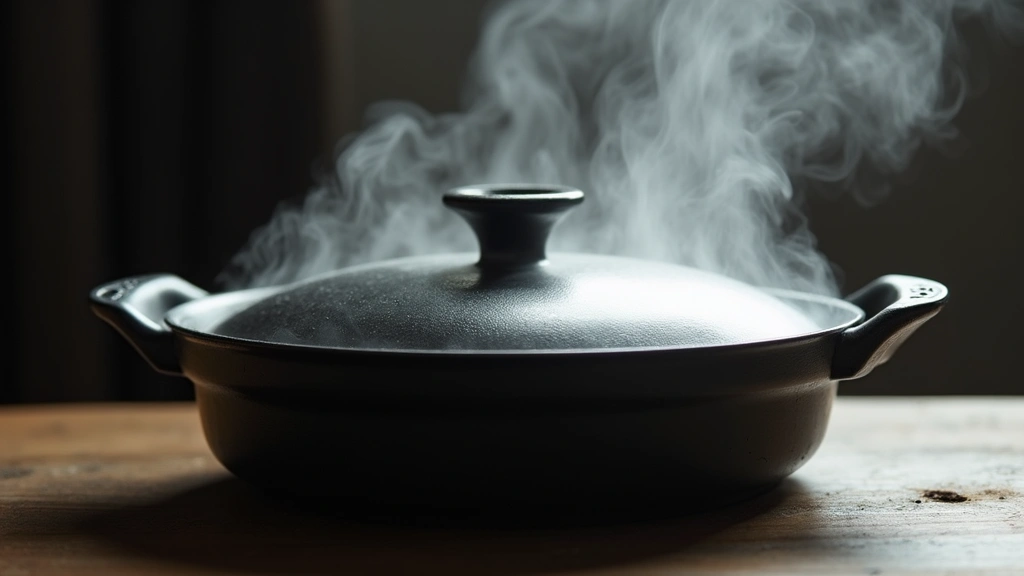
Cover the skillet with a lid to retain moisture.
Allow the dish to simmer for 20-25 minutes, stirring occasionally.
Check for doneness by cutting into a sausage; it should be cooked through.
Adjust seasoning with salt and pepper if needed.



Step 8: Serve and Garnish
Remove the skillet from heat and let it rest for a few minutes.
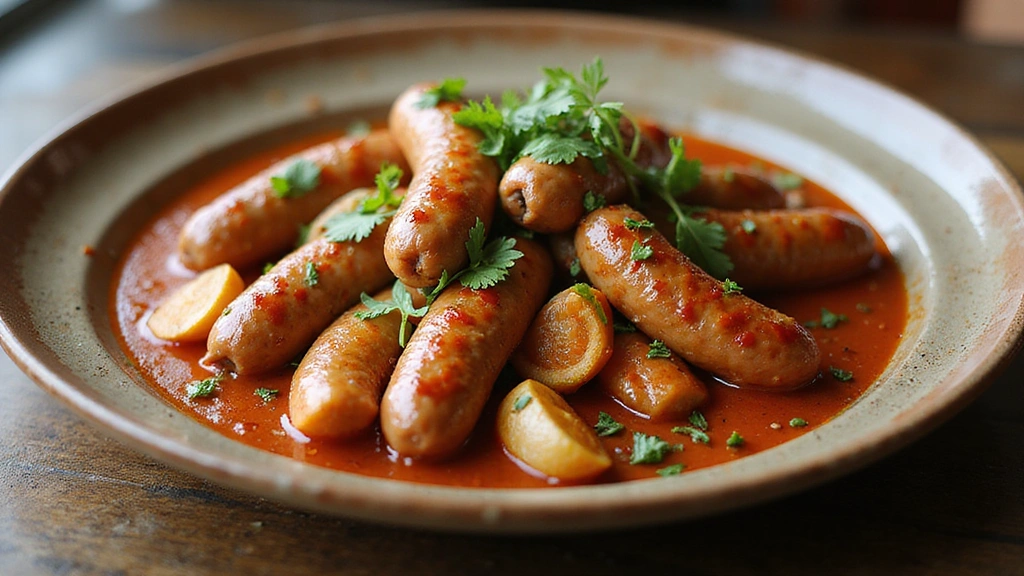
Transfer sausages and sauce to a serving platter.
Garnish with fresh basil or parsley for a pop of color.
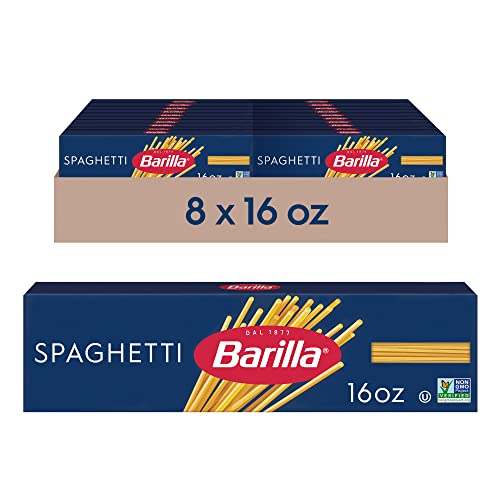
Serve immediately with crusty bread or pasta.




Critical Timing and Temperature Guide
Sautéing Sausages: Cook sausages over medium-high heat for about 5 minutes until browned. Ensure the internal temperature reaches 160°F. Avoid overcrowding the pan to ensure even browning.
Simmering Sauce: Maintain a simmer at low heat for 20-25 minutes. The sauce should reduce slightly and thicken. Avoid boiling, which can toughen the meat.
Final Resting: Allow the dish to rest off the heat for 5 minutes before serving. This helps the flavors meld further and the sauce to set slightly.
Pro Tips for Italian Sausage Dinner
• Ingredient Selection: Choose high-quality, fresh Italian sausages from a trusted butcher for the best flavor.
• Preparation Secret: Let the sausages come to room temperature before cooking to ensure even browning and juiciness.
• Temperature Management: Use medium-high heat for sautéing to develop rich caramelization without burning.
• Texture Enhancement: Simmer the dish slowly to allow the sausage to tenderize and absorb the sauce's flavors.
• Flavor Layering: Incorporate fennel seeds and oregano to build complexity and enhance the Italian profile.
• Make-Ahead Strategies: Prepare the sauce a day in advance and reheat gently before adding fresh-cooked sausages.
• Restaurant-Quality Finishing Touches: Garnish with fresh herbs like basil or parsley for a vibrant finish.
• Equipment Optimization: Preheat the cast iron skillet before adding oil to ensure even heat distribution.



Troubleshooting Common Issues
• Texture Too Tough: Overcooking sausages can lead to toughness. Ensure you maintain a gentle simmer and check internal temperatures.
• Flavors Unbalanced: If the dish tastes too acidic, add a pinch of sugar to balance the tomato sauce.
• Burnt Vegetables: Stir vegetables frequently and adjust heat to prevent burning. Use a well-seasoned skillet to prevent sticking.
• Sauce Too Thin: If the sauce lacks thickness, simmer uncovered for a few extra minutes to reduce it.
• Sausages Not Browning: Ensure the skillet is hot before adding sausages and avoid overcrowding, which steams rather than browns them.
Variations and Regional Differences
• Southern Italian Variation: This version often incorporates spicy sausage and a splash of red wine for additional depth.
• Northern Italian Variation: Uses mild sausage and adds cream to the sauce for a richer consistency.
• Sicilian Style: Includes capers and olives for a briny contrast to the sweet peppers.
• Rustic Tuscan Version: Adds cannellini beans to the dish for added protein and texture.
Food Science Behind the Recipe
• Maillard Reaction: The browning of sausages during sautéing enhances flavor due to the Maillard reaction, a chemical reaction between amino acids and reducing sugars.
• Emulsification: The sauce thickens through emulsification, where fat and liquid combine to create a stable mixture, aided by the natural gelatin in the broth.
• Heat Transfer: Cast iron’s high thermal mass allows for even heat distribution, crucial for developing flavor and preventing hot spots.
Frequently Asked Questions
What's the most common mistake people make when preparing Italian Sausage Dinner? Overcooking the sausages, which can make them dry and tough.
Can I use turkey sausage instead? Yes, turkey sausage is a leaner alternative, but be mindful of cooking times to prevent drying out.
How can I make the dish spicier? Add more red pepper flakes or use hot Italian sausage instead.
Can I freeze leftovers? Yes, freeze in airtight containers for up to 3 months. Reheat gently to prevent toughness.
What sides pair well with this dish? Crusty Italian bread, a fresh green salad, or pasta are excellent choices.
Is it necessary to use a cast iron skillet? While not essential, cast iron offers superior heat retention and flavor development.
How do I store leftovers? Store in the refrigerator for up to 3 days in an airtight container.
Serving and Presentation Guide
• Traditional Presentation: Serve sausages in a shallow bowl with sauce ladled over, garnished with fresh herbs.
• Family-Style Serving: Place everything on a large platter for sharing, with sides of bread and salad.
• Individual Plates: Serve on dinner plates with a portion of sauce and a side of pasta.
• Garnish Options: Use freshly grated Parmesan and a drizzle of olive oil for an elevated finish.
Conclusion
This Italian Sausage Dinner recipe offers a delightful combination of flavors and textures that are sure to please.
Easy to prepare yet rich in taste, it's a dish that brings warmth and satisfaction to any table.
Try it for your next family gathering or cozy night in, and enjoy the taste of Italy in every bite.