

Slow Cooker Recipes: Easy Meals, Less Effort!
Family-friendly dishes for busy people — quick prep, delicious results.
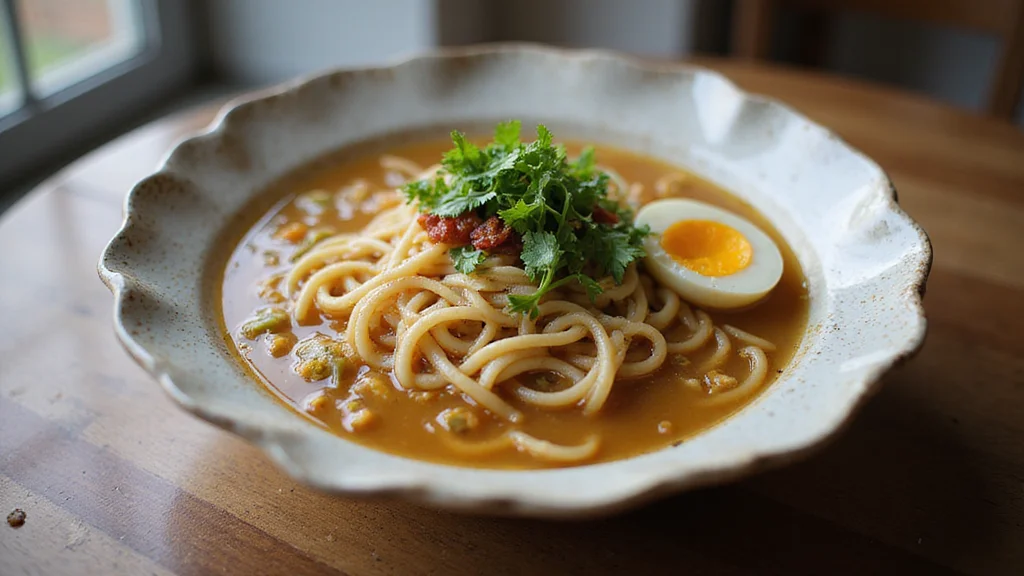
Grab yours for $4The allure of homemade ramen lies in its rich, savory broth and perfectly cooked noodles that captivate the senses.
This comforting dish has the power to transport you to bustling Japanese streets with each flavorful slurp.
I first fell in love with ramen during a chilly winter in Tokyo, where a steaming bowl provided warmth and comfort.
The complexity of flavors, from umami-rich broth to tender toppings, makes it a culinary masterpiece worth mastering.
Whether you’re a seasoned cook or a curious beginner, making homemade ramen is a rewarding journey into Japanese cuisine.
The History and Cultural Significance
• Homemade Ramen traces its origins to China, where it was originally created by Chinese immigrants in Japan during the late 19th century.
• The dish evolved over decades as Japanese chefs adapted it to local tastes, introducing miso and soy sauce-based broths.
• In Japan, this dish traditionally appears in casual dining settings, symbolizing comfort and nourishment.
• While many variations exist across different regions, the authentic version maintains a delicate balance of flavors and textures that sets it apart from imitations.



Recipe Overview
Nutritional Information (per serving)


Essential Equipment Guide
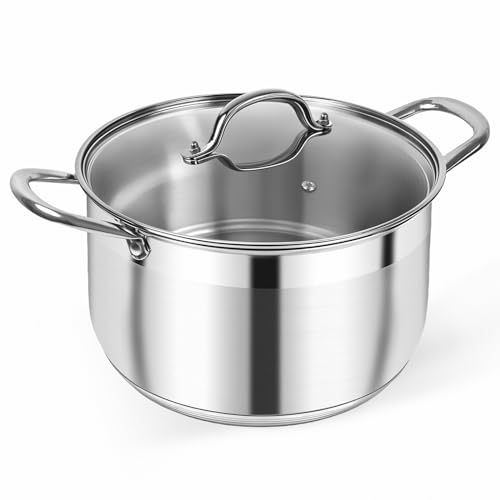
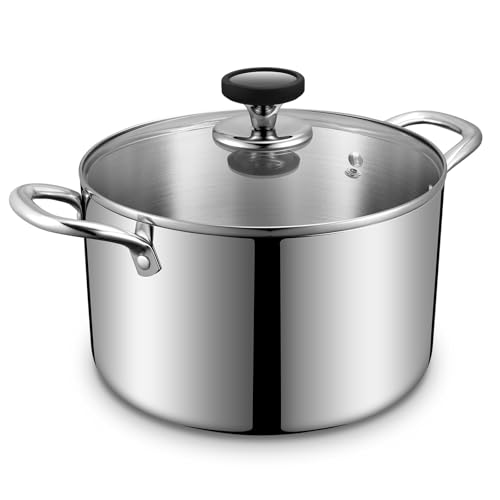
Large Stockpot: A large stockpot is crucial for simmering the broth evenly and extracting flavors from the ingredients. A heavy-bottomed pot helps prevent scorching and maintains a consistent temperature.
Fine Mesh Strainer: This tool is important for ensuring a clear and smooth broth by removing any impurities or solids. Alternatives like cheesecloth can also work.
Mandoline Slicer: A mandoline slicer is useful for achieving uniform slices of vegetables and toppings, enhancing both presentation and cooking consistency.


Ingredients
For the Broth
|
|
| Amount | Ingredient | Notes |
|---|---|---|
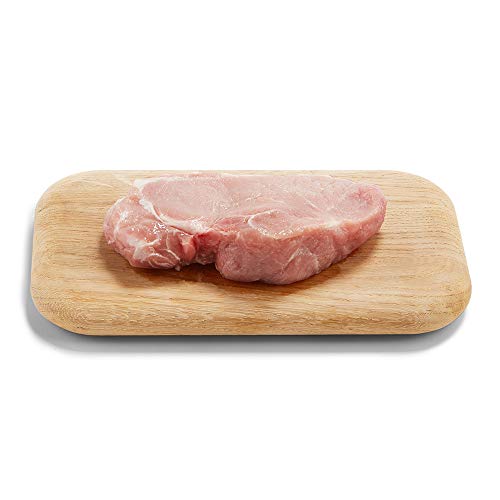
| 1 pound | pork bones | provides depth and richness |
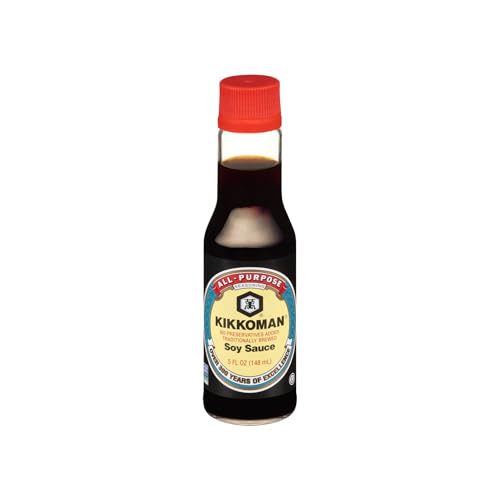
| 2 tablespoons | soy sauce | adds umami and color |
| 1 tablespoon | miso paste | introduces a subtle sweetness |
For the Noodles
| Amount | Ingredient | Notes |
|---|---|---|
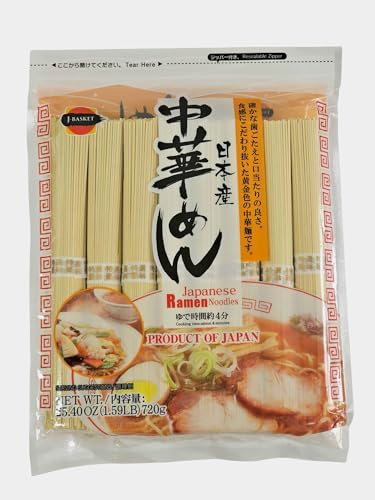
| 12 ounces | fresh ramen noodles | cooked for a chewy texture |
Toppings
| Amount | Ingredient | Notes |
|---|---|---|
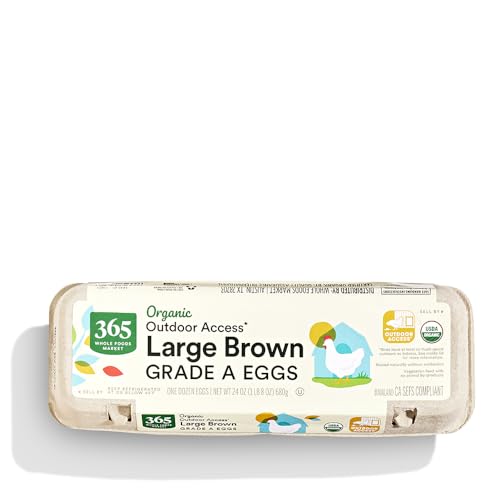
| 4 | soft-boiled eggs | halved, runny yolk preferred |
| 1 cup | sliced scallions | adds freshness and color |
| 4 sheets | nori | cut into strips, for umami flavor |



Preparation Methods
Simmering Broth: Slowly simmering the broth on low heat extracts maximum flavor from the bones and aromatics. This process is essential for a rich, full-bodied broth. Skim any impurities that rise to the surface for clarity.
Soft-Boiling Eggs: Cook eggs in boiling water for precise timing to achieve a tender white and runny yolk. Shock in ice water to stop cooking and peel easily.
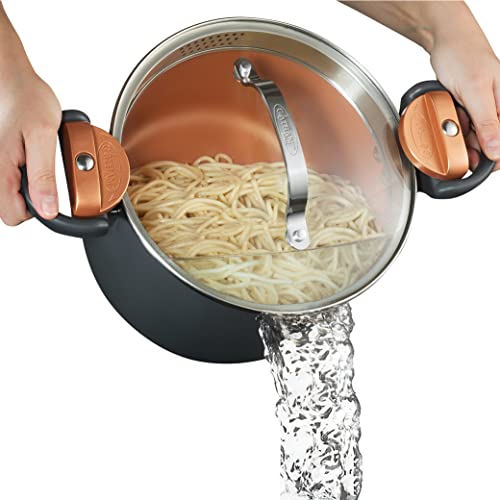
Noodle Cooking: Cook noodles separately in boiling water until just tender, then rinse under cold water to stop cooking and remove excess starch.


Step 1: Prepare Ingredients
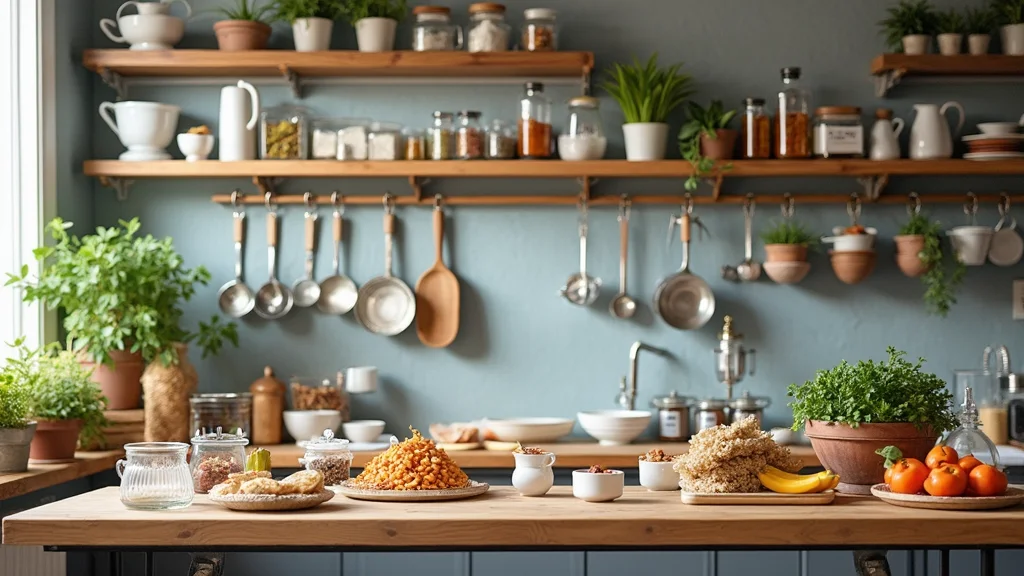
Gather all the ingredients and equipment needed for the recipe.
Measure and organize ingredients into categories for the broth, noodles, and toppings.
Ensure pork bones are rinsed to remove impurities.
Slice scallions and prepare nori strips for garnish.
Step 2: Make the Broth
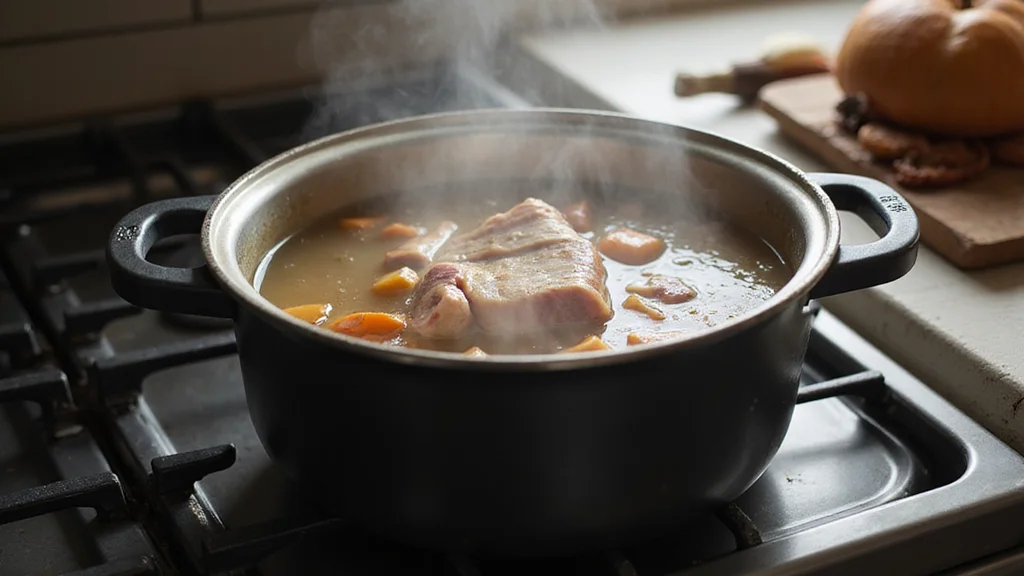
Place pork bones in a large stockpot and cover with water.
Bring to a boil and then reduce to a simmer, skimming off any impurities that rise to the surface.
Add soy sauce, miso paste, and aromatics to the pot.
Allow to simmer gently for about 60 minutes to develop flavor.
Step 3: Strain the Broth
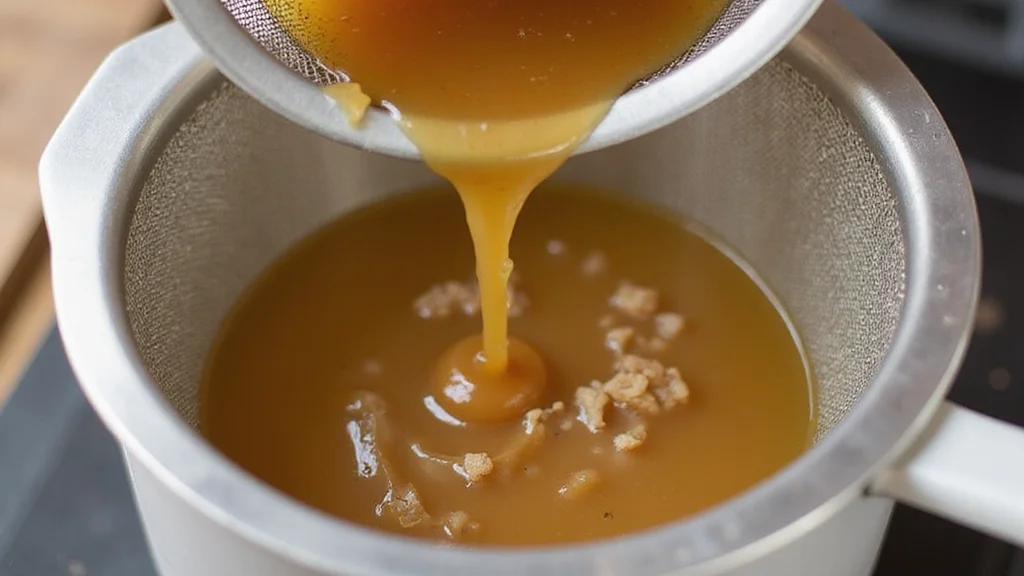
After simmering, remove the stockpot from heat.
Use a fine mesh strainer to strain the broth into another pot, discarding solids.
Ensure the broth is clear and free of impurities.
Taste and adjust seasoning if necessary.
Step 4: Cook the Noodles
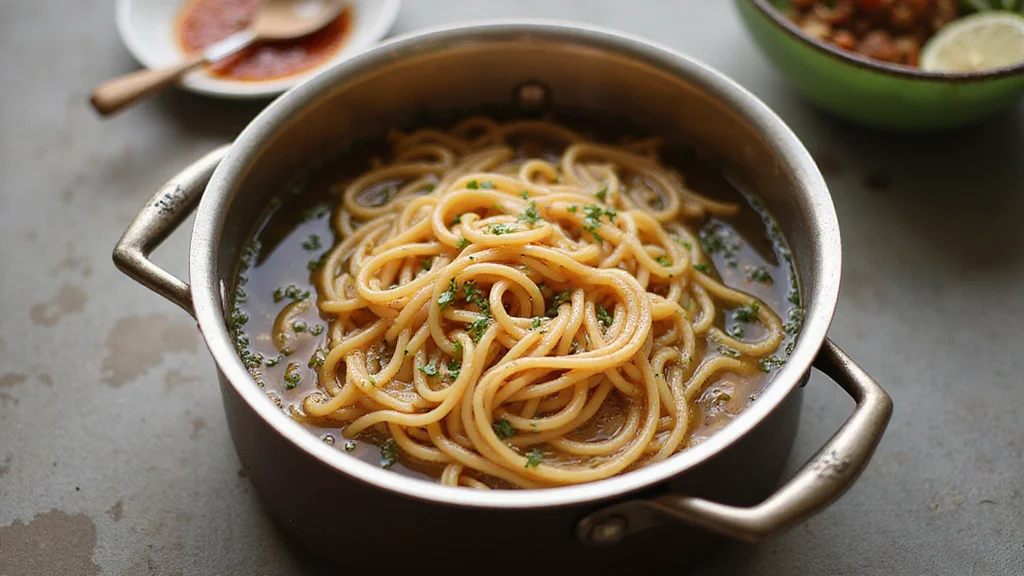
Bring a separate pot of water to a rolling boil.
Add fresh ramen noodles and cook according to package instructions, usually 2-3 minutes.
Rinse noodles under cold water to stop cooking and remove starch.
Drain well and set aside.
Step 5: Soft-Boil the Eggs
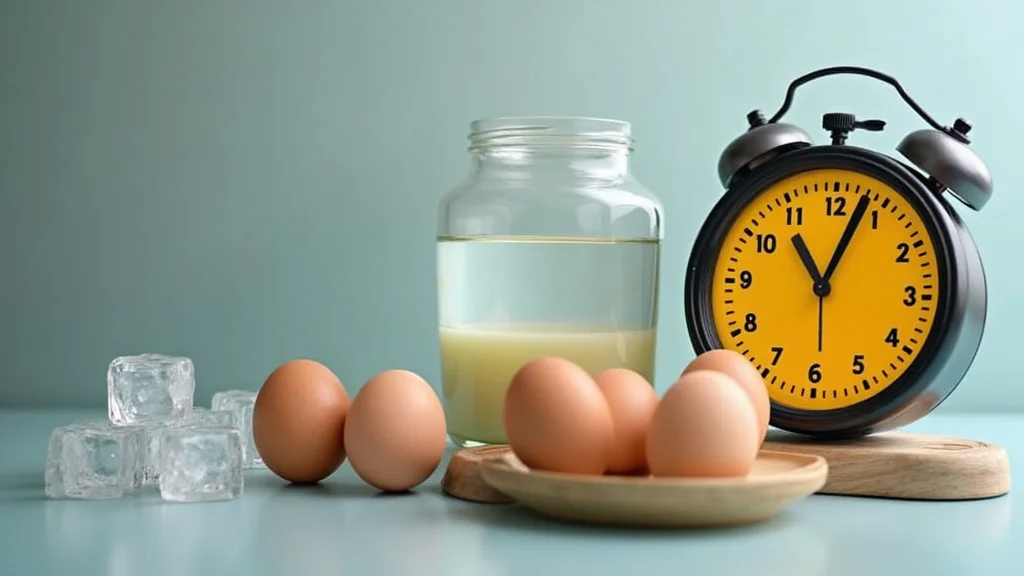
Bring a small pot of water to a boil and gently add eggs.
Boil for exactly 6 minutes for a soft yolk.
Transfer eggs to an ice bath to cool rapidly.
Peel eggs carefully and slice in half.
Step 6: Assemble the Ramen Bowls
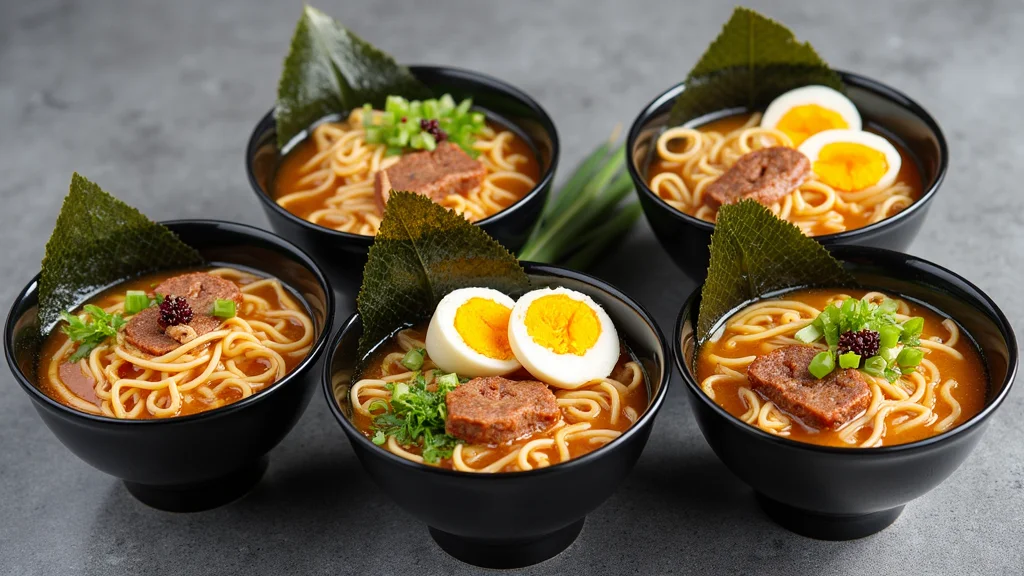
Divide cooked noodles evenly into serving bowls.
Ladle hot broth over the noodles until just covered.
Arrange soft-boiled egg halves, scallions, and nori on top.
Ensure each bowl is visually balanced and appealing.


Step 7: Garnish and Serve
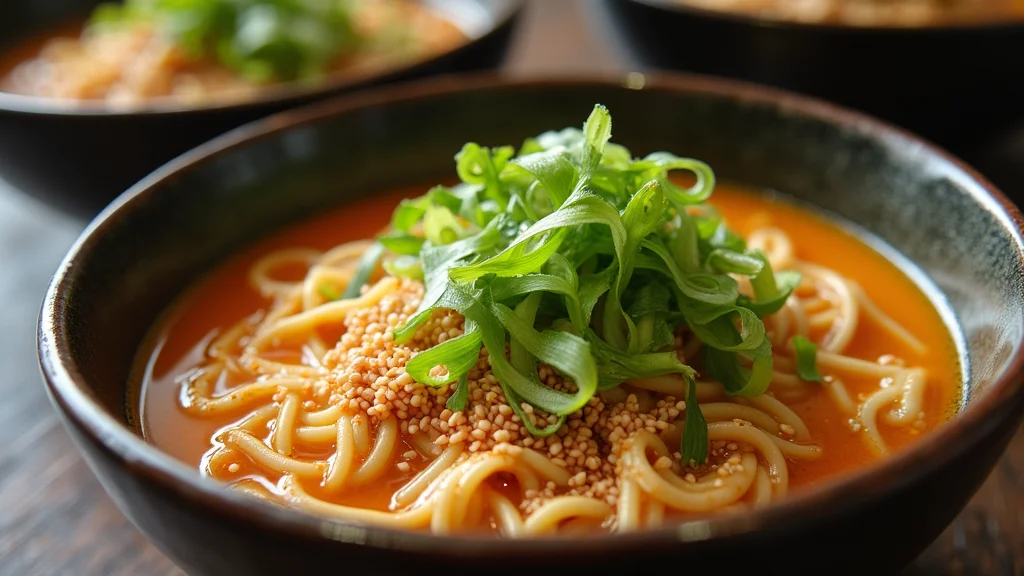
Add any additional toppings such as sesame seeds or chili oil if desired.
Ensure each bowl has a good mix of colors and textures.
Serve immediately while hot for the best experience.
Encourage diners to mix ingredients as they eat.


Step 8: Enjoy Your Homemade Ramen
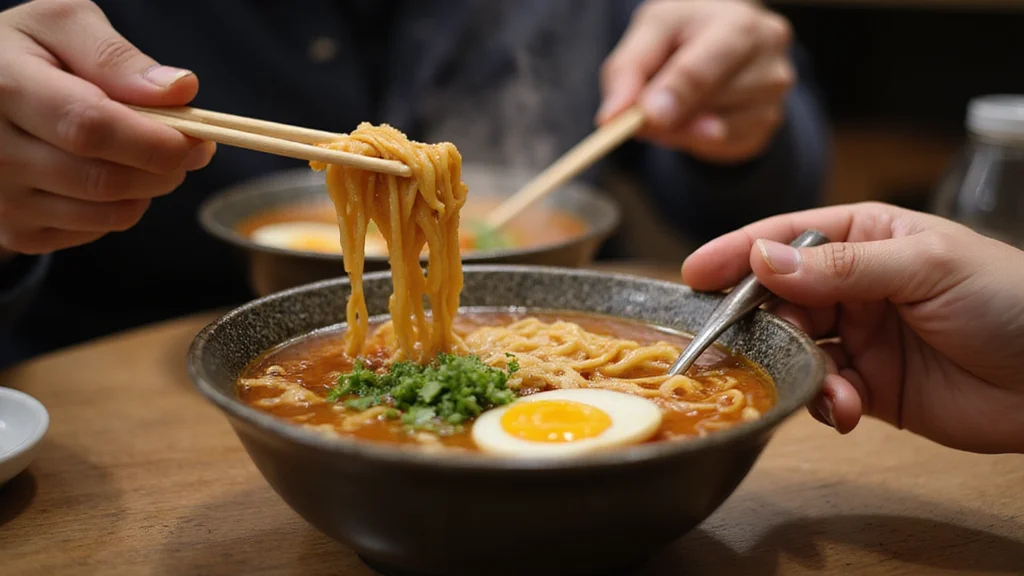
Provide chopsticks and spoons for enjoying the ramen.
Encourage diners to savor the broth and noodle combination.
Notice the depth of flavor from the homemade broth.
Relish the textures from tender noodles and soft eggs.
Critical Timing and Temperature Guide
Broth Simmering: Simmer for 60 minutes at a low temperature to fully extract flavors. Avoid boiling to prevent cloudiness.
Egg Boiling: 6 minutes at a rolling boil for a perfect soft yolk. Immediately transfer to ice bath to halt cooking.
Noodle Cooking: 2-3 minutes in boiling water until just tender. Rinse in cold water to stop cooking and prevent sticking.
Pro Tips for Homemade Ramen
• Ingredient Selection: Choose fresh, high-quality ramen noodles and premium soy sauce for the best flavors.
• Preparation Secret: Rinse noodles in cold water after cooking to enhance their chewy texture.
• Temperature Management: Maintain a low simmer for the broth to prevent cloudiness and ensure clarity.
• Texture Enhancement: Use fresh noodles for a superior texture compared to dried or instant varieties.
• Flavor Layering: Add a splash of mirin for sweetness and depth in the broth.
• Make-Ahead Strategies: Broth can be made a day ahead and refrigerated. Reheat gently before serving.
• Restaurant-Quality Finishing Touches: Garnish with sliced nori and sesame seeds for a professional touch.
• Equipment Optimization: Use a ladle with a spout to pour broth neatly into bowls without spilling.
Troubleshooting Common Issues
• Cloudy Broth: Caused by boiling the broth too vigorously. Always simmer gently and skim impurities regularly.
• Overcooked Noodles: Recognize by mushy texture. Cook noodles separately and rinse under cold water to stop cooking.
• Undercooked Eggs: Recognize by overly runny whites. Cook for exactly 6 minutes and use an ice bath to stop cooking.
• Flavors Too Salty: Caused by excessive soy sauce. Dilute broth with water and adjust seasonings gradually.
• Noodles Clumping: Prevent by rinsing noodles in cold water and tossing with a little sesame oil.
• Broth Lacks Depth: Remedy by allowing more simmering time and adding aromatics like garlic and ginger.
Variations and Regional Differences
• Shoyu Ramen: Features a soy sauce-based broth with a clearer appearance and lighter flavor compared to miso ramen.
• Miso Ramen: Includes miso paste in the broth for a richer, more complex flavor with a slightly creamy texture.
• Tonkotsu Ramen: Known for its rich, creamy pork bone broth achieved through long hours of simmering.
• Hakata Ramen: Uses thin, straight noodles and is often served with a milky, pork-bone broth unique to Fukuoka.
Food Science Behind the Recipe
• Gelatin Formation: Slow simmering of bones releases collagen, which turns into gelatin, giving the broth its rich mouthfeel.
• Maillard Reaction: Browning of meat and aromatics enhances flavors through chemical reactions between amino acids and sugars.
• Umami Enhancement: Ingredients like soy sauce and miso add umami, which enhances the savory taste profile of the broth.
Frequently Asked Questions
What's the most common mistake people make when preparing homemade ramen? Overboiling the broth, which can cause cloudiness and affect flavor.
Can I use dried noodles instead of fresh? Yes, but fresh noodles offer a better texture and flavor in homemade ramen.
How can I make vegan ramen? Use vegetable broth and replace meat toppings with tofu and mushrooms.
What is the best way to store leftover broth? Cool the broth completely and store in airtight containers in the fridge for up to 3 days.
Why are my noodles clumping together? Rinse them in cold water after cooking to prevent sticking and clumping.
Is it necessary to use pork bones for the broth? Pork bones add depth, but chicken or vegetable broth can also be used for different flavor profiles.
How do I achieve a rich and creamy broth? Simmer pork bones for extended periods to extract collagen, resulting in a creamy texture.
Serving and Presentation Guide
• Traditional Presentation: Serve in deep bowls with toppings neatly arranged on top, showcasing the variety of colors and textures.
• Modern Twist: Use wide, shallow bowls for a contemporary look, with toppings artistically scattered.
• Family Style: Serve noodles and broth separately, allowing diners to build their own bowls with preferred toppings.
• Garnish Showcase: Highlight fresh herbs and garnishes by stacking them prominently on the side of the bowl.
Conclusion
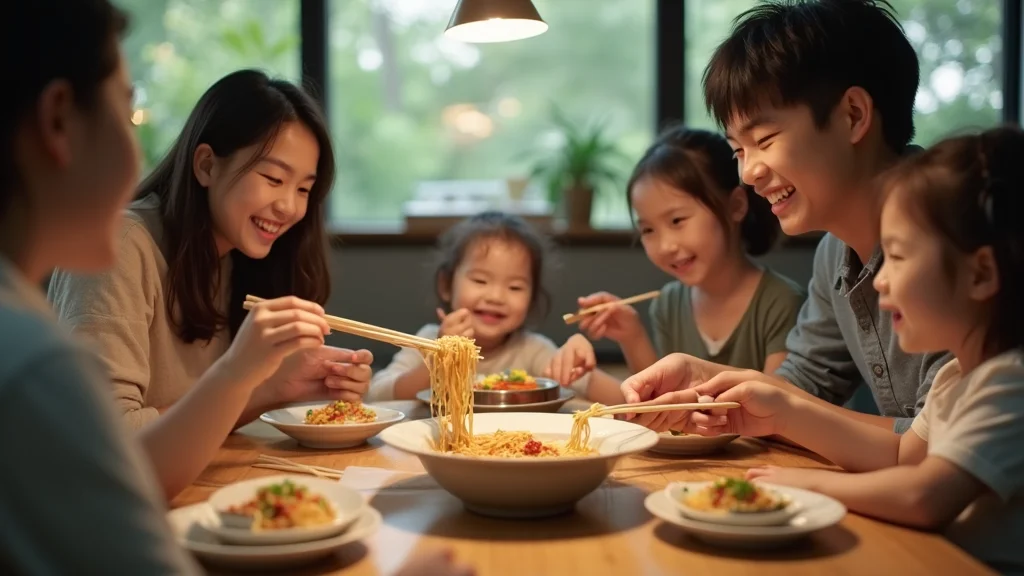
Making homemade ramen is a delightful culinary adventure that brings a taste of Japan to your kitchen.
With patience and practice, each bowl becomes a testament to the art of balancing flavors and textures.
Now is the perfect time to embark on this flavorful journey and impress your family and friends with your ramen skills.


