

Slow Cooker Recipes: Easy Meals, Less Effort!
Family-friendly dishes for busy people — quick prep, delicious results.
Grab yours for $4The vibrant green of fresh beans signals the arrival of spring, bringing a burst of freshness to our plates.
Green beans, with their crisp texture and mild, slightly sweet flavor, are among the most versatile vegetables in the kitchen.
Whether nestled beside a Thanksgiving turkey or accompanying a simple weekday meal, these green bean side dishes are always a crowd-pleaser.
From classic casseroles to innovative stir-fries, there’s a recipe here that will delight every member of your family.
Discover the joy of cooking with green beans, as each dish offers a unique taste of tradition and innovation.
The History and Cultural Significance
• Green Bean Recipes trace their origins to the Americas, where they were cultivated by indigenous peoples long before Europeans arrived.
• The dish evolved over decades as European settlers incorporated them into their diets, often using traditional European cooking techniques.
• In American culture, green beans traditionally appear at Thanksgiving and Christmas dinners, symbolizing abundance and family unity.
• While many variations exist across different regions, the authentic version maintains a crisp texture that sets it apart from imitations.
Recipe Overview
Nutritional Information (per serving)


Essential Equipment Guide
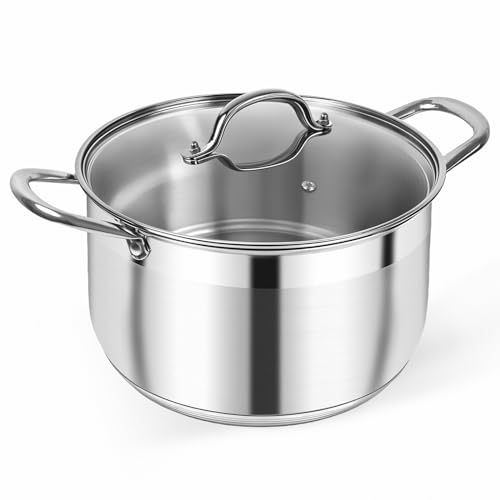
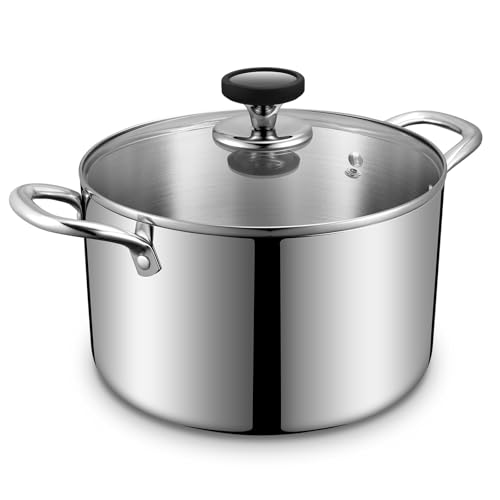
Sauté Pan: A good sauté pan is crucial for evenly cooking the beans while retaining their vibrant color. Alternatives like a large frying pan can work, but ensure it has a lid for steaming purposes.
Colander: Essential for draining beans after blanching, which helps maintain their bright color and crispness. Look for one with fine holes to prevent beans from falling through.
Sharp Knife: A sharp knife ensures clean cuts for uniform pieces, which promotes even cooking. Avoid serrated knives as they can bruise the delicate beans.



Ingredients
Vegetables
|
|
| Amount | Ingredient | Notes |
|---|---|---|
| 1 pound | green beans | trimmed, for crisp texture |
| 1 medium | onion | thinly sliced, adds sweetness |
For the Sauce
| Amount | Ingredient | Notes |
|---|---|---|
| 2 tablespoons | olive oil | adds richness |
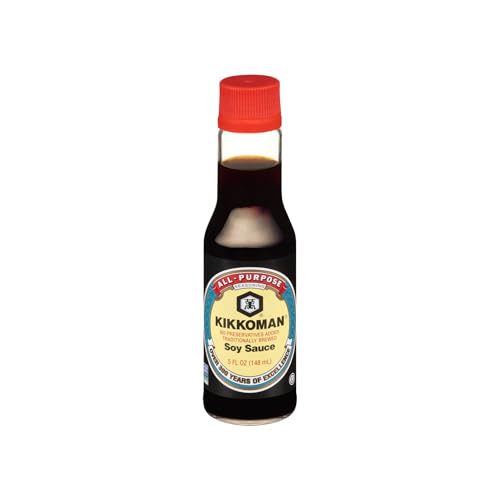
| 1 tablespoon | soy sauce | for umami flavor |
Seasonings
| Amount | Ingredient | Notes |
|---|---|---|
| 1 teaspoon | salt | enhances flavor |
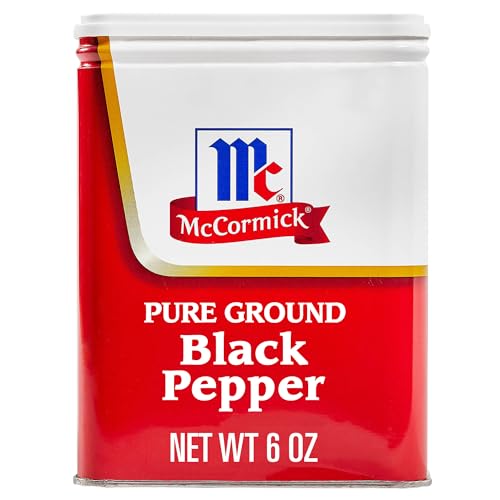
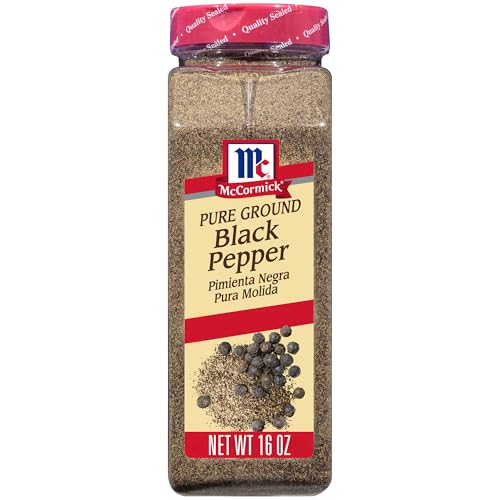
| 1 teaspoon | pepper | adds mild heat |
Garnish
| Amount | Ingredient | Notes |
|---|---|---|
| 2 tablespoons | toasted almonds | adds crunch |



Preparation Methods
Blanching: This technique involves briefly boiling the beans and then plunging them into ice water. It helps set the color and texture, making the beans crisp-tender. Ensure water is at a rapid boil and use plenty of ice in the water bath for best results.
Sautéing: Sautéing in olive oil brings out the natural sweetness of the beans. Use medium-high heat and keep the beans in constant motion to prevent burning and ensure even cooking.
Tossing: Properly tossing the beans with sauce ensures an even coating of flavors. Use a large bowl to give enough room for the beans to move, and toss gently to avoid breaking them.
Step 1: Prepare Ingredients
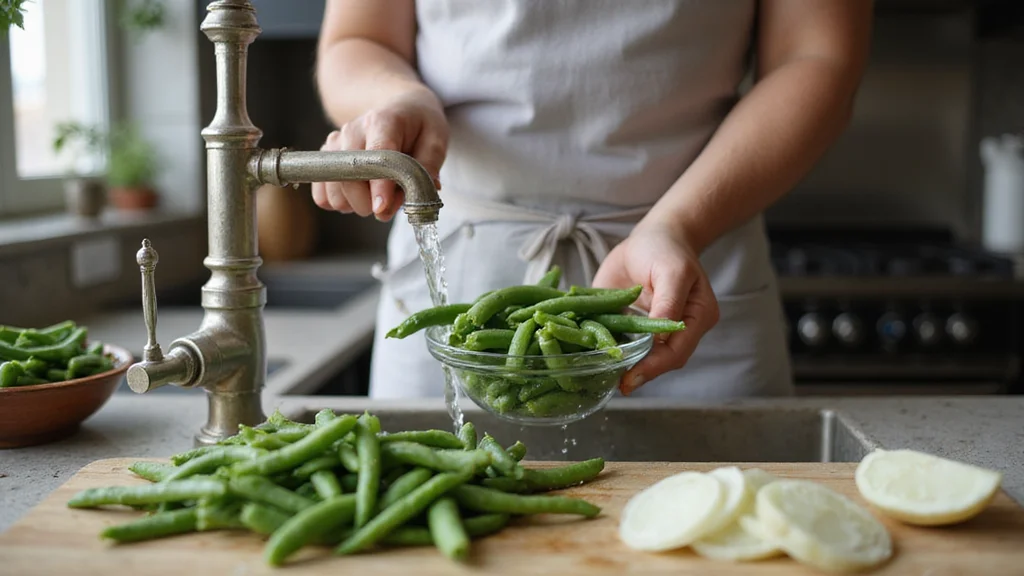
Start by washing the green beans under cold running water.
Trim the ends off the beans using a sharp knife for a clean cut.
Slice the onion thinly, ensuring even pieces for uniform cooking.
Set aside the prepared vegetables in separate bowls.




Step 2: Blanch the Green Beans
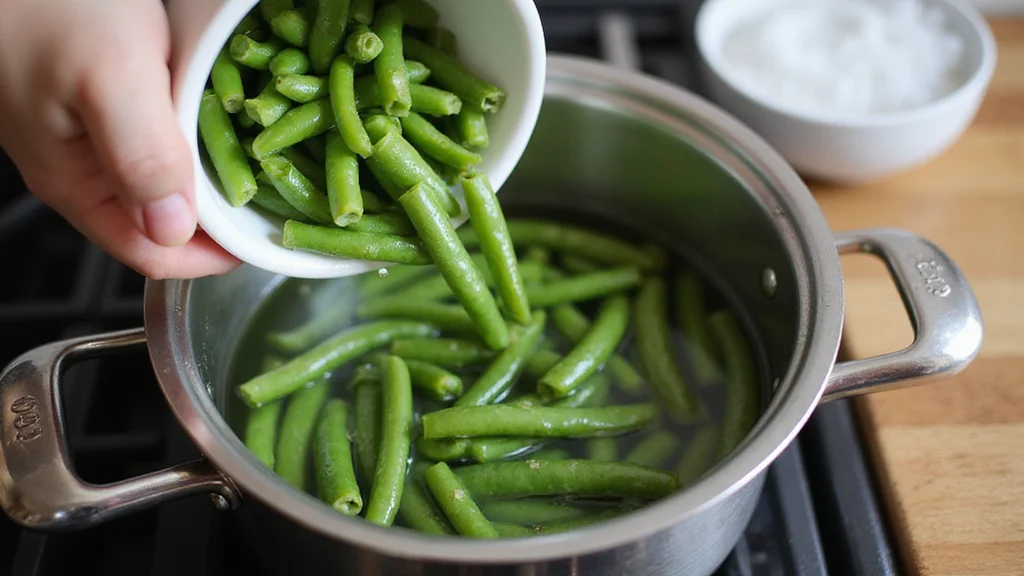
Bring a large pot of salted water to a boil over high heat.
Add the green beans and cook for 2-3 minutes until bright green and crisp-tender.
Immediately remove the beans and plunge them into a bowl of ice water.
Let them sit for a minute to stop cooking, then drain in a colander.



Step 3: Heat the Pan
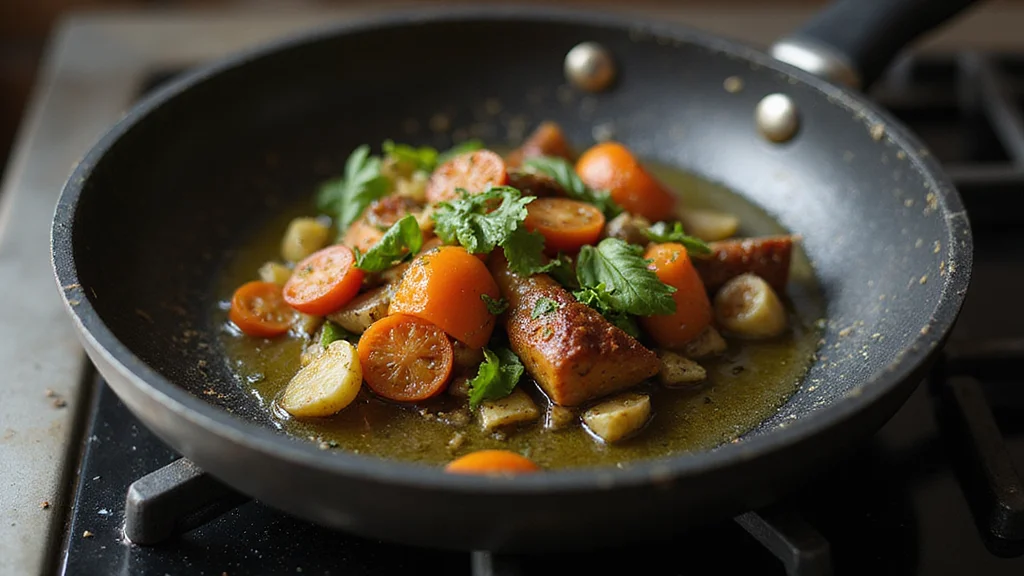
Place a sauté pan over medium-high heat and add olive oil.
Allow the oil to heat until shimmering, indicating it's ready for cooking.
Swirl the pan to coat the bottom evenly with oil.
Ensure the pan is hot enough to sear the vegetables quickly without burning.
Step 4: Sauté Onions
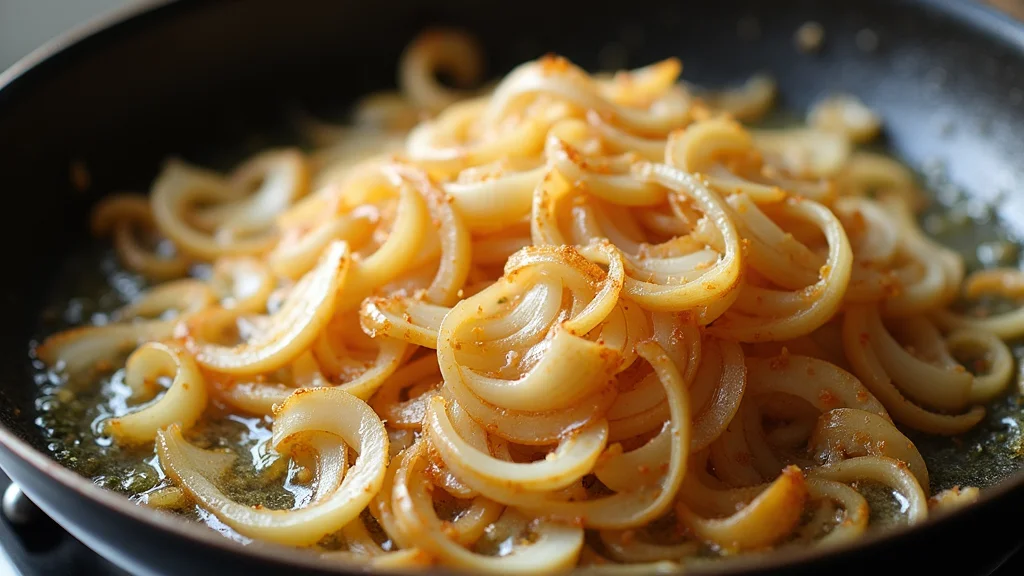
Add the sliced onions to the heated pan.
Sauté for 3-4 minutes, stirring frequently, until they become translucent and slightly caramelized.
Adjust the heat if necessary to avoid burning.
Remove onions from the pan and set aside once done.
Step 5: Sauté Green Beans
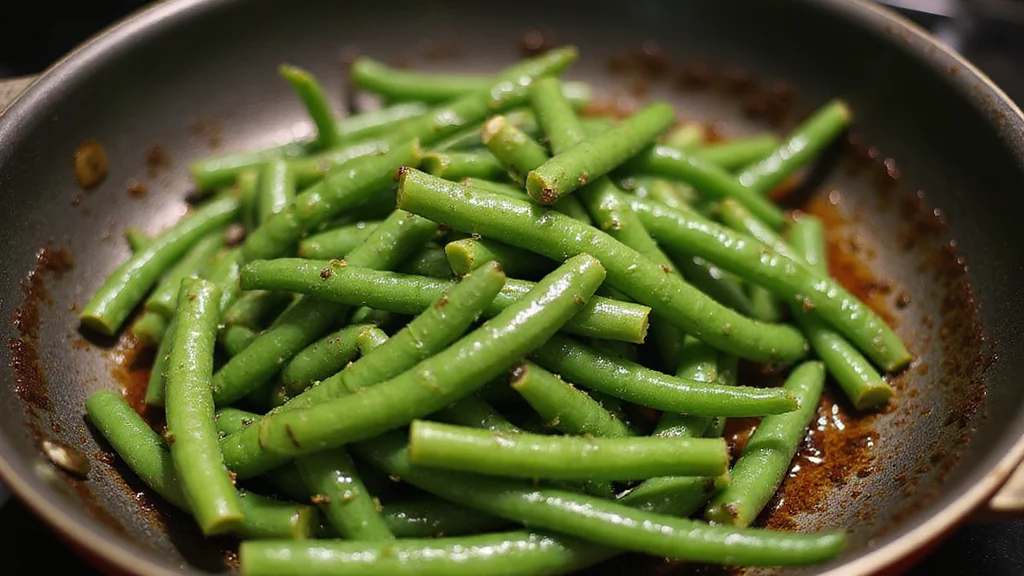
Add the drained green beans to the pan.
Sauté for 5 minutes, tossing occasionally, until they are heated through and slightly blistered.
Ensure beans are evenly distributed in the pan for uniform cooking.
Lower heat if beans begin to brown too quickly.
Step 6: Add Seasonings
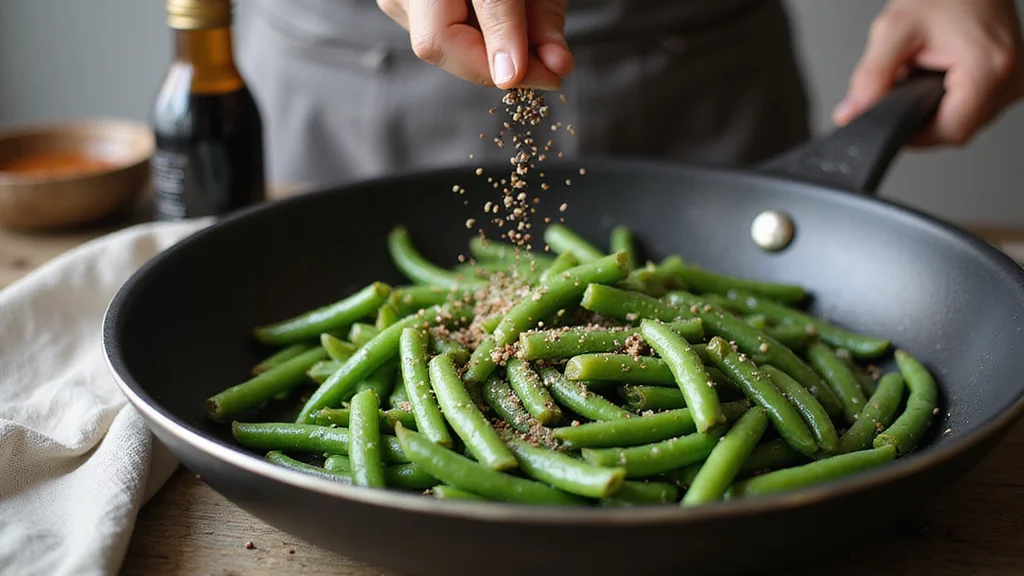
Sprinkle salt and pepper over the sautéed beans.
Drizzle soy sauce over the beans, stirring to coat evenly.
Return the sautéed onions to the pan, mixing them with the beans.
Taste and adjust seasoning if needed, ensuring a balanced flavor.



Step 7: Toast Almonds
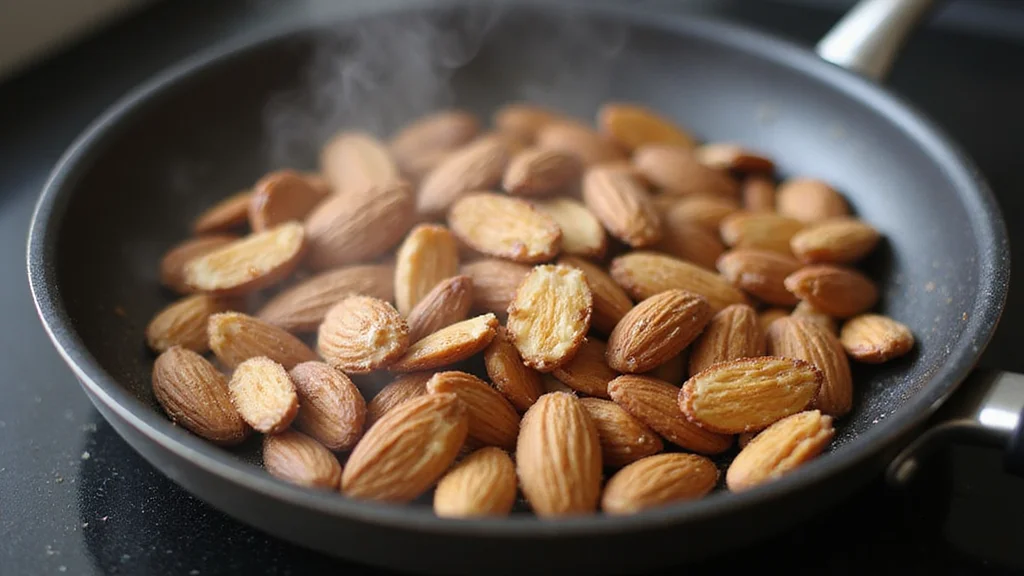
In a separate dry pan, add sliced almonds over medium heat.
Toast for 2-3 minutes, stirring frequently until golden brown.
Be cautious not to burn the almonds, as they can brown quickly.
Remove from heat and set aside as a garnish.
Step 8: Serve and Garnish
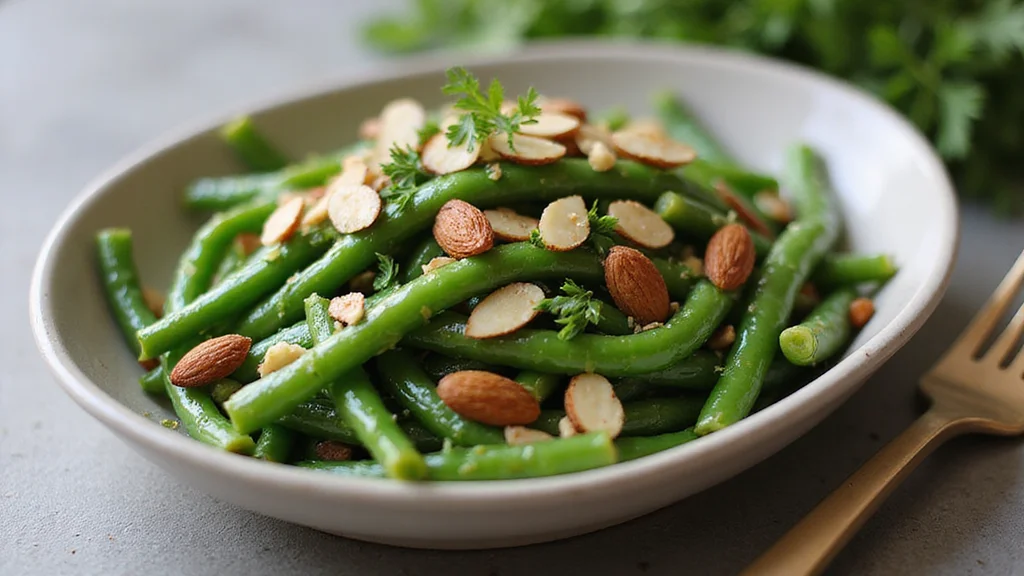
Transfer the cooked green beans and onions to a serving dish.
Sprinkle toasted almonds over the top for added crunch.
Garnish with a few fresh herbs like parsley if desired.
Serve immediately to enjoy the best flavor and texture.
Critical Timing and Temperature Guide
Blanching: Boil beans for exactly 2-3 minutes. Look for bright green color as an indicator. Avoid overcooking to prevent a mushy texture.
Sautéing: Maintain medium-high heat to ensure quick cooking. Watch for slight blistering as a sign of readiness. Avoid overcrowding the pan.
Toasting Almonds: Keep heat medium and stir constantly. Look for golden color. Be vigilant as they can burn rapidly.
Pro Tips for Green Bean Recipes
• Ingredient Selection: Choose fresh, vibrant green beans with no blemishes and a firm texture. These will provide the best flavor and crunch.
• Preparation Secret: Always blanch beans before sautéing to lock in color and texture. This step is often skipped but crucial for quality.
• Temperature Management: Ensure the pan and oil are hot before adding vegetables. This prevents steaming and promotes browning.
• Texture Enhancement: Use a quick ice bath after blanching to set the bean's texture. This step helps maintain crispness.
• Flavor Layering: Combine sautéed onions and soy sauce for a sweet-savory contrast that enhances the beans' natural flavors.
• Make-Ahead Strategies: Blanch beans ahead of time and store them in the fridge. Reheat in the pan right before serving for optimal freshness.
• Restaurant-Quality Finishing Touches: Finish with toasted nuts or a squeeze of lemon juice to add complexity and elevate the dish.
• Equipment Optimization: Use what you have at home, but ensure pans are non-stick and knives are sharp for best results.



Troubleshooting Common Issues
• Beans Too Soggy: Caused by overcooking during blanching or sautéing. Ensure blanching time is short and ice bath is used immediately afterward.
• Flavor Too Bland: Often due to under-seasoning. Taste at each stage and adjust salt, pepper, and soy sauce as needed.
• Almonds Burnt: Happens quickly if heat is too high. Toast at medium heat and stir constantly to prevent burning.
• Beans Not Blistering: Caused by overcrowding the pan or low heat. Sauté in batches and ensure pan is hot enough before adding beans.
• Uneven Cooking: Results from uneven slicing of vegetables. Use a sharp knife for consistent cuts and even cooking.



Variations and Regional Differences
• Southern Style: Often includes bacon or ham for added flavor. Beans are cooked longer for a softer texture and are traditionally served at family gatherings.
• Asian Stir-Fry: Incorporates ingredients like garlic, ginger, and sesame oil. Beans are stir-fried with a variety of vegetables for a quick, flavor-packed dish.
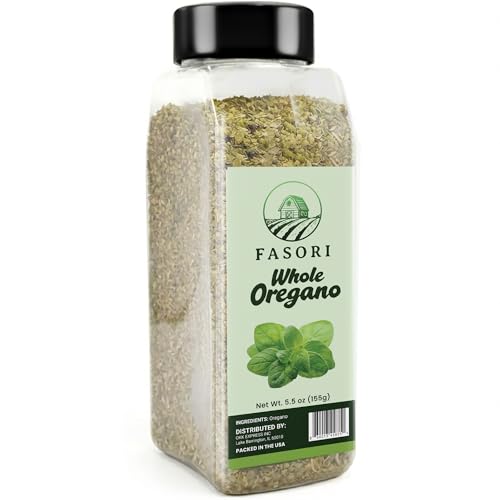
• Mediterranean Style: Features tomatoes, olives, and herbs like oregano. This version is often served cold as a salad.
• French Haricot Vert: Uses thinner beans, known as haricot vert, which are sautéed with shallots and finished with butter for a delicate dish.



Food Science Behind the Recipe
• Maillard Reaction: This chemical reaction occurs during sautéing, enhancing flavor and creating a desirable golden-brown color on the beans and onions.
• Enzyme Inactivation: Blanching inactivates enzymes that cause vegetables to lose color and texture over time, preserving the beans' vibrant green hue.
• Heat Transfer: Understanding conduction is key to evenly cooking the vegetables. Proper heat management ensures all ingredients are cooked through without burning.
Frequently Asked Questions
What's the most common mistake people make when preparing green bean recipes? Overcooking during blanching or sautéing, leading to soggy beans.
How can I keep my green beans bright green? Blanch them briefly and use an ice bath immediately after to stop cooking and set the color.
Can I use frozen green beans? Yes, but they may have a softer texture. Thaw and dry thoroughly before using.
How do I add more flavor to my green beans? Incorporate ingredients like garlic, onions, or a squeeze of lemon juice to enhance the flavor.
Why are my almonds burning so quickly? Toast them over medium heat and stir constantly to prevent burning.
Can I make this dish vegan? Absolutely, just ensure to use plant-based alternatives for any non-vegan ingredients.
What can I substitute for soy sauce? Use tamari for a gluten-free option or coconut aminos for a soy-free alternative.
How do I store leftovers? Store in an airtight container in the refrigerator for up to 3 days. Reheat gently to avoid overcooking.
Serving and Presentation Guide
• Traditional Presentation: Serve the beans in a shallow bowl with toasted almonds sprinkled on top, allowing the vibrant green to stand out.
• Rustic Style: Arrange on a wooden platter with a scattering of herbs for a natural, earthy presentation.
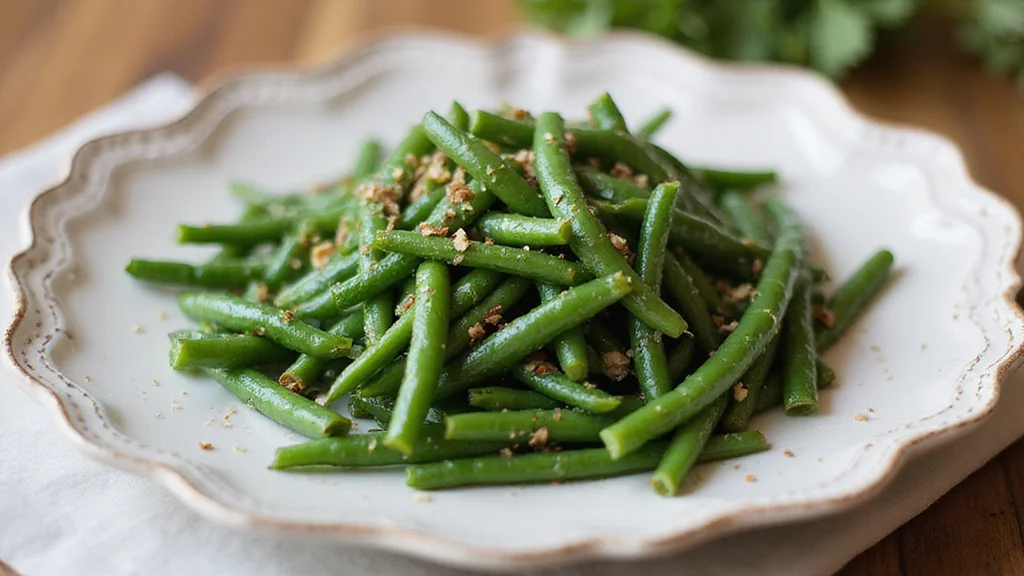
• Modern Plating: Use a white plate to highlight the color contrast and place the beans in a neat pile with almonds artfully arranged.
• Family-Style: Serve directly from the pan at the table, encouraging a casual and approachable dining experience.
Conclusion
Green bean recipes offer a delightful balance of flavor and texture, making them a versatile side dish for any occasion.
With a few simple steps, you can transform this humble vegetable into a highlight of your meal.
Try these recipes and see how quickly they become a family favorite.
Enjoy the satisfaction of serving a dish that is both nourishing and delicious.


