Slow Cooker Recipes: Easy Meals, Less Effort!
Family-friendly dishes for busy people — quick prep, delicious results.
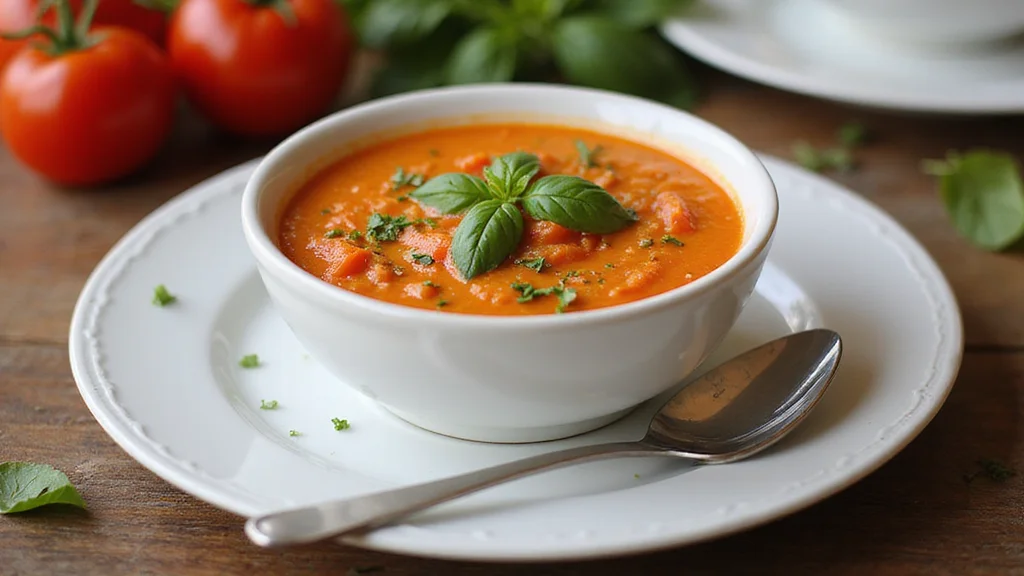
Grab yours for $4The creamy tomato basil soup is a comforting classic that brings warmth on chilly days.
Its rich and velvety texture combined with the fresh aroma of basil makes it irresistible.
I first fell in love with this soup during a visit to an Italian bistro in the heart of Tuscany.
The balance of tangy tomatoes and sweet cream creates a flavor profile that soothes the soul.
Perfect for a quick lunch or a cozy dinner, this soup is as easy to make as it is delicious.
With just a few ingredients and minimal effort, you’ll have a delightful meal ready in minutes.
The History and Cultural Significance
• Creamy Tomato Basil traces its origins to Italy, where it was originally created by home cooks as a way to use up ripe tomatoes and aromatic basil.
• The dish evolved over decades as cream was added to balance the acidity of the tomatoes, eventually becoming the beloved version we know today.
• In Italian culture, this dish traditionally appears at family gatherings and is a staple in many households, symbolizing comfort and warmth.
• While many variations exist across different regions, the authentic version maintains a smooth and creamy texture that sets it apart from imitations.




Recipe Overview
Nutritional Information (per serving)


Essential Equipment Guide
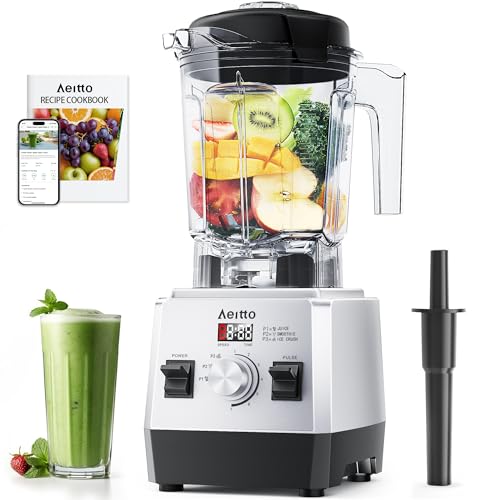
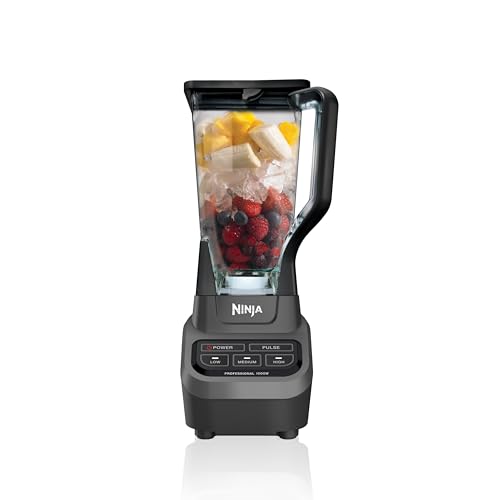
Blender: A blender is crucial for achieving the silky smooth texture of the soup. A high-speed blender ensures all ingredients are pureed to perfection, though an immersion blender can be a convenient alternative.
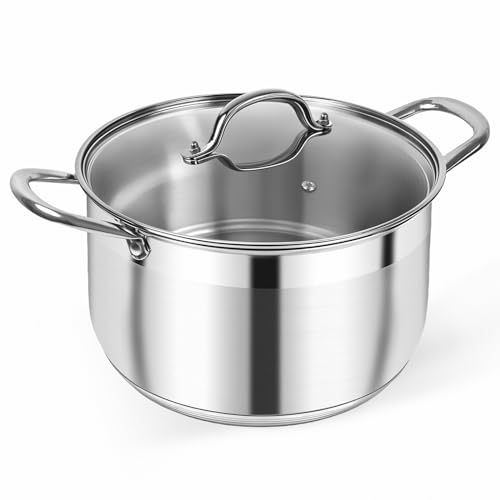
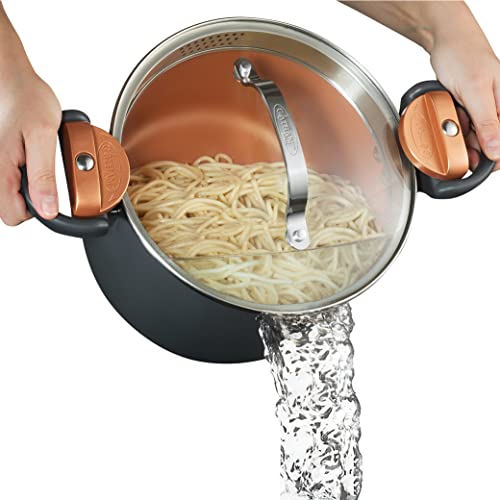
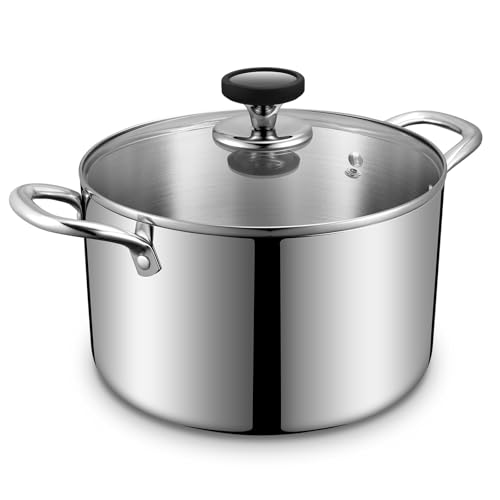
Large Saucepan: A large saucepan allows enough room for simmering the soup and blending flavors. Look for heavy-bottomed pans to prevent scorching.
Fine Mesh Strainer: This tool is vital for straining the soup to remove any remaining bits of tomato skin or seeds, ensuring a velvety finish. A chinois can be an upscale alternative.


Ingredients
For the Base
|
|
| Amount | Ingredient | Notes |
|---|---|---|
| 2 tablespoons | olive oil | adds richness |
| 1 large | onion | finely chopped |
Vegetables
| Amount | Ingredient | Notes |
|---|---|---|
| 5 cups | ripe tomatoes | chopped |
| 3 cloves | garlic | minced |
Seasonings
| Amount | Ingredient | Notes |
|---|---|---|
| 1 teaspoon | salt | enhances flavor |
| 1/2 teaspoon | black pepper | adds subtle heat |
| 1 cup | fresh basil leaves | adds aroma |
Additional
| Amount | Ingredient | Notes |
|---|---|---|
| 1 cup | heavy cream | for creaminess |
| 1 cup | vegetable broth | for depth |



Preparation Methods
Sweating: This technique involves cooking the onions and garlic in oil over low heat until they become translucent and aromatic, without browning. It's essential for building the soup's flavor base.
Blending: Blending the soup ensures a smooth and creamy texture. It's important to blend while the soup is warm, as it breaks down the fibers better and integrates the ingredients seamlessly.
Simmering: Gently simmering the tomatoes and broth allows the flavors to meld and develop depth. Maintaining a low simmer prevents the cream from curdling.
Step 1: Prepare Ingredients
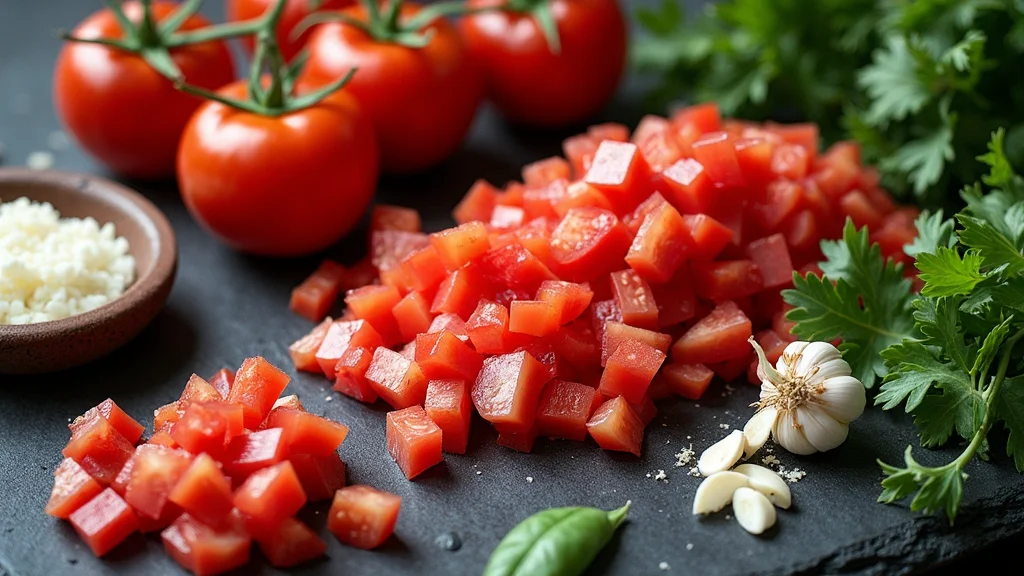
Gather all ingredients and ensure they are at room temperature.
Chop the tomatoes and onion, mince the garlic, and set aside.
Measure out the vegetable broth and cream in separate containers.
Have fresh basil leaves washed and ready for use.




Step 2: Sweat the Aromatics
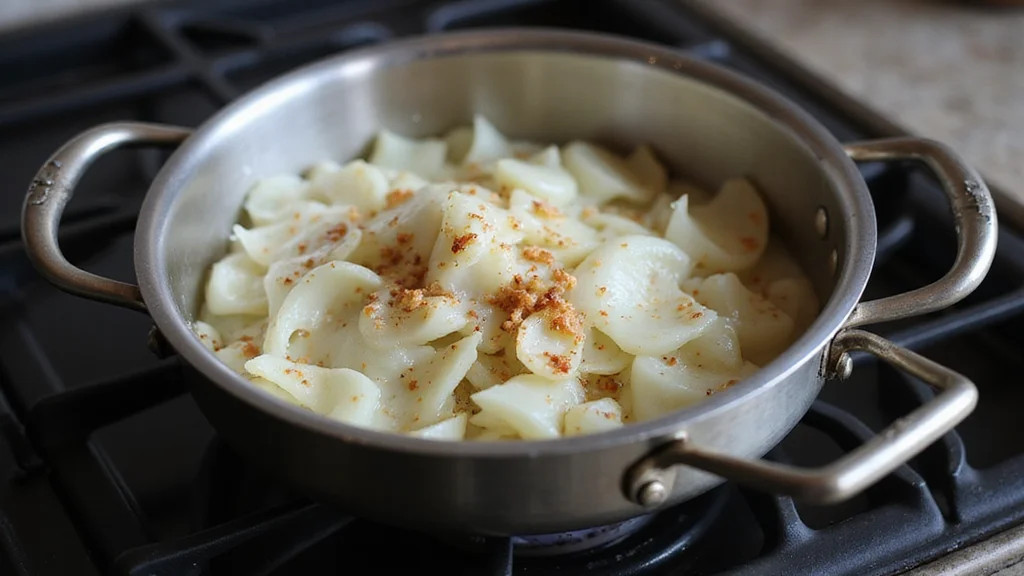
Heat olive oil in a large saucepan over medium heat.
Add chopped onions and minced garlic, stirring occasionally.
Cook until onions are translucent and garlic is fragrant, about 5 minutes.
Avoid browning the onions and garlic to keep flavors mild and sweet.
Step 3: Add Tomatoes
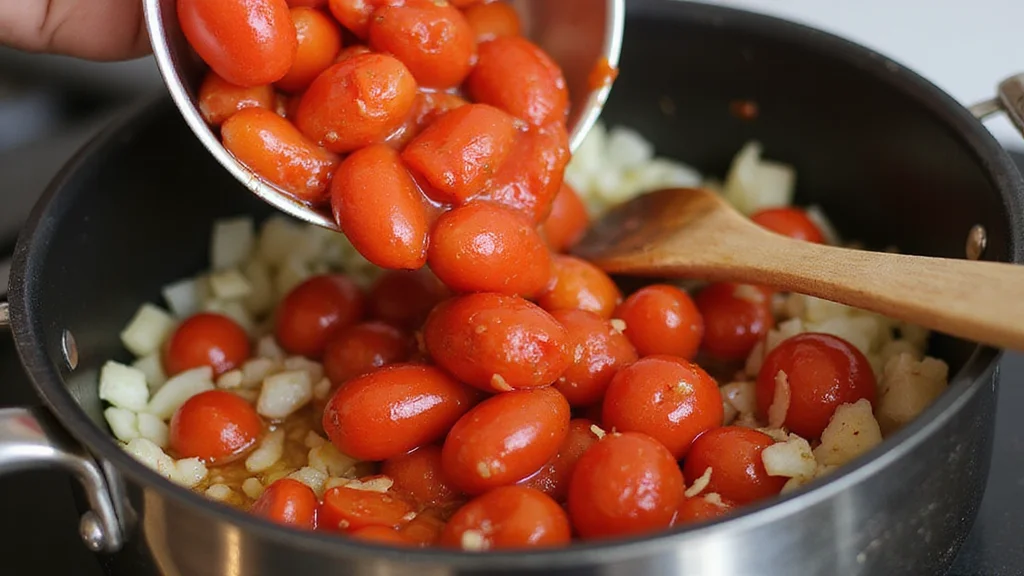
Add chopped tomatoes to the saucepan with the onions and garlic.
Stir well to combine and coat tomatoes with oil and aromatics.
Cook for another 5 minutes until tomatoes begin to soften.
Ensure tomatoes are releasing their juices as they cook.
Step 4: Simmer the Soup
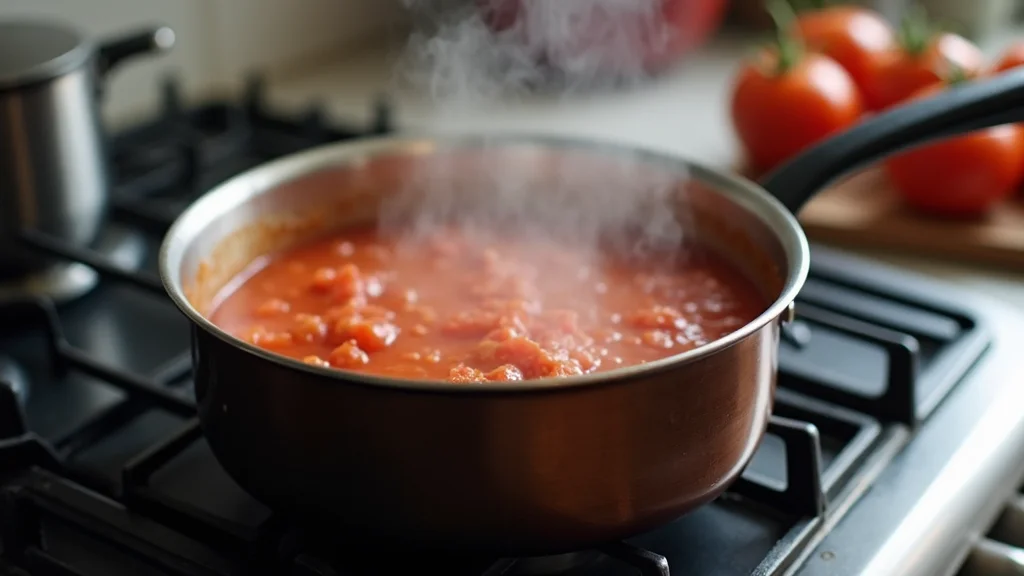
Pour in the vegetable broth and bring the mixture to a gentle simmer.
Add salt and black pepper, stirring to distribute evenly.
Reduce heat to low and simmer for 10 minutes to concentrate flavors.
Stir occasionally to prevent sticking and ensure even cooking.



Step 5: Blend the Soup
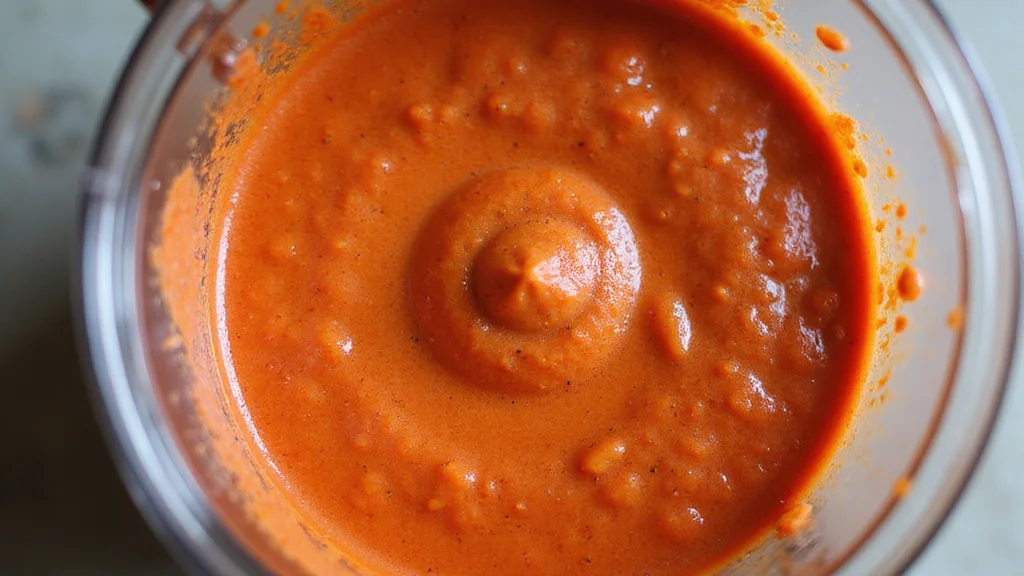
Carefully transfer the soup mixture to a blender, working in batches if necessary.
Blend on high speed until completely smooth and creamy.
Return the blended soup to the saucepan on low heat.
Use an immersion blender directly in the pot as an alternative method.


Step 6: Add Cream and Basil
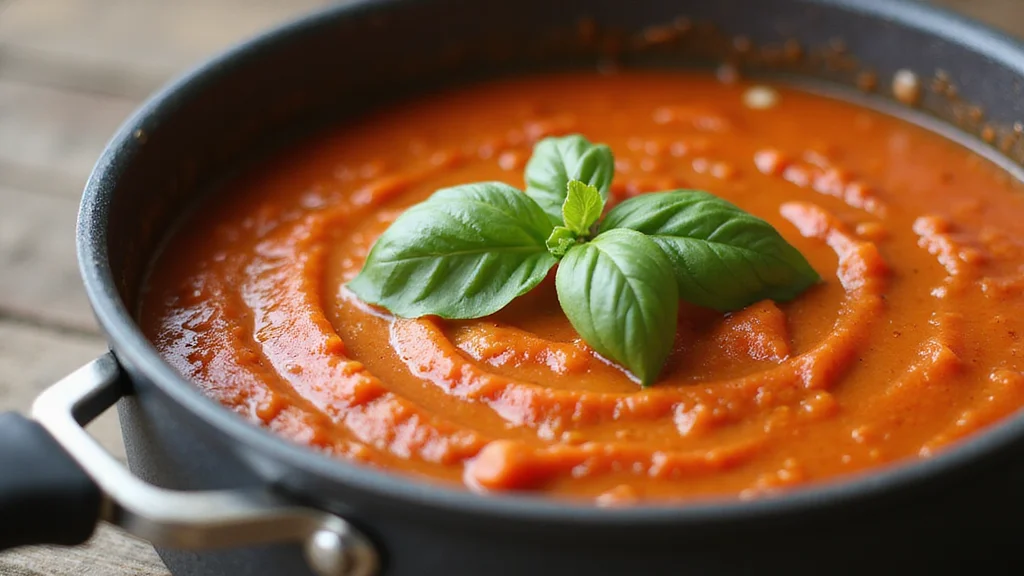
Stir in the heavy cream to the blended soup in the saucepan.
Add fresh basil leaves, tearing them slightly to release their aroma.
Continue to heat the soup gently, allowing the basil to infuse.
Do not let the soup boil to prevent curdling of the cream.
Step 7: Adjust Seasoning
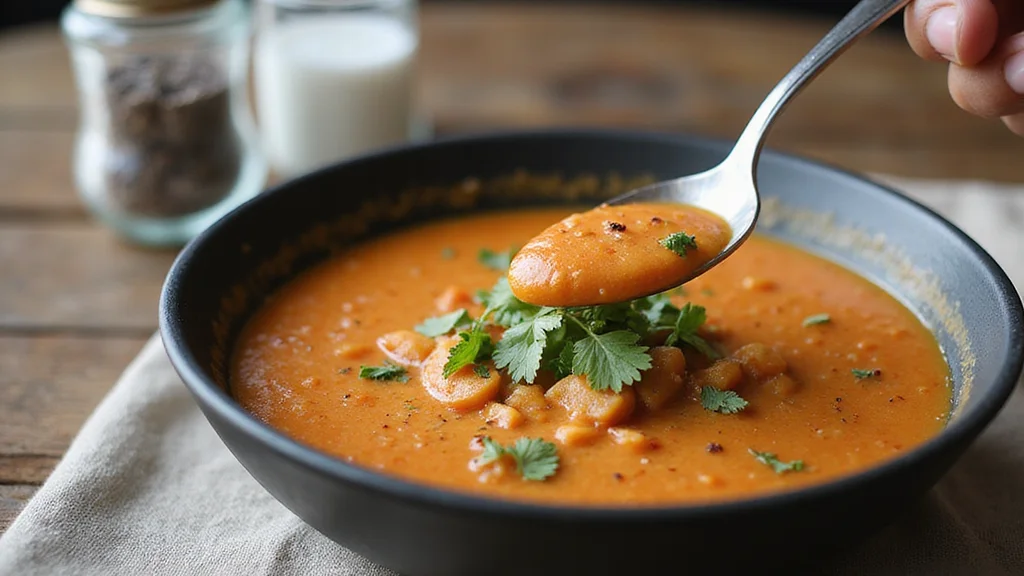
Taste the soup and adjust seasoning as needed with additional salt or pepper.
Stir well after each addition to incorporate flavors.
Ensure the soup is well-balanced in flavor before serving.
Remember the basil will continue to infuse flavor as it sits.



Step 8: Serve the Soup
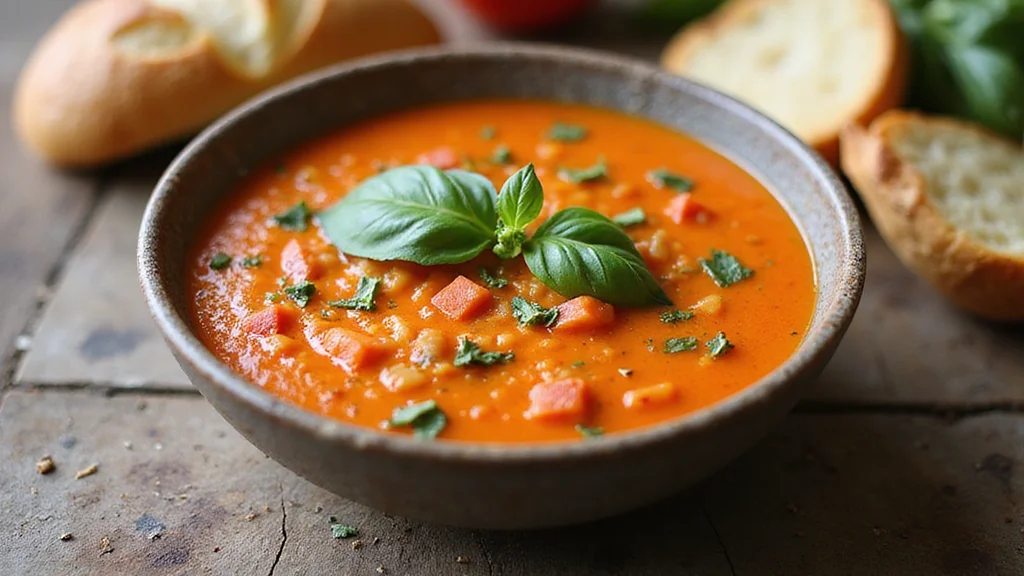
Ladle the soup into bowls, ensuring even distribution of basil.
Garnish with a drizzle of olive oil or a sprig of fresh basil.
Serve immediately while hot and steamy.
Pair with crusty bread for a complete meal experience.
Critical Timing and Temperature Guide
Sweating Aromatics: Cook onions and garlic for 5 minutes over medium heat until translucent. Avoid high heat to prevent browning and bitterness.
Simmering: Maintain a gentle simmer at low heat for 10 minutes. Visual indicators include slight bubbling and steam, without vigorous boiling.
Blending: Blend soup while warm for optimal smoothness. Common mistakes include blending too hot, causing pressure build-up and potential spills.
Pro Tips for Creamy Tomato Basil
• Ingredient Selection: Choose vine-ripened tomatoes for their intense flavor and natural sweetness, making a significant difference in the final taste.
• Preparation Secret: Adding a pinch of sugar balances the acidity of the tomatoes, enhancing overall flavor.
• Temperature Management: Ensure cream is at room temperature before adding to the soup to prevent curdling.
• Texture Enhancement: Strain the soup through a fine mesh strainer for an ultra-smooth finish, removing any fibrous bits.
• Flavor Layering: Sautéing basil with garlic and onions intensifies its aroma and infuses the soup with richer flavor.
• Make-Ahead Strategies: Make the soup base ahead, refrigerating for up to 2 days. Add cream and basil when reheating for fresh flavor.
• Restaurant-Quality Finishing Touches: Finish with a drizzle of basil oil or a sprinkle of Parmesan for added depth and presentation.
• Equipment Optimization: Use a high-speed blender for the smoothest texture, but a hand blender can work in a pinch with a bit more effort.


Troubleshooting Common Issues
• Soup Too Thin: This may occur if too much broth is added. To fix, simmer the soup uncovered to reduce liquid or add a tablespoon of tomato paste for thickness.
• Flavors Unbalanced: If the soup tastes too acidic, add a pinch of sugar or more cream to balance the flavors. Taste as you go.
• Curdled Cream: Occurs if cream is added when the soup is too hot. To prevent, ensure soup is off the heat when incorporating cream and add gradually.
• Lacks Depth: If flavors seem flat, try adding a dash of balsamic vinegar or Worcestershire sauce for complexity.
• Soup Too Lumpy: Improper blending can cause this. Blend in smaller batches or ensure all ingredients are thoroughly cooked before blending.
Variations and Regional Differences
• Tuscan Variation: Uses roasted tomatoes for a smoky depth and incorporates white beans for a heartier texture.
• French Provencal Style: Features herbes de Provence and omits cream for a lighter, more herbaceous version.
• American Classic: Often includes grilled cheese croutons as a topping, making it a meal in itself.
• Spicy Southern Italian: Adds red pepper flakes and a splash of red wine for a bold, spicy kick.
Food Science Behind the Recipe
• Emulsification: The process of blending cream with tomato and oil creates a stable emulsion, giving the soup its creamy texture.
• Maillard Reaction: Sautéing onions and garlic initiates this reaction, developing complex flavors and aromas.
• Acidity and Cream: Balancing the acidity of tomatoes with cream's fat content prevents curdling and enriches the soup's taste.
Frequently Asked Questions
What's the most common mistake people make when preparing Creamy Tomato Basil Soup? Overheating the soup after adding cream, which can lead to curdling. Always maintain gentle heat.
Can I make this soup vegan? Yes, substitute heavy cream with coconut milk or a cashew cream for a vegan version without losing creaminess.
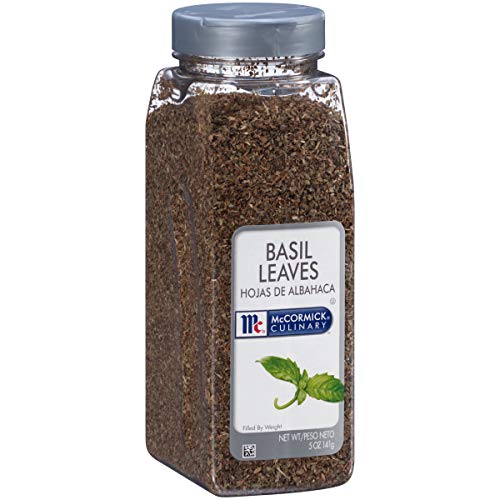
What if I don't have fresh basil? You can use dried basil, though the flavor will be less vibrant. Use about one-third of the amount.
How do I store leftovers? Store in an airtight container in the refrigerator for up to 3 days. Reheat gently to avoid separating the cream.
Can I freeze this soup? It's best to freeze the soup before adding the cream. Add the cream when reheating after thawing.
What can I serve with this soup? Crusty bread, grilled cheese sandwiches, or a fresh green salad pair well with this soup.
How can I add more protein to this dish? Stir in cooked chicken or add white beans for an additional protein boost.
Serving and Presentation Guide
• Traditional Presentation: Serve in a wide, shallow bowl with a swirl of cream and a sprig of fresh basil on top.
• Modern Chic: Present in a glass cup for a unique twist, accompanying with a small grilled cheese sandwich on the side.
• Rustic Style: Serve in an earthenware bowl, sprinkled with grated Parmesan and cracked black pepper.
• Elegant Dinner: Serve in a white porcelain bowl, garnished with a drizzle of basil oil and microgreens.
Conclusion
Creamy Tomato Basil Soup is a timeless dish that combines simplicity with rich, comforting flavors.
Whether you're new to cooking or a seasoned chef, this recipe offers rewarding results with minimal effort.
Give it a try and let the aromatic basil and luscious cream transport you to a cozy Italian kitchen.
Your taste buds will thank you for this delightful culinary experience.