

Slow Cooker Recipes: Easy Meals, Less Effort!
Family-friendly dishes for busy people — quick prep, delicious results.
Grab yours for $4There’s something magical about the aroma of freshly baked goods wafting through the house on a chilly morning.
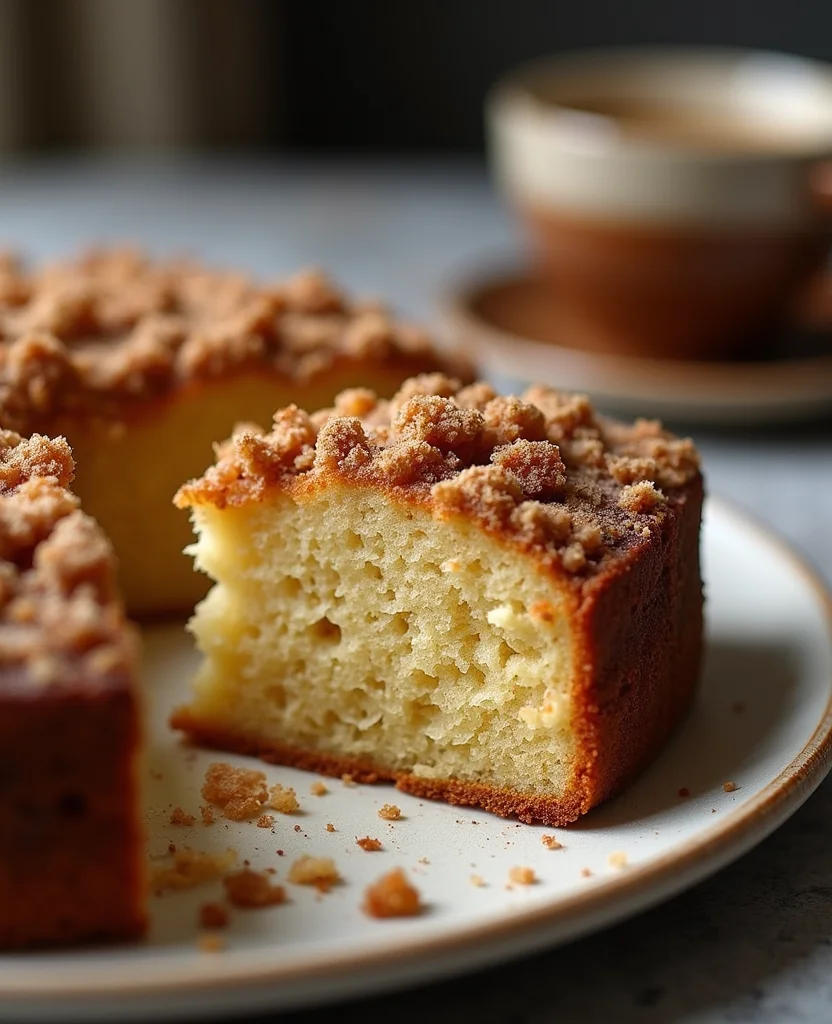
This Cozy Homemade Sourdough Coffee Cake offers a comforting blend of sweet and tangy notes, perfect for any time of the year.
The sourdough starter adds a unique twist, enhancing the cake’s flavor and texture, making it a family favorite.
Whether it’s spring or winter, this delightful treat pairs perfectly with a steaming cup of coffee or tea.
I first stumbled upon this recipe during a family gathering, where its irresistible warmth brought everyone together.
Now, it’s a staple in my kitchen, offering a slice of comfort whenever needed.
The History and Cultural Significance
• Cozy Homemade Sourdough traces its origins to Europe, where it was originally created by home bakers looking to use up excess starter.
• The dish evolved over decades as the advent of commercial yeast made baking more accessible, but the sourdough version remained beloved for its unique flavor.
• In many European cultures, this dish traditionally appears at breakfast gatherings, symbolizing warmth and hospitality.
• While many variations exist across different regions, the authentic version maintains its signature tangy undertone that sets it apart from imitations.
Recipe Overview
Nutritional Information (per serving)


Essential Equipment Guide
Mixing Bowl: A large mixing bowl is essential for combining ingredients evenly without spills. Opt for a bowl with a grip-friendly base to prevent slipping, or use a damp cloth underneath to stabilize.
Stand Mixer: While you can mix by hand, a stand mixer ensures a more consistent batter, especially when incorporating the sourdough starter. Look for models with sturdy construction and variable speed settings.
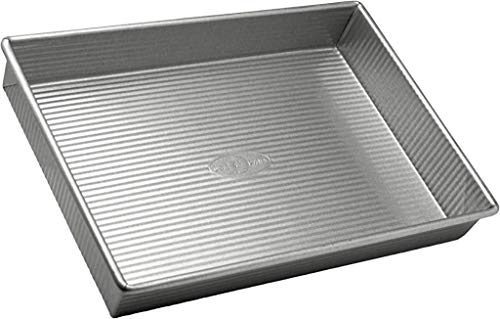
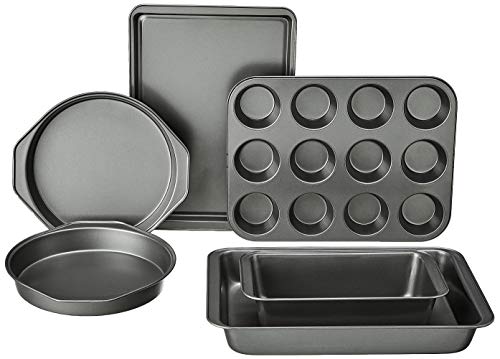
Baking Pan: A well-seasoned, non-stick baking pan ensures even baking and easy release. If unavailable, line a regular pan with parchment paper for best results.



Ingredients
For the Cake
|
|
| Amount | Ingredient | Notes |
|---|---|---|
| 1 cup | sourdough starter | active and bubbly |
| 2 cups | all-purpose flour | provides structure |
| 1 cup | sugar | adds sweetness |
| 1 teaspoon | baking soda | helps the cake rise |
| 1 teaspoon | salt | enhances flavor |
| 1 cup | milk | room temperature for better mixing |
| 1/2 cup | butter | melted, adds richness |
| 2 large | eggs | binds ingredients |
For the Topping
| Amount | Ingredient | Notes |
|---|---|---|
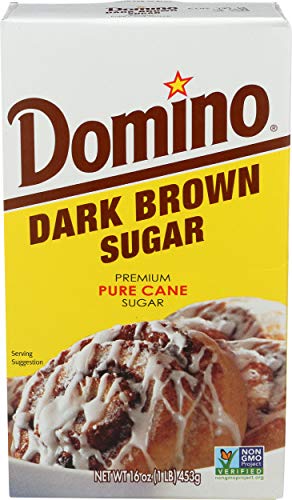
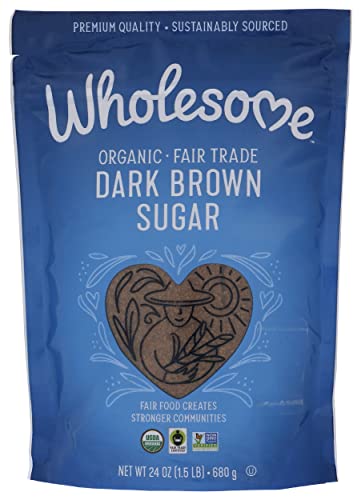
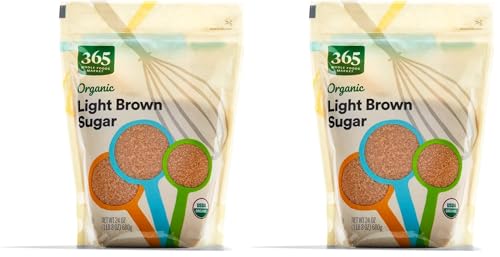
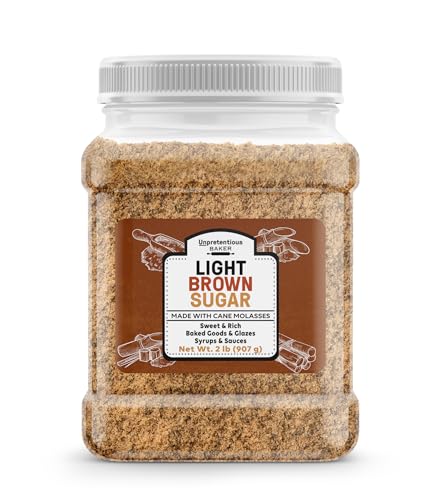
| 1/2 cup | brown sugar | adds caramel notes |
| 1 teaspoon | cinnamon | for warmth |
| 1/4 cup | butter | cold, for crumbly texture |
| 1/2 cup | chopped nuts | optional, for crunch |


Preparation Methods
Activating the Sourdough Starter: Ensure your sourdough starter is bubbly and active before using. Feed it 4-6 hours before preparing, allowing it to reach its peak activity for best flavor and rise.
Creating a Crumb Topping: Use cold butter to create a crumbly topping. Mix the butter, sugar, and cinnamon with your fingers until the mixture resembles coarse crumbs, which will provide the perfect crunchy texture.
Layering Technique: For even distribution of flavor, layer the batter and topping. Spread half the batter, sprinkle with topping, add the remaining batter, and finish with the final topping layer.
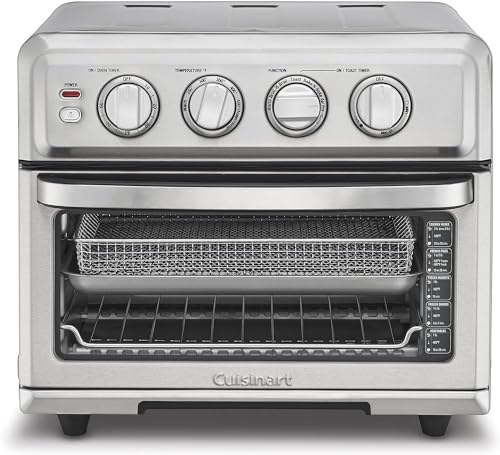
Step 1: Preheat the Oven
Preheat your oven to 350°F (175°C).
Ensure the oven rack is positioned in the middle to allow even baking.
Check that the oven is free from debris and clean for consistent heat distribution.
Set a timer for 10 minutes to remind yourself when the oven is ready.


Step 2: Prepare the Sourdough Starter
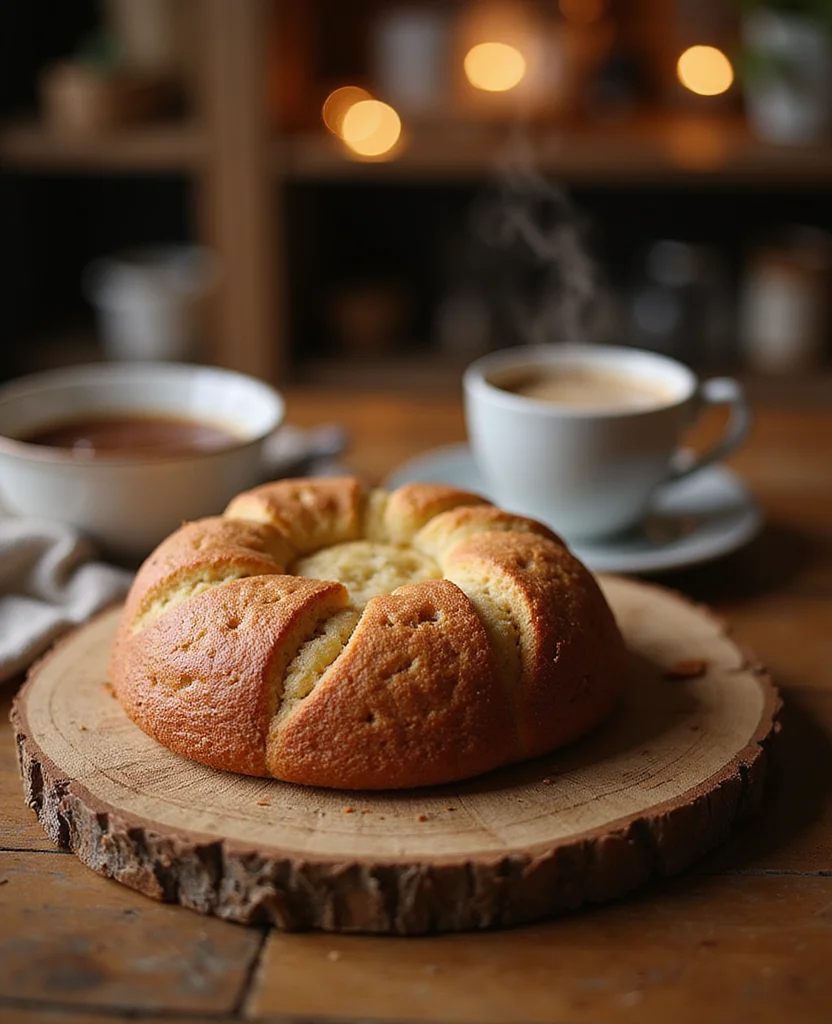
Take your active sourdough starter and give it a gentle stir.
Measure one cup and let it sit at room temperature while you prepare other ingredients.
Ensure that the starter is bubbly and smells slightly tangy.
This will ensure the best flavor integration into the cake.
Step 3: Mix Dry Ingredients
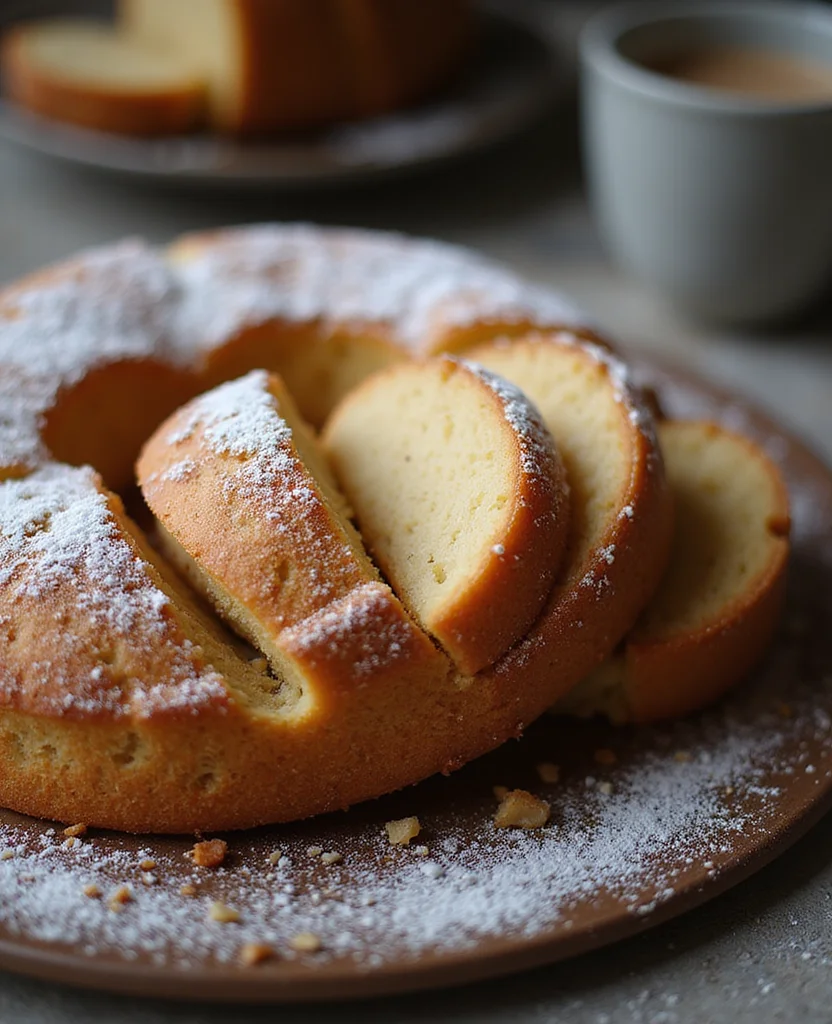
In a large mixing bowl, combine the flour, sugar, baking soda, and salt.
Use a whisk to blend these dry ingredients thoroughly.
Look for a uniform mixture with no visible lumps of sugar or flour.
This ensures even distribution of the baking soda for a consistent rise.



Step 4: Combine Wet Ingredients
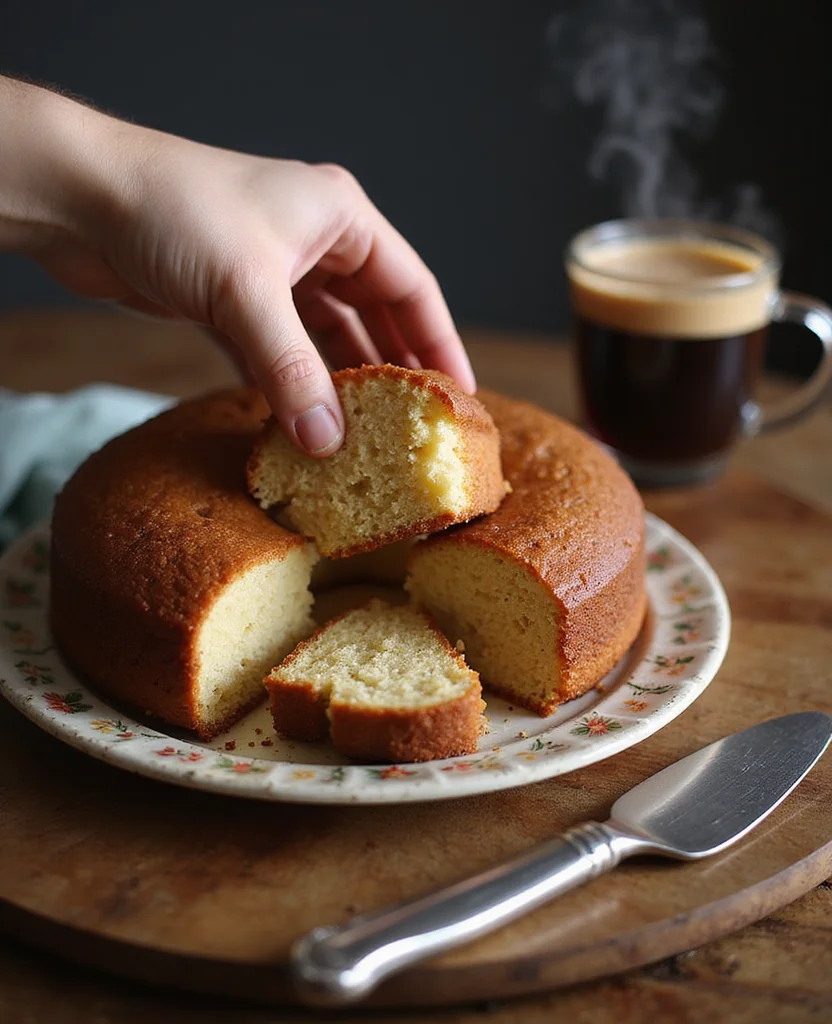
In a separate bowl, whisk together the melted butter, milk, and eggs.
Ensure the milk and butter are at room temperature to prevent the butter from solidifying.
Mix until the eggs are fully incorporated and the liquid is homogenous.
This will help the batter blend smoothly with the dry ingredients.




Step 5: Incorporate Sourdough Starter
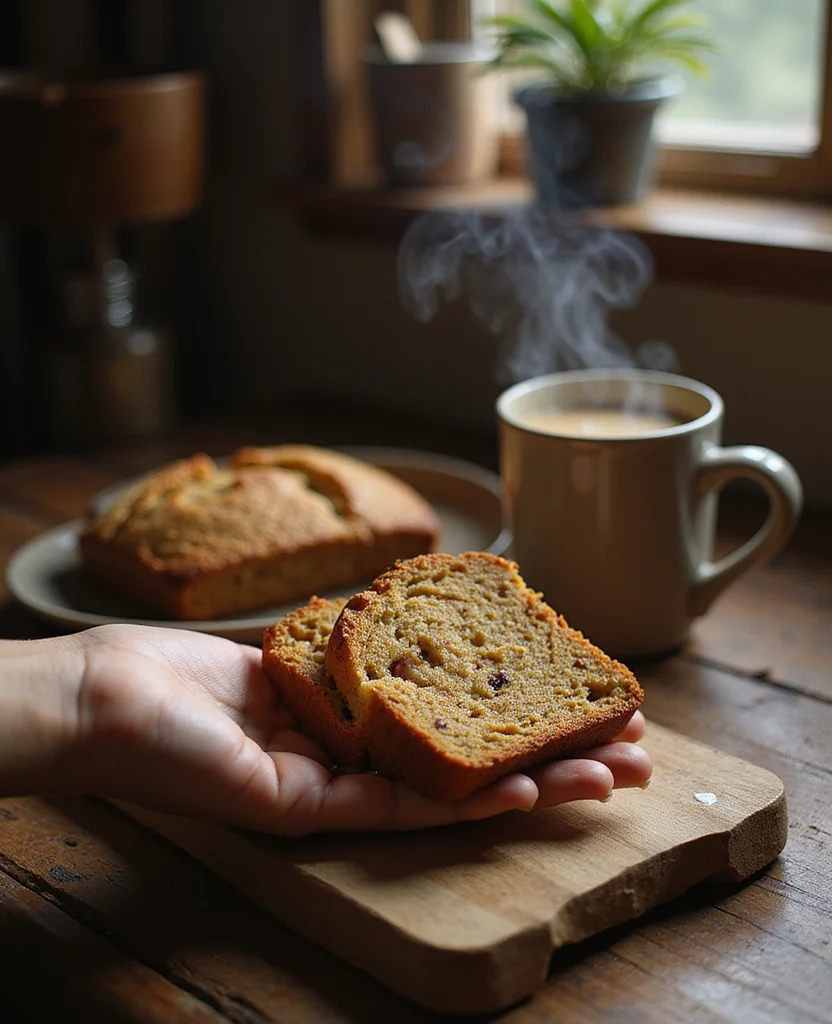
Add the sourdough starter to the wet ingredients and whisk gently.
Ensure the starter is fully mixed in with no visible streaks.
This step is crucial for the tangy flavor profile of the cake.
Mix until you achieve a consistent batter texture.
Step 6: Combine Wet and Dry Ingredients
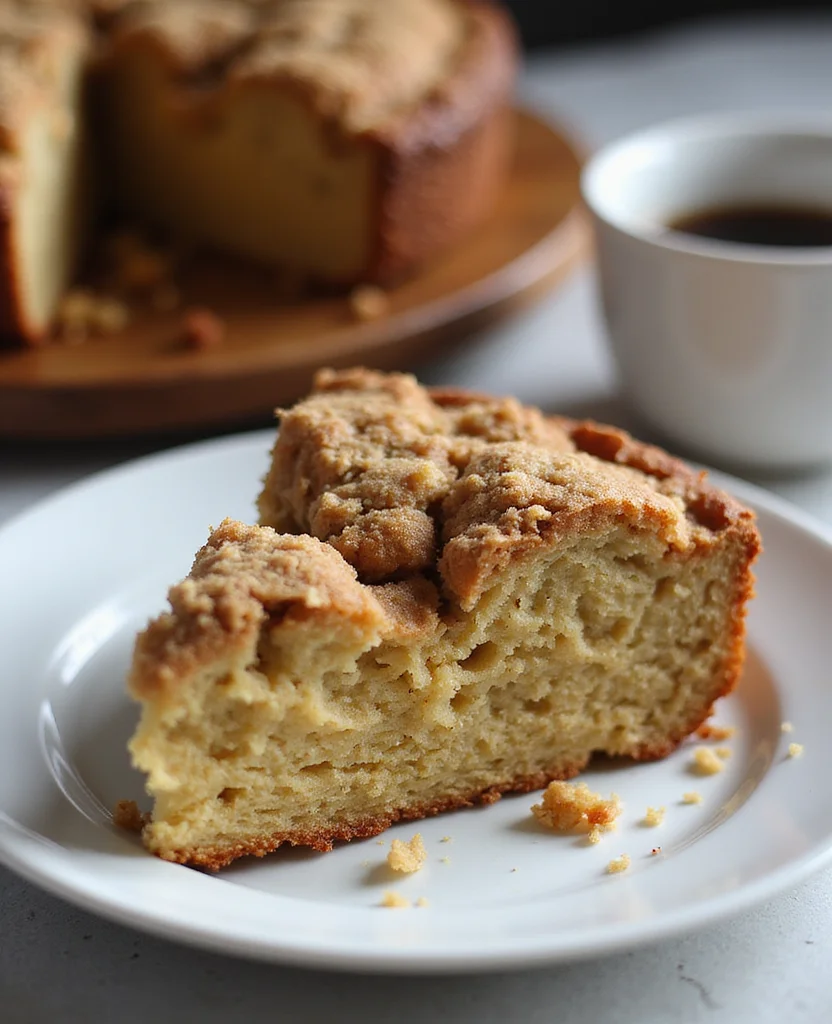
Gradually add the wet mixture to the dry ingredients, stirring gently.
Use a spatula to fold the batter, avoiding over-mixing.
Look for a smooth batter with no dry flour patches.
This ensures the cake will have a tender crumb.


Step 7: Prepare the Topping
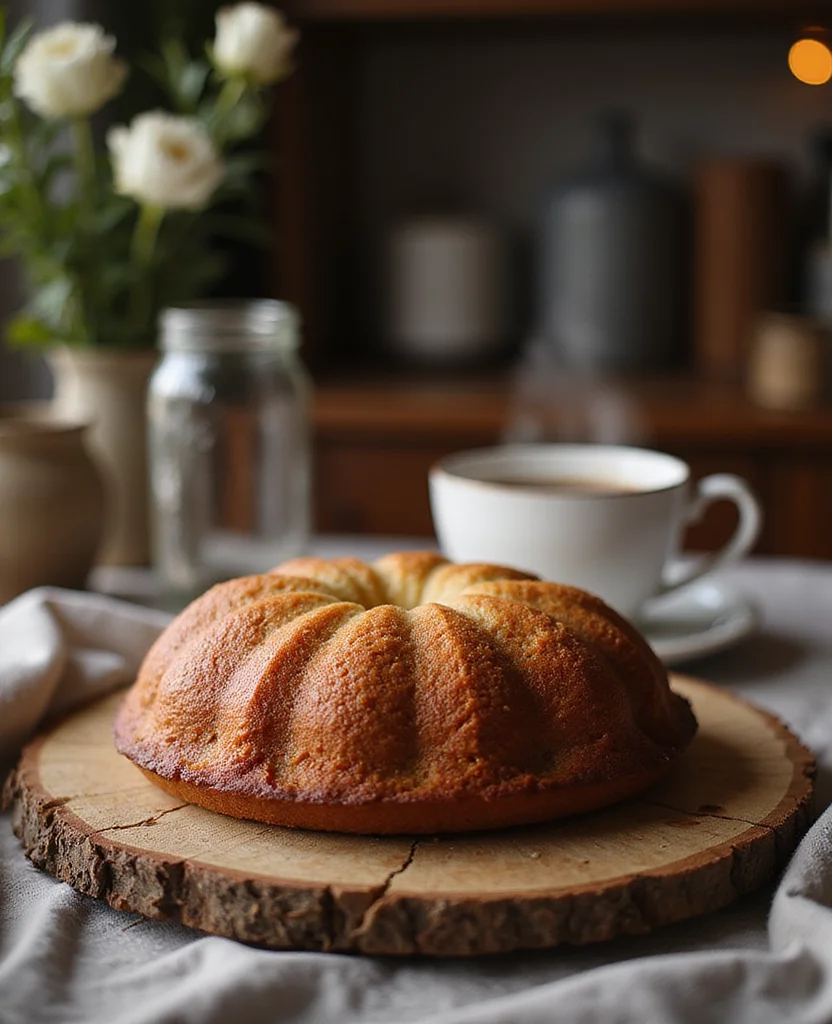
In a small bowl, combine brown sugar, cinnamon, and cold butter.
Use your fingers to mix until the mixture resembles coarse crumbs.
Add chopped nuts if desired for extra crunch.
This topping will create a deliciously crunchy top layer when baked.


Step 8: Layer and Bake
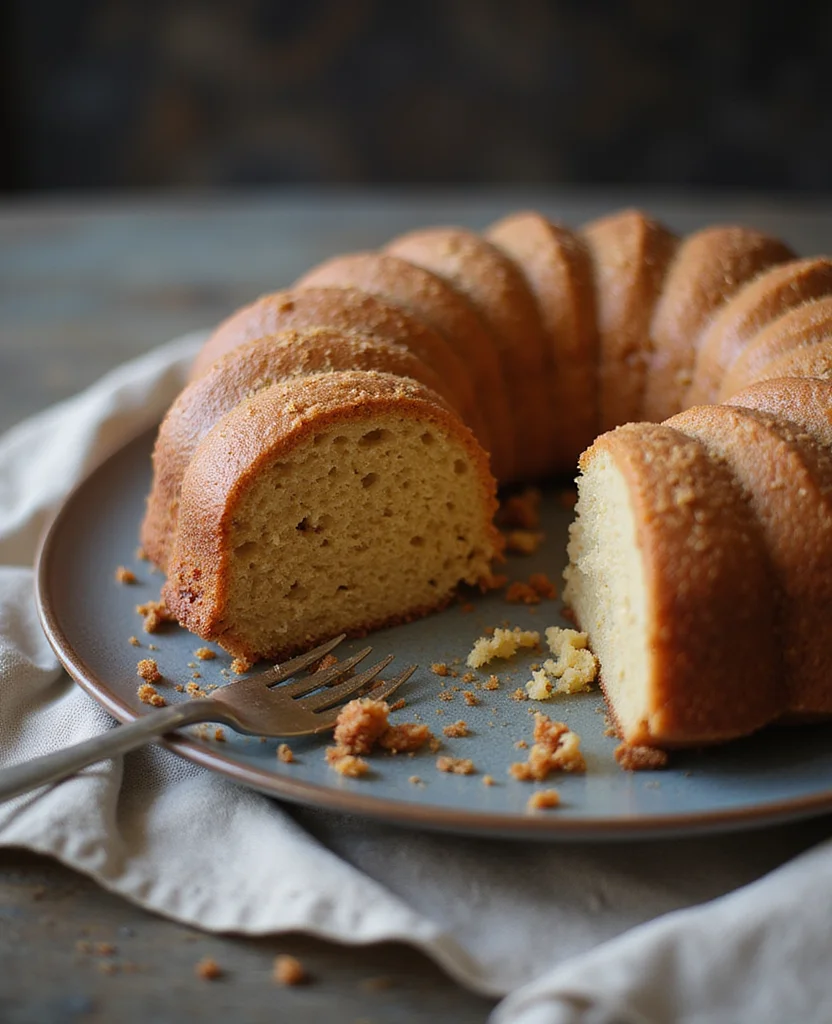
Pour half of the batter into a greased baking pan.
Sprinkle with half of the crumb topping.
Add the remaining batter and finish with the rest of the topping.
Bake in the preheated oven for 45 minutes or until a toothpick comes out clean.



Critical Timing and Temperature Guide
Mixing Batter: Mix wet and dry ingredients just until combined, avoiding over-mixing to prevent a dense texture.
Baking: Bake at 350°F (175°C) for exactly 45 minutes, or until a toothpick inserted into the center comes out clean, indicating doneness.
Cooling: Allow the cake to cool in the pan for at least 10 minutes before slicing, preventing it from crumbling.
Pro Tips for Cozy Homemade Sourdough
• Ingredient Selection: Choose high-quality, organic all-purpose flour and fresh eggs for the best texture and flavor.
• Preparation Secret: Allow the batter to rest for 10 minutes before baking to enhance the sourdough's flavor.
• Temperature Management: Ensure all ingredients are at room temperature for easier mixing and consistent results.
• Texture Enhancement: For a lighter cake, gently fold the batter instead of stirring, maintaining airiness.
• Flavor Layering: Add a pinch of nutmeg to the topping for an extra layer of warmth and depth.
• Make-Ahead Strategies: Prepare the crumb topping a day in advance and refrigerate to save time on baking day.
• Restaurant-Quality Finishing Touches: Dust the cake with powdered sugar before serving for an elegant touch.
• Equipment Optimization: Use a silicone spatula for easy batter folding and complete bowl scraping.
Troubleshooting Common Issues
• Texture Too Dense: Caused by over-mixing or using inactive starter. Ensure starter is active and fold the batter gently.
• Flavors Unbalanced: Ensure correct ratio of sourdough to sugar. Taste the batter before baking and adjust sugar if needed.
• Undercooked Center: Results from uneven oven temperature. Use an oven thermometer and bake until a toothpick comes out clean.
• Crumbly Topping: Indicates butter was too warm. Use cold butter for a proper crumb texture.
• Lack of Rise: Sourdough starter may be inactive. Feed starter 4-6 hours before use, ensuring it's bubbly and active.
• Overly Tangy Flavor: Too much sourdough starter was used. Measure accurately and adjust for personal taste.





Variations and Regional Differences
• French Style: Incorporates a layer of almond paste for added richness and a unique twist on traditional flavors.
• American Southern Style: Adds pecans and uses molasses in the topping for a deeper, more robust flavor.
• Italian Panettone Inspired: Includes candied fruits and a hint of vanilla for a festive holiday variation.
• Scandinavian Style: Features cardamom spice and a drizzle of icing, offering a fragrant and sweet finish.


Food Science Behind the Recipe
• Sourdough Fermentation: The natural fermentation of the sourdough starter enhances flavor and acts as a natural leavening agent, creating a tender crumb.
• Gluten Development: Gentle mixing limits gluten formation, keeping the cake soft and airy.
• Baking Soda Reaction: Reacts with the acidic sourdough starter to provide additional lift and lightness.
• Butter Emulsification: Melted butter contributes to a moist texture by emulsifying the batter, ensuring even fat distribution.
Frequently Asked Questions
What's the most common mistake people make when preparing Cozy Homemade Sourdough Coffee Cake? Over-mixing the batter, which can lead to a dense texture, is the most common mistake. Always fold the batter gently.
Can I use a different flour type? Yes, you can use whole wheat flour for a heartier texture, but it may alter the rise and crumb.
How can I make this recipe dairy-free? Substitute the milk with almond or oat milk and use coconut oil instead of butter.
Is it possible to make this recipe gluten-free? Yes, use a gluten-free flour blend and ensure your sourdough starter is made with gluten-free flour.
How do I store leftovers? Store in an airtight container at room temperature for up to 3 days or refrigerate for longer freshness.
What can I do if my sourdough starter isn't active? Feed your starter several hours before baking and wait until it's bubbly and doubled in volume.
Can I freeze the cake? Yes, wrap tightly in plastic wrap, then foil, and freeze for up to 3 months. Thaw at room temperature before serving.
Serving and Presentation Guide
• Traditional Presentation: Serve the cake on a classic cake stand, dusted with powdered sugar, and accompanied by fresh berries.
• Café Style: Cut into generous squares, arranged on a wooden serving board with small bowls of whipped cream and jam.
• Brunch Spread: Slice into thin wedges and present with a variety of pastries and fruit platters for a diverse brunch menu.
• Elegant Dessert: Serve warm with a scoop of vanilla ice cream or a dollop of crème fraîche for a decadent dessert option.
Conclusion
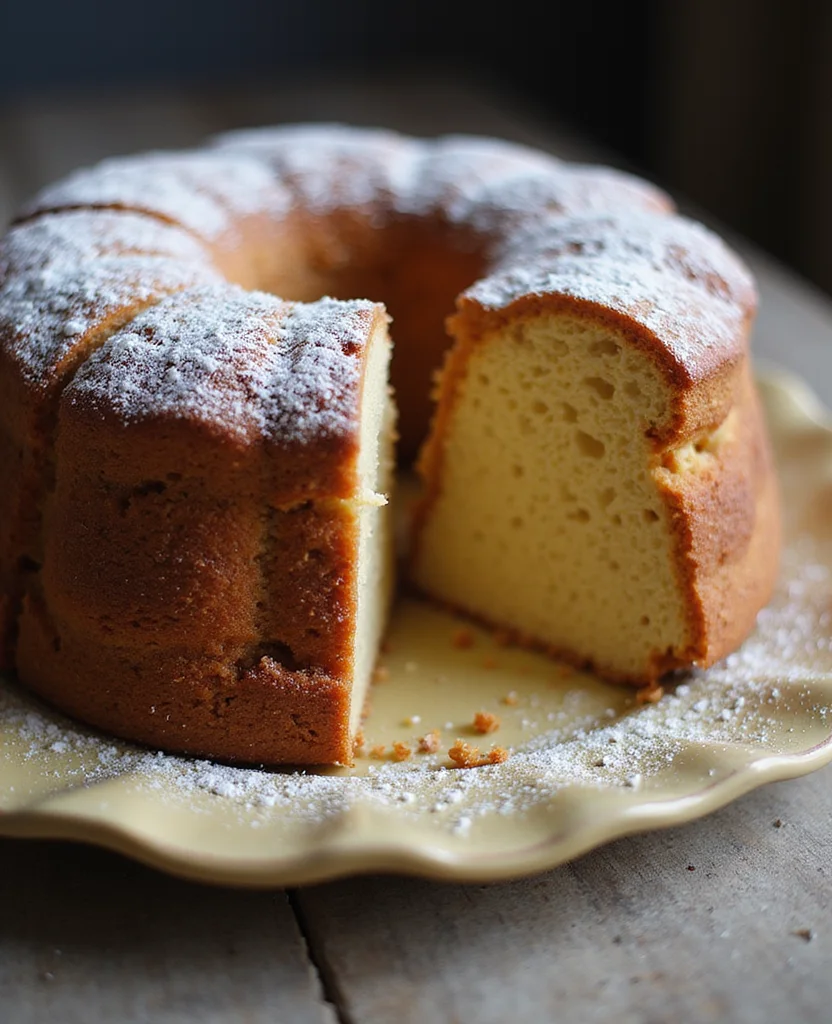
The Cozy Homemade Sourdough Coffee Cake is a delightful blend of tradition and flavor that brings warmth to any occasion.
With its unique sourdough twist, it's sure to become a favorite in your baking repertoire.
I encourage you to try this recipe and experience the comforting allure of homemade baking.
Share it with loved ones and create new memories around this delicious treat.


