Slow Cooker Recipes: Easy Meals, Less Effort!
Family-friendly dishes for busy people — quick prep, delicious results.
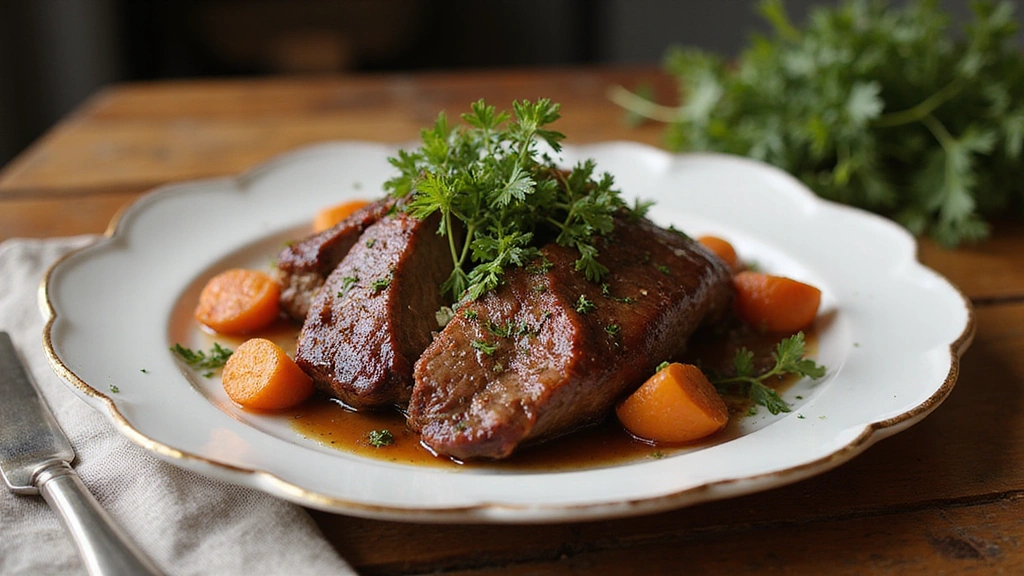
Grab yours for $4The tender chuck roast, slow-cooked to perfection, is a cornerstone of comfort food.
Its rich, savory flavors meld together to create an unforgettable culinary experience.
I first encountered this recipe during a family gathering on a chilly autumn evening.
The combination of succulent beef and aromatic herbs filled the house with warmth and nostalgia.
Whether you’re hosting a dinner party or enjoying a quiet night in, this dish is sure to impress.
Prepare to delight your taste buds with a melt-in-your-mouth texture and robust flavor.
The History and Cultural Significance
• Tender Chuck Roast traces its origins to 19th-century America, where it was originally created by resourceful home cooks.
• The dish evolved over decades as slow-cooking techniques became more refined, eventually becoming the beloved version we know today.
• In American culture, this dish traditionally appears at family gatherings and holiday feasts, symbolizing warmth and togetherness.
• While many variations exist across different regions, the authentic version maintains a melt-in-your-mouth tenderness that sets it apart from imitations.
Recipe Overview
Nutritional Information (per serving)


Essential Equipment Guide
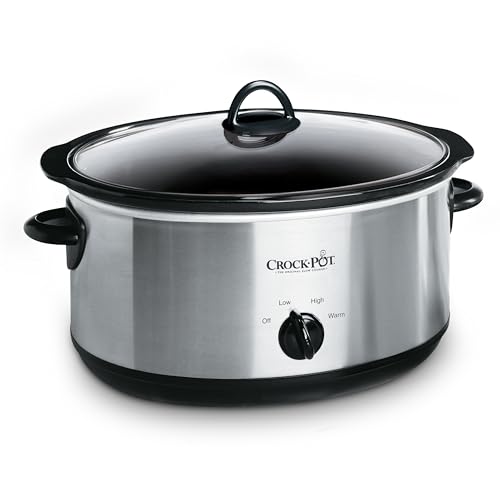
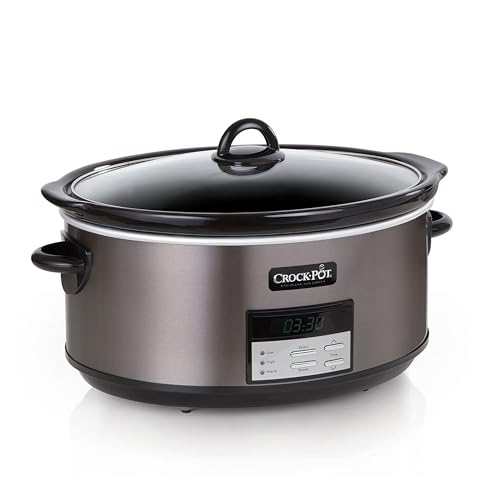
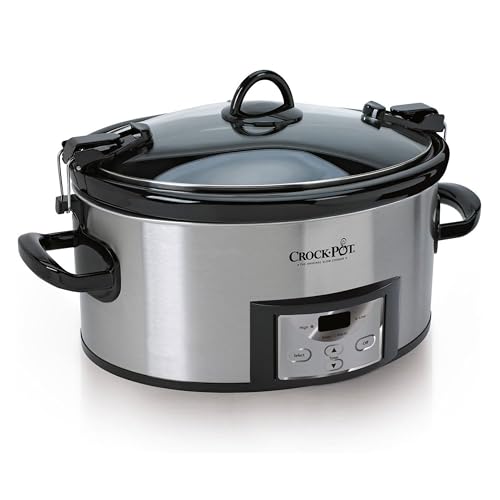
Slow Cooker: A slow cooker is essential for achieving the perfect tenderness in a chuck roast. It ensures even, consistent cooking over several hours. If you don’t have a slow cooker, a Dutch oven on a low stove setting can be a suitable alternative.
Meat Thermometer: Ensures that the roast reaches the appropriate internal temperature for safety and desired doneness. Look for a digital thermometer with an instant-read feature for accuracy.
Sharp Carving Knife: A sharp carving knife is crucial for slicing through the roast without tearing the meat. A serrated knife can work in a pinch, but a straight-edge knife provides cleaner cuts.



Ingredients
For the Roast
|
|
| Amount | Ingredient | Notes |
|---|---|---|
| 3 pounds | chuck roast | preferably grass-fed for richer flavor |
| 2 tablespoons | olive oil | for searing, adds depth |
Seasonings
| Amount | Ingredient | Notes |
|---|---|---|
| 1 teaspoon | salt | enhances natural flavors |
| 1 teaspoon | black pepper | freshly ground, for subtle heat |
Vegetables
| Amount | Ingredient | Notes |
|---|---|---|
| 3 large | carrots | peeled and cut into chunks |
| 2 medium | onions | quartered, adds sweetness |
| 4 cloves | garlic | minced, aromatic flavor boost |
For the Sauce
| Amount | Ingredient | Notes |
|---|---|---|
| 1 cup | beef broth | for moisture and flavor |
| 1/2 cup | red wine | optional, adds richness |
| 2 tablespoons | tomato paste | for depth of flavor |



Preparation Methods
Searing the Meat: Searing the chuck roast before slow cooking locks in flavors and creates a caramelized crust. Use a high-heat oil and ensure the pan is hot before adding the meat.
Deglazing the Pan: After searing, deglaze the pan with wine or broth to incorporate the flavorful browned bits into the sauce. This adds complexity to the dish.
Layering Ingredients: Layering vegetables and meat in the slow cooker ensures even cooking and flavor distribution. Place vegetables at the bottom to prevent burning and infuse them with the meat's juices.


Step 1: Prepare Ingredients
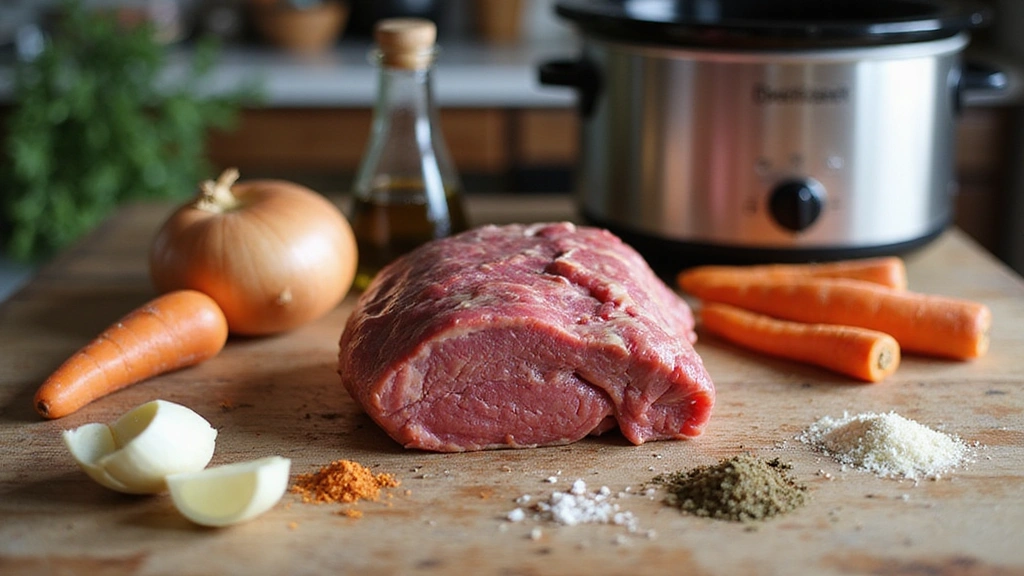
Start by gathering all your ingredients and equipment.
Wash and peel the carrots, then cut them into large chunks.
Quarter the onions and mince the garlic cloves.
Ensure the chuck roast is at room temperature for even cooking.
Step 2: Season the Roast
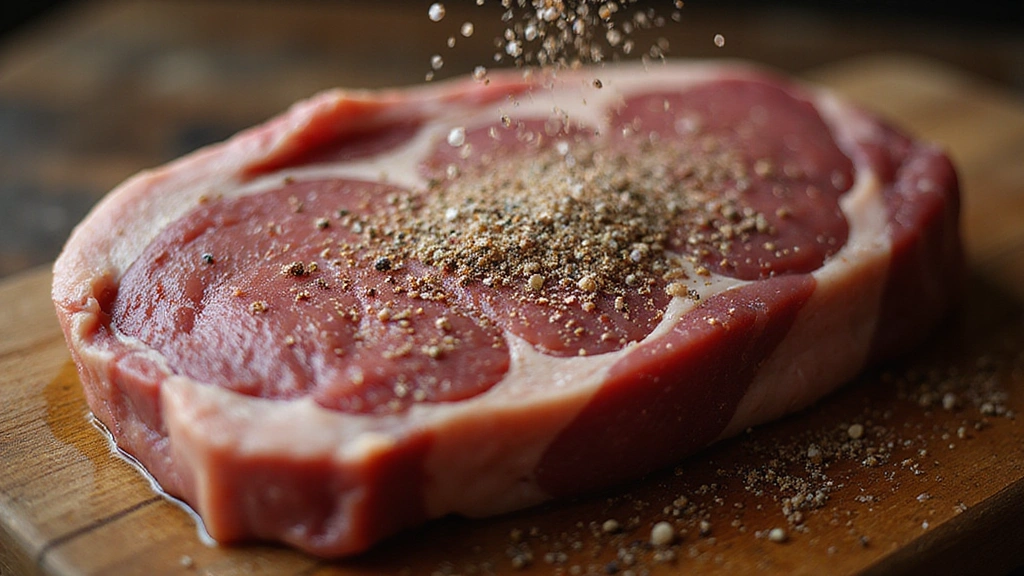
Rub the chuck roast with olive oil to coat evenly.
Sprinkle salt and freshly ground black pepper over all sides of the meat.
Press the seasonings into the meat to adhere well.
Let the seasoned meat rest for 10 minutes to absorb flavors.



Step 3: Sear the Chuck Roast
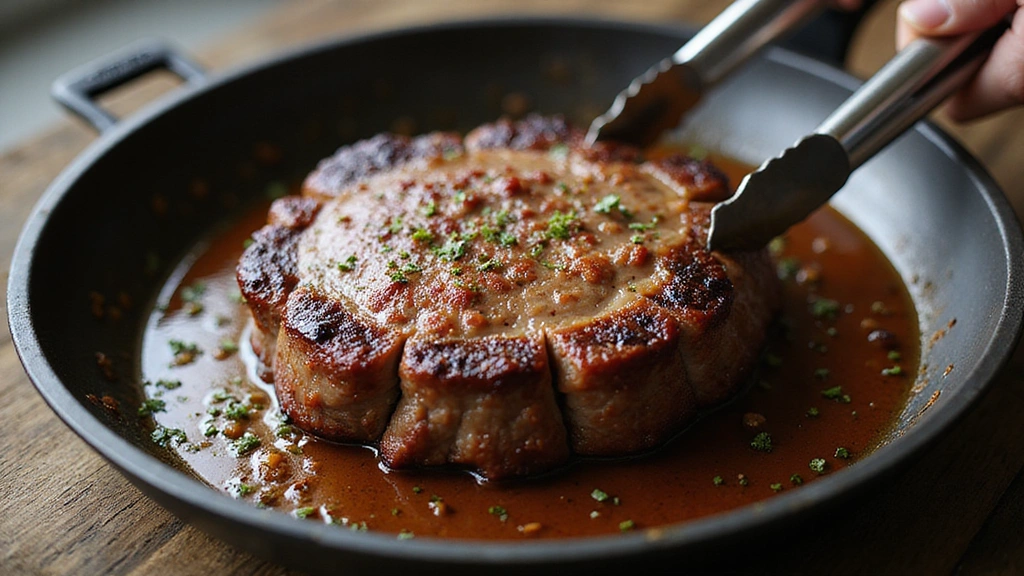
Heat a large skillet over high heat until hot.
Add the seasoned chuck roast and sear each side for 4-5 minutes.
Look for a deep brown crust forming on the meat.
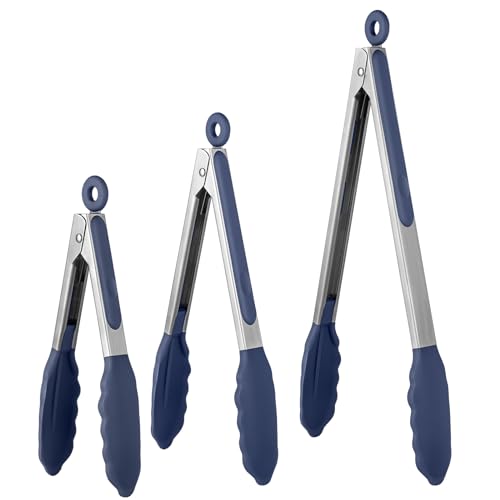
Use tongs to turn the roast carefully to avoid tearing.




Step 4: Deglaze the Pan
Remove the seared roast from the skillet and set aside.
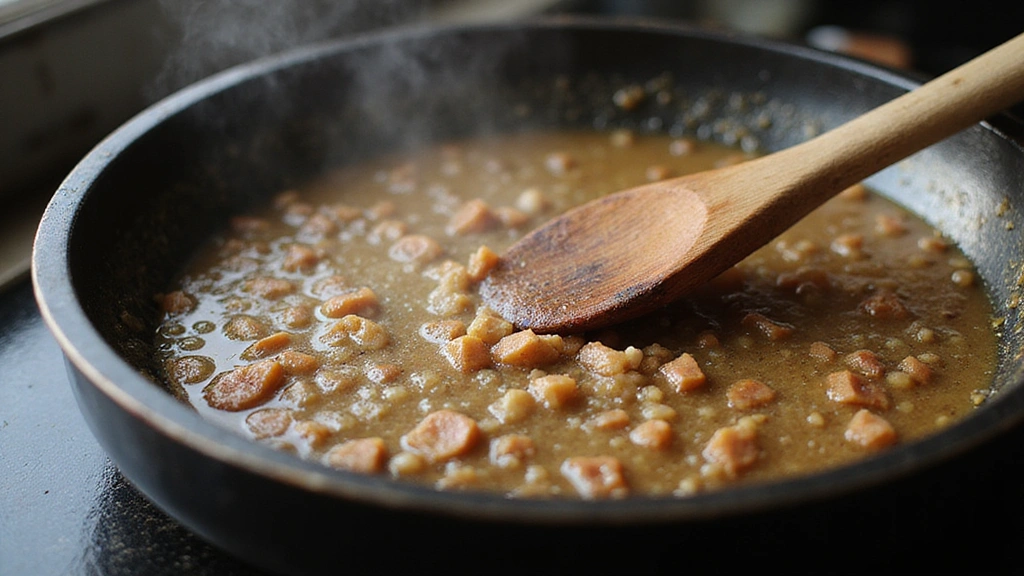
Pour red wine or beef broth into the hot skillet to deglaze.
Scrape up the browned bits from the bottom of the pan with a wooden spoon.
Allow the liquid to reduce slightly, enhancing the flavor.
Step 5: Arrange Ingredients in Slow Cooker
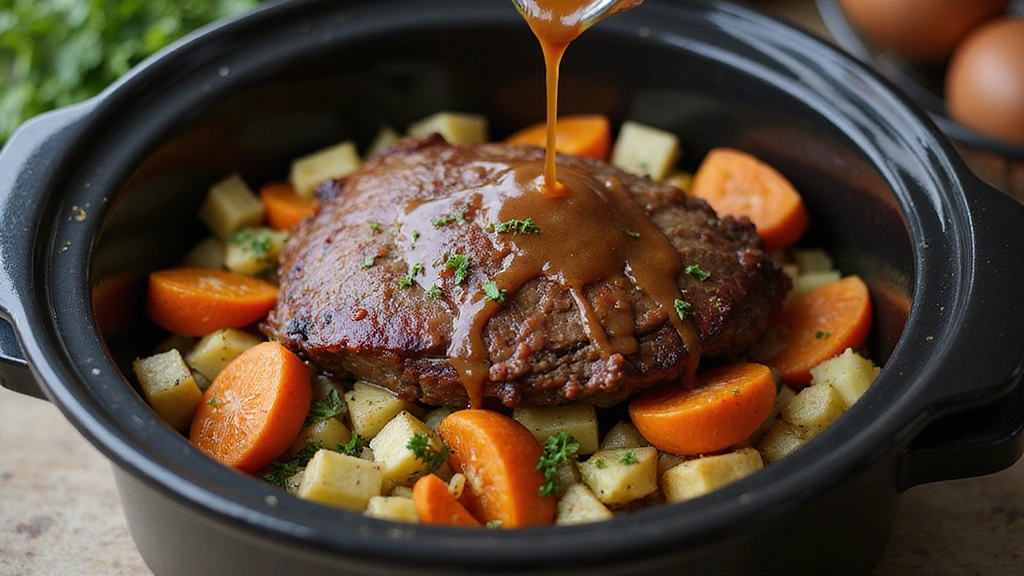
Place the carrots and onions in an even layer at the bottom of the slow cooker.
Add the minced garlic on top of the vegetables.
Position the seared chuck roast on top of the vegetable layer.
Pour the deglazed liquid and tomato paste mixture over the roast.
Step 6: Slow Cook the Roast
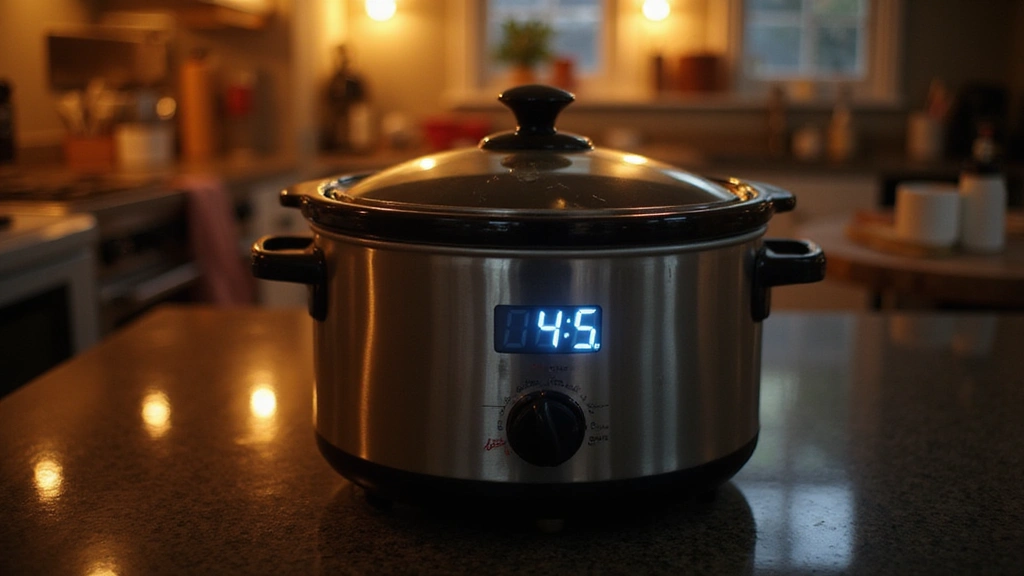
Set the slow cooker to low heat for optimal tenderness.
Cover the cooker with the lid to trap moisture and flavors.
Cook for 5 hours, allowing flavors to meld and meat to tenderize.
Check occasionally to ensure liquid level remains adequate.
Step 7: Check for Doneness
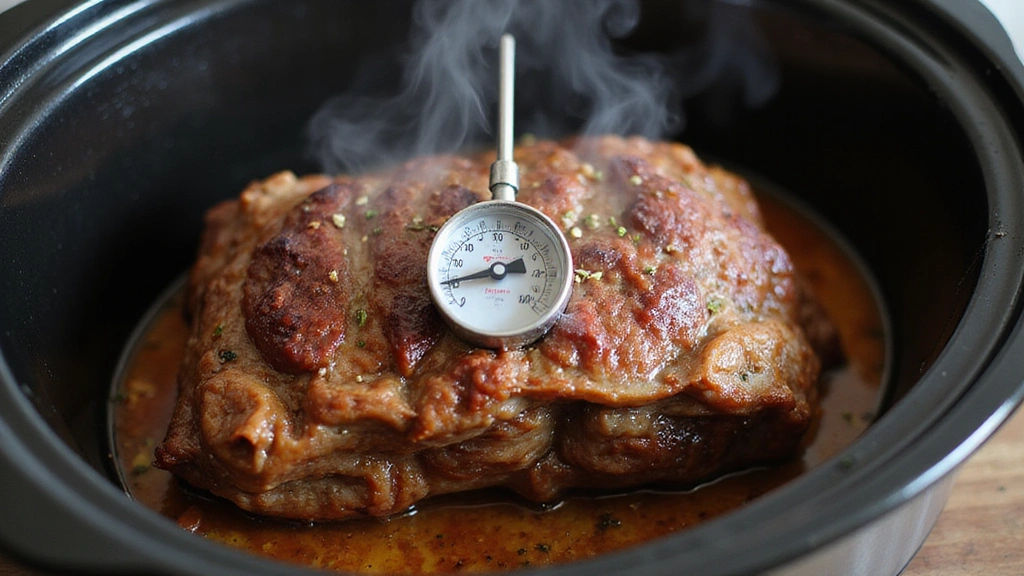
After 5 hours, check the roast for doneness using a meat thermometer.
The internal temperature should reach at least 145°F for safety.
The meat should be fork-tender and easily pull apart.
If needed, cook for an additional 30-60 minutes.





Step 8: Serve and Enjoy
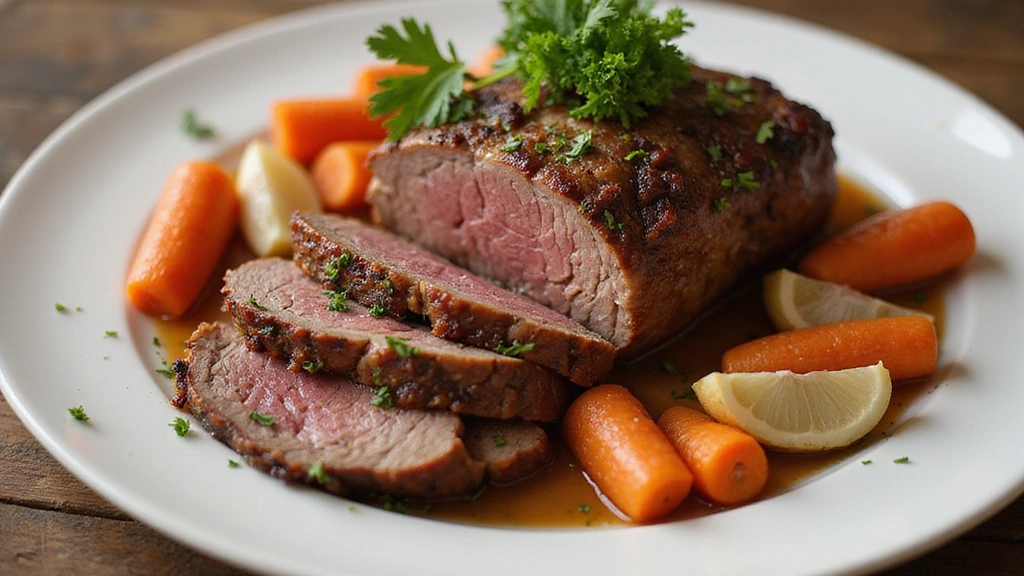
Carefully remove the roast from the slow cooker using tongs.
Let it rest for a few minutes before slicing to retain juices.
Serve with the cooked carrots and onions on the side.
Optionally, garnish with fresh herbs for added color and aroma.
Critical Timing and Temperature Guide
Searing: Sear the roast at high heat for 4-5 minutes per side until a deep brown crust forms. Avoid overcrowding the pan to maintain high temperature.
Slow Cooking: Cook on low for 5-6 hours. The internal temperature should reach 145°F. Ensure the cooker remains covered to prevent loss of moisture.
Resting: Allow the cooked roast to rest for at least 5-10 minutes before slicing. This helps retain juices and enhances tenderness.
Pro Tips for Tender Chuck Roast
• Ingredient Selection: Choose a well-marbled chuck roast for the best flavor and tenderness. Marbling is key to a juicy result.
• Preparation Secret: Let the seasoned roast rest before searing. This allows the flavors to penetrate deeper.
• Temperature Management: Ensure the slow cooker maintains a consistent low temperature. Fluctuations can affect tenderness.
• Texture Enhancement: Searing before slow cooking creates a caramelized crust that enhances texture.
• Flavor Layering: Use a combination of beef broth and red wine to build a rich sauce.
• Make-Ahead Strategies: Prepare the vegetables and seasoning mix a day in advance and store in the refrigerator.
• Restaurant-Quality Finishing Touches: Garnish with fresh herbs like parsley or thyme for a professional look.
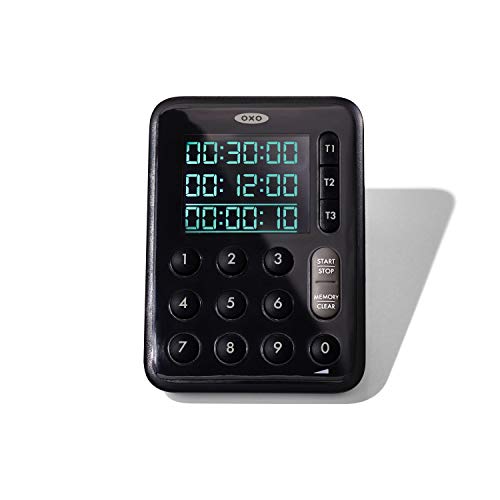
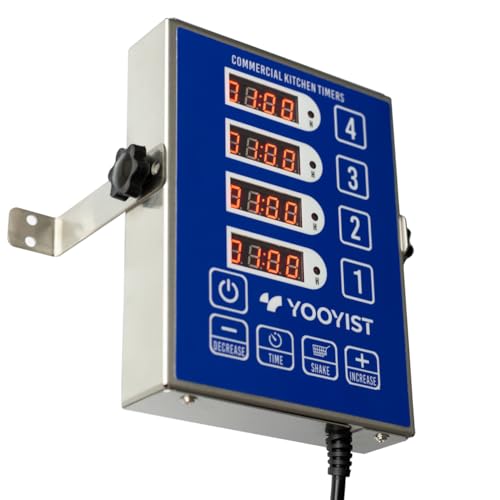
• Equipment Optimization: Use a slow cooker with a timer and temperature control for precise cooking.




Troubleshooting Common Issues
• Tough Meat: This is often caused by not cooking the roast long enough. Ensure it's cooked at low heat for sufficient time to break down connective tissues.
• Lack of Flavor: Make sure to season the roast generously and use a flavorful broth or wine for the liquid.
• Dried-Out Roast: Ensure the slow cooker lid is properly sealed to prevent moisture loss. Add more broth if needed.
• Burnt Vegetables: Vegetables can burn if placed directly on the bottom without enough liquid. Add a layer of broth to prevent this.
• Uneven Cooking: Check that the roast fits comfortably in the slow cooker and isn't overcrowded, allowing heat to circulate evenly.
Variations and Regional Differences
• Italian Style: Incorporate Italian herbs like rosemary and oregano, and use a tomato-based sauce for a Mediterranean twist.
• French Pot Roast: Known as 'Pot-au-Feu', this version includes root vegetables like turnips and is often served with Dijon mustard.
• Mexican Barbacoa: Use chipotle peppers and lime juice for a spicy, tangy flavor profile, often served with tortillas.
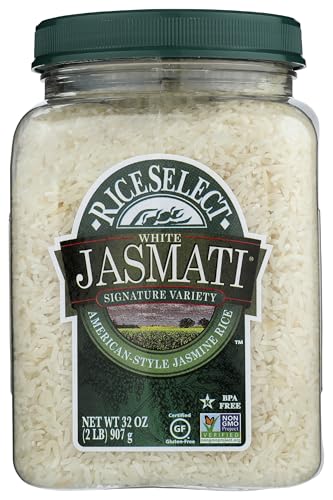
• Asian-Inspired: Add soy sauce, ginger, and star anise for a unique flavor, and serve with steamed rice.




Food Science Behind the Recipe
• Maillard Reaction: Searing the roast triggers the Maillard reaction, creating complex flavors and a rich brown crust.
• Collagen Breakdown: Slow cooking gradually breaks down collagen in the meat, transforming it into gelatin for a tender texture.
• Flavor Infusion: The slow cooking process allows time for flavors from the vegetables and seasonings to penetrate the meat thoroughly.
Frequently Asked Questions
What's the most common mistake people make when preparing chuck roast? The most common mistake is not allowing enough cooking time for the meat to become tender.
Can I use a different cut of meat? Yes, but cuts like brisket or round roast may require different cooking times and techniques.
Is it necessary to sear the meat first? Searing enhances flavor and texture, but it's not strictly necessary if you're short on time.
Can I add potatoes to the slow cooker? Absolutely, potatoes can be added but ensure they are cut into large chunks to prevent overcooking.
How do I store leftovers? Store leftovers in an airtight container in the refrigerator for up to 3 days or freeze for up to 3 months.
Can I make this dish without a slow cooker? Yes, a Dutch oven in the oven at low heat can achieve similar results.
What wines pair well with this dish? A robust red wine like Cabernet Sauvignon or Syrah complements the dish's flavors.
Serving and Presentation Guide
• Traditional Presentation: Serve on a large platter with the roast sliced and surrounded by vegetables, garnished with fresh herbs.
• Modern Twist: Plate individual servings with a drizzle of the sauce over the meat, alongside a vibrant salad.
• Family Style: Present the whole roast at the table for guests to serve themselves, creating a communal dining experience.
• Elegant Dinner: Pair with a side of creamy mashed potatoes and a glass of red wine for a sophisticated meal.
Conclusion
Embark on a culinary journey with this tender and flavorful slow-cooked chuck roast.
Whether you're a seasoned chef or a home cook, this recipe offers a satisfying challenge.
Gather your loved ones and enjoy a meal that's as comforting as it is delicious.